Wooden Chopping Boards for B2B Buyers | Wholesale & Custom

Welcome to our store!Black Friday Sale!

showlist/wooden-chopping-board, showlist/wooden-chopping-board, 
Inquiry
Inquiry
Trusted Wooden Chopping Boards for Kitchenware Brands

Trusted Wooden Chopping Boards for Kitchenware Brands

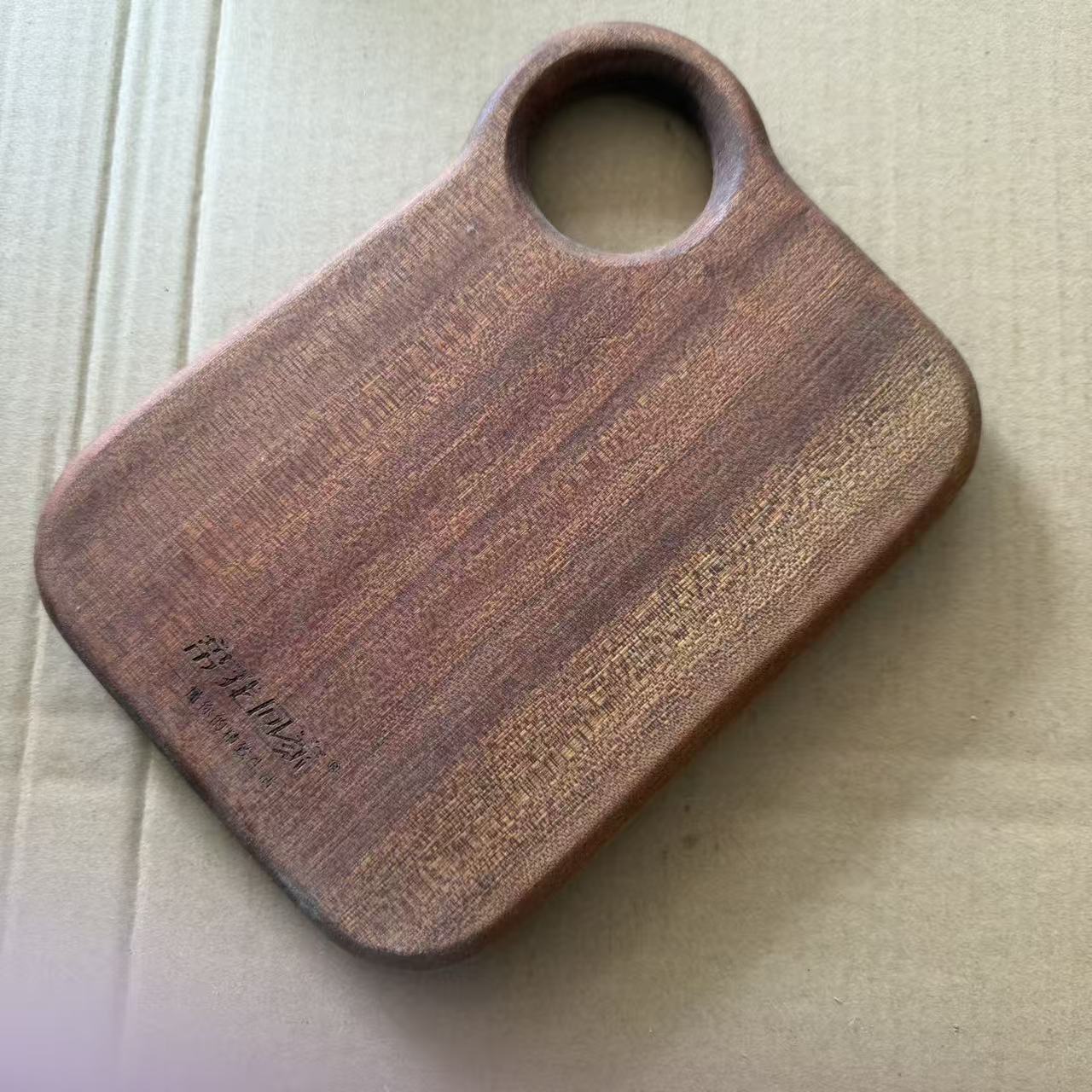
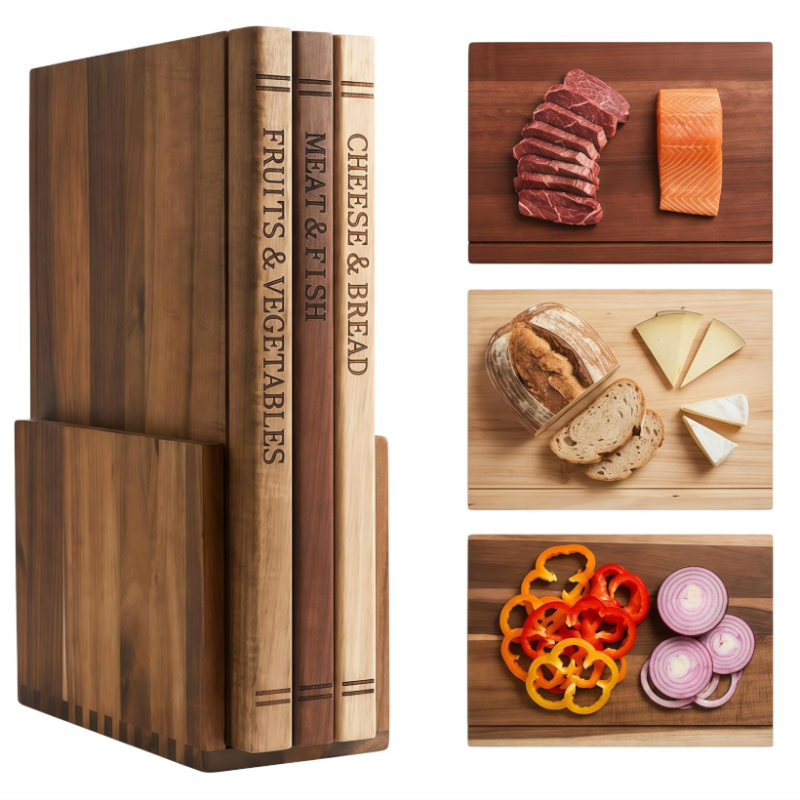
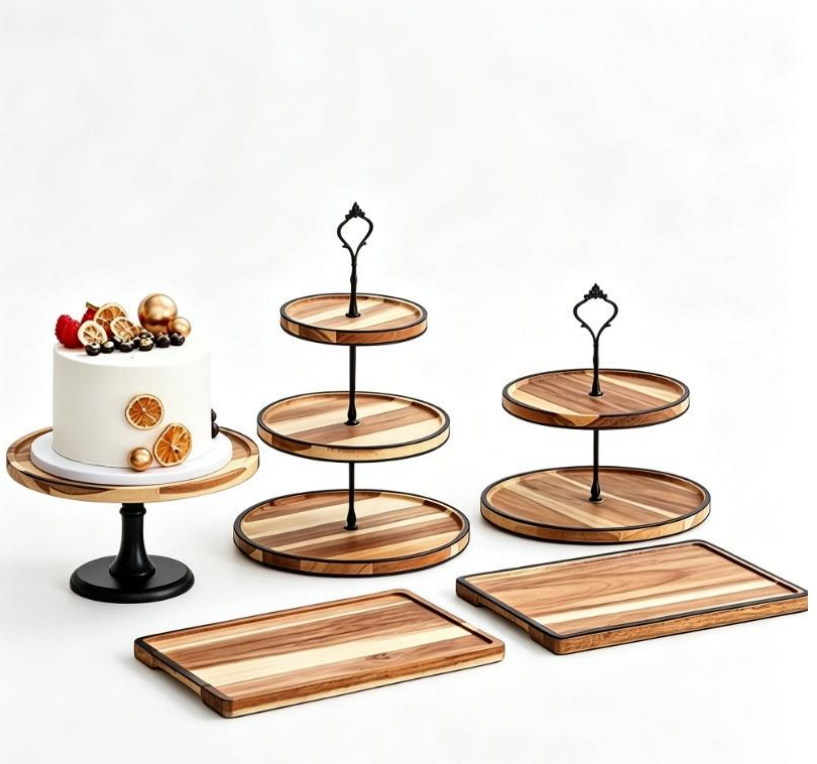
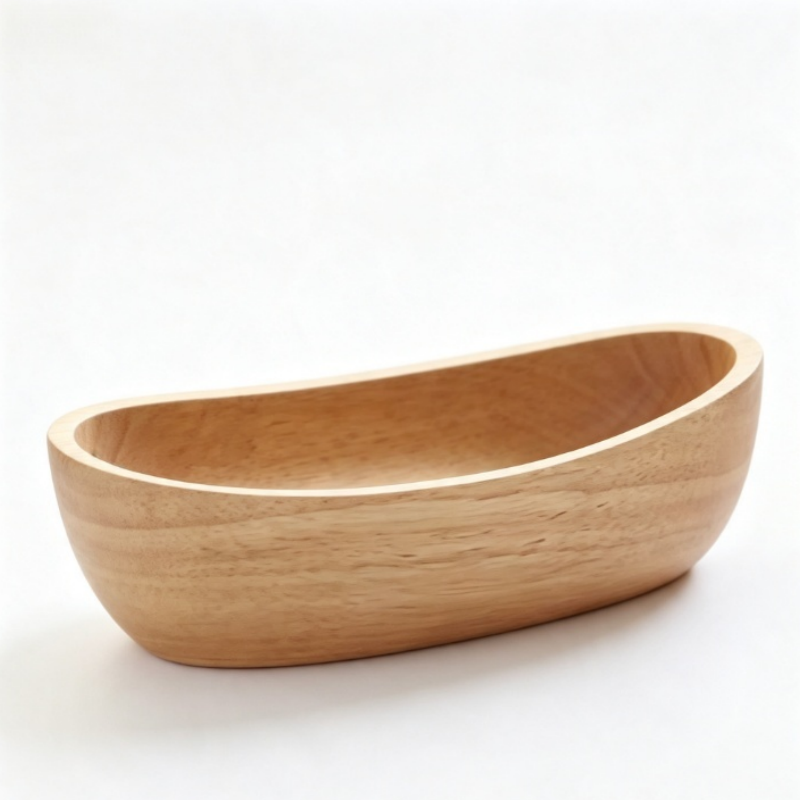
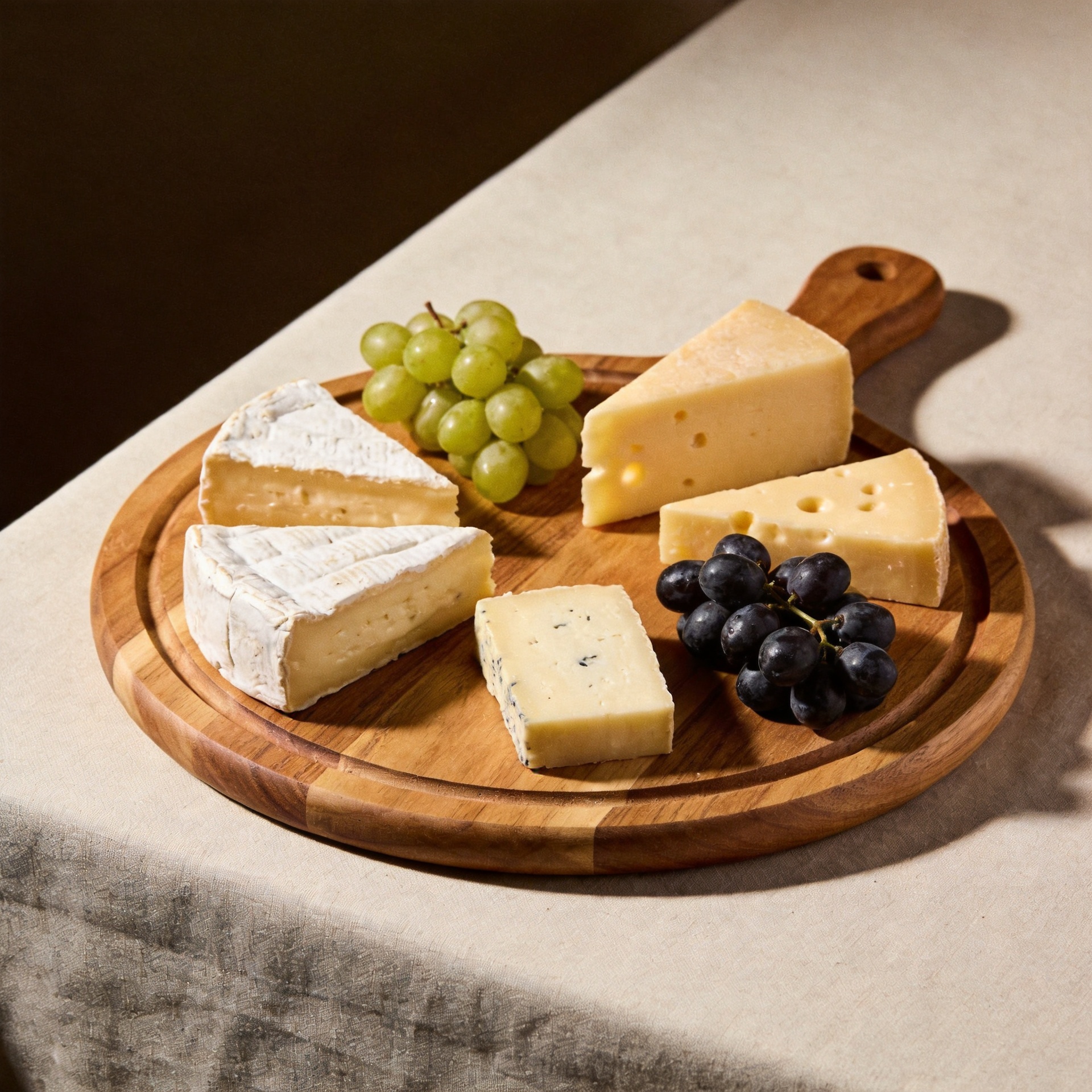
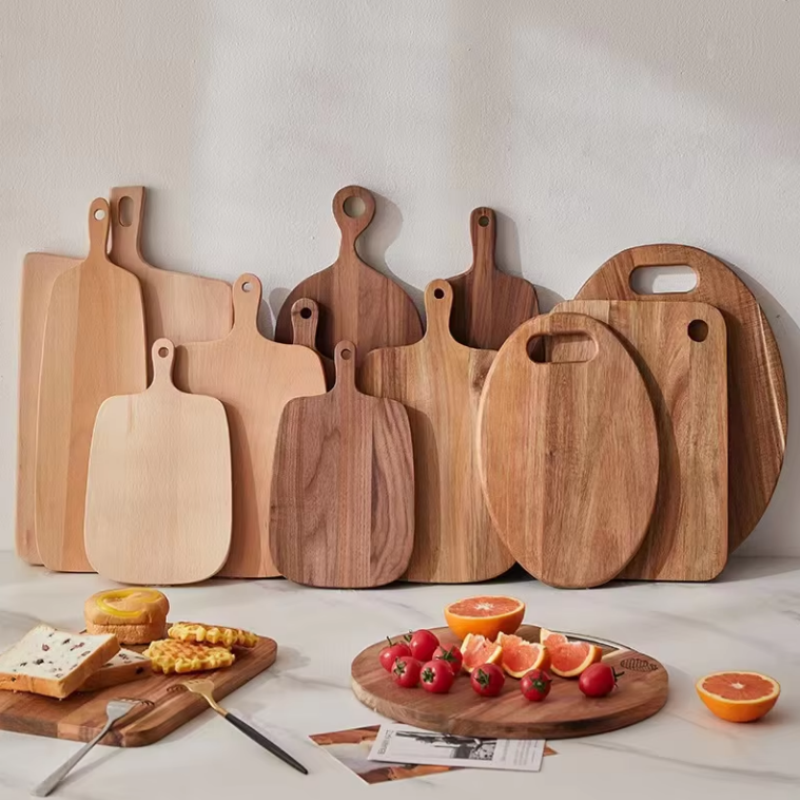
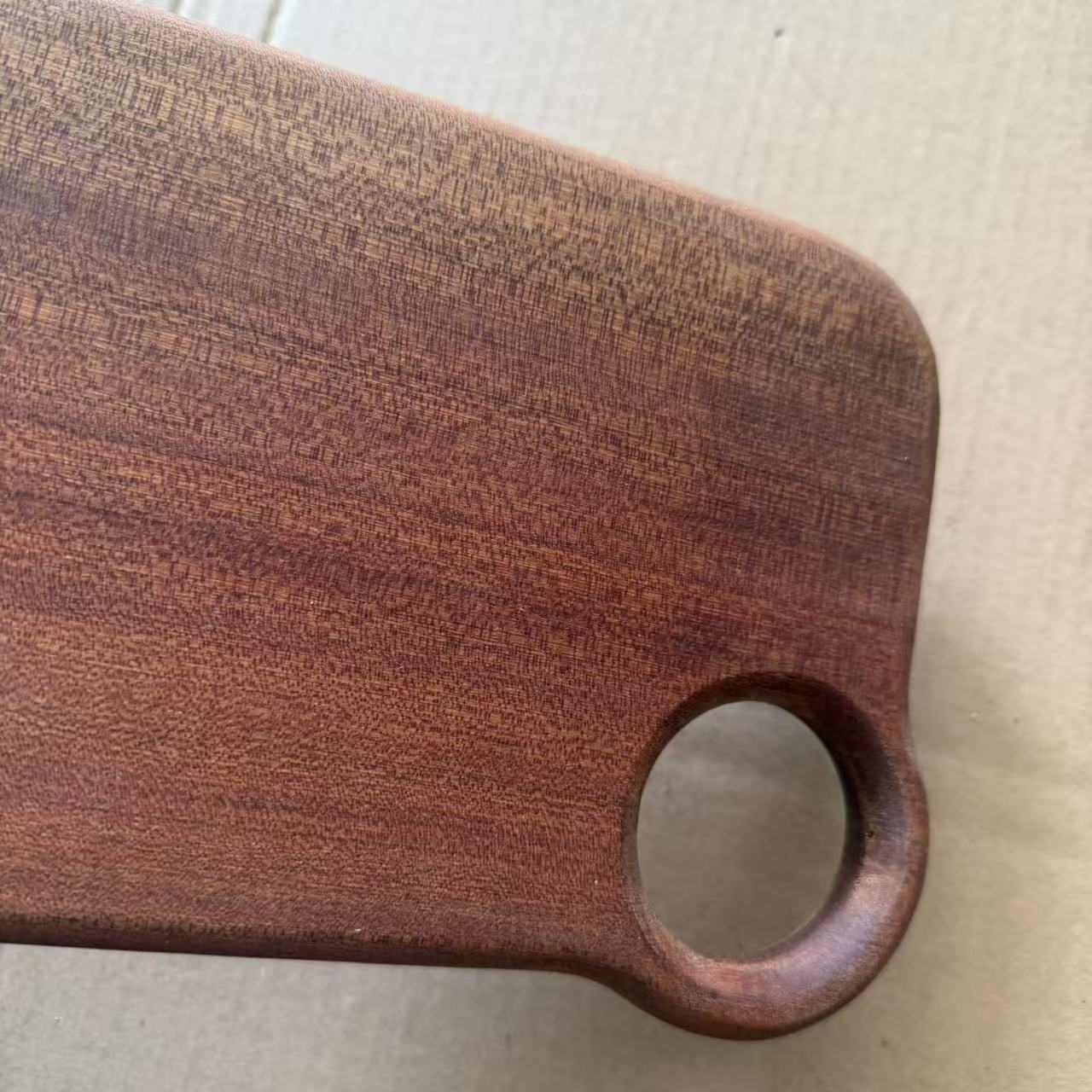
Woodenky supplies wooden chopping boards for kitchenware retailers, wholesalers, hospitality suppliers, and private-label brands. Natural wood grain creates a distinctive appearance, while carefully finished surfaces support everyday food preparation and serving. Buyers can explore different shapes, dimensions, wood species, and finishing options to suit their product positioning. Rectangular boards are practical for routine chopping, while round designs can complement serving collections and gift assortments. Depending on the selected model, customization may include handles, juice grooves, logo placement, and retail packaging. For bulk purchasing, confirming samples, material specifications, and inspection requirements helps maintain clear expectations and supports a consistent product offering across different sales channels.
Get A Quote

Case Study

Retail Kitchenware and Home Goods

A homeware retailer wanted to expand its kitchen accessories collection with wooden chopping boards that combined practical functionality and natural aesthetics. The product range needed several sizes to appeal to customers with different kitchen layouts and cooking habits. The purchasing team compared wood appearance, board thickness, edge finishing, and packaging options before confirming its preferred specifications. A coordinated selection of compact, medium, and large boards provided flexibility for everyday cooking and gift purchases. This approach demonstrates how retailers can develop a balanced assortment without relying on a single design. Clear product specifications also help maintain consistency when replenishing inventory.

Customized Products for Private Labels

A kitchenware brand planned to introduce wooden chopping boards under its own label, focusing on understated design and practical everyday use. The development process considered suitable wood species, board dimensions, logo placement, and packaging presentation. Sample evaluation helped the team review surface smoothness, natural grain variation, and the overall appearance before approving production specifications. Different formats could support separate product categories, including food preparation, serving, and gifting. By documenting customization requirements early, the brand could align product development with its target customers and retail positioning. This structured approach helps buyers communicate expectations clearly and establish a more recognizable kitchenware collection.

Frequently Asked Questions

What customization options are available for wooden chopping boards?

Customization options may include board dimensions, shapes, wood species, surface finishes, logo placement, and packaging, depending on the selected model. Wholesale buyers should share their target market, estimated order quantity, and design requirements. Reviewing a sample before production helps confirm the appearance and specifications.
Suitable wood depends on the intended use, desired appearance, hardness, grain structure, and maintenance requirements. Acacia, walnut, and teak are examples of woods used for cutting boards. Buyers should confirm the actual material, construction, and care instructions for each model before selecting products for their market.
Private-label options may include logo application and customized packaging, subject to product availability and production requirements. Buyers should prepare their logo artwork, preferred placement, packaging specifications, and quantity estimates. Sample approval before bulk production helps ensure that branding and product presentation meet expectations.
Clean the board promptly after use with a suitable cleaning method, and dry it thoroughly before storage. Avoid prolonged soaking and dishwasher exposure unless the manufacturer explicitly confirms suitability. Apply food-safe board oil when recommended, and replace boards with deep grooves or damage that cannot be cleaned effectively.
Wholesalers should review material specifications, dimensions, finishing quality, customization options, packaging, minimum order quantities, and lead times. Requesting samples and agreeing on inspection criteria helps clarify quality expectations. Buyers should also confirm labeling requirements and shipping arrangements before finalizing a commercial purchase.

Related article

How to Choose the Right Wooden Spatula for Different Cooking Tasks?

27

Oct

How to Choose the Right Wooden Spatula for Different Cooking Tasks?

Choose the right Wooden spatula by task, shape, wood, handle, and care needs for easier everyday cooking.
View More
What Features Should Buyers Consider in a Wooden Cheese Board?

27

Oct

What Features Should Buyers Consider in a Wooden Cheese Board?

Compare Wooden cheese board features buyers need: material, finish, serving design, food-contact checks, packaging, and quality control.
View More
What Is the Best Wood for a Wooden Chopping Board?

28

Oct

What Is the Best Wood for a Wooden Chopping Board?

Compare the best wood for a Wooden chopping board by durability, appearance, construction, and care needs for retail buying.
View More
Why Do Restaurants and Wineries Use Wooden Cheese Boards?

28

Oct

Why Do Restaurants and Wineries Use Wooden Cheese Boards?

Discover why restaurants and wineries choose a Wooden cheese board for polished presentation, efficient service, and memorable pairings.
View More

Customer Testimonials

Daniel Miller

We appreciated the smooth finishing and natural wood appearance of the chopping boards. The available design options helped us build a coordinated kitchenware collection for our retail customers.

Emma Wilson

The customization discussions helped us align board dimensions, branding, and packaging with our product range. Reviewing samples before production made our purchasing decisions more straightforward.

Get a Free Quote

Our representative will contact you soon.
0/1000
Carefully Considered Materials and Finishing

Carefully Considered Materials and Finishing

Material selection plays an important role in the appearance and everyday performance of a wooden chopping board. Different wood species offer distinct grain patterns, colors, weights, and hardness characteristics, so buyers should evaluate each option according to the intended application. Surface sanding, edge finishing, and board thickness also influence the finished product's appearance and handling comfort. For example, a retailer targeting premium homeware customers may prioritize refined finishing and distinctive grain, while a general kitchenware distributor may focus on practical dimensions and straightforward maintenance. Requesting samples before production allows purchasing teams to review these details directly. Documenting material specifications and acceptable natural variations can further clarify quality expectations for bulk orders.
Custom Designs for Distinctive Brand Identity

Custom Designs for Distinctive Brand Identity

Customized wooden chopping boards help kitchenware brands develop products that reflect their market positioning and customer preferences. Depending on the selected model, buyers may explore different dimensions, shapes, wood finishes, logo placement, and packaging. A gift-focused collection might emphasize rounded edges and premium presentation, while an everyday cooking range may prioritize functional sizing and easy-to-understand care instructions. Customization should begin with a clear specification covering artwork, dimensions, materials, and packaging requirements. Reviewing a sample helps confirm that the proposed design matches the intended product concept before larger quantities are manufactured. This preparation supports more consistent product presentation and helps businesses coordinate their chopping boards with other kitchen accessories.