AR

Why Do Restaurants and Wineries Use Wooden Cheese Boards?
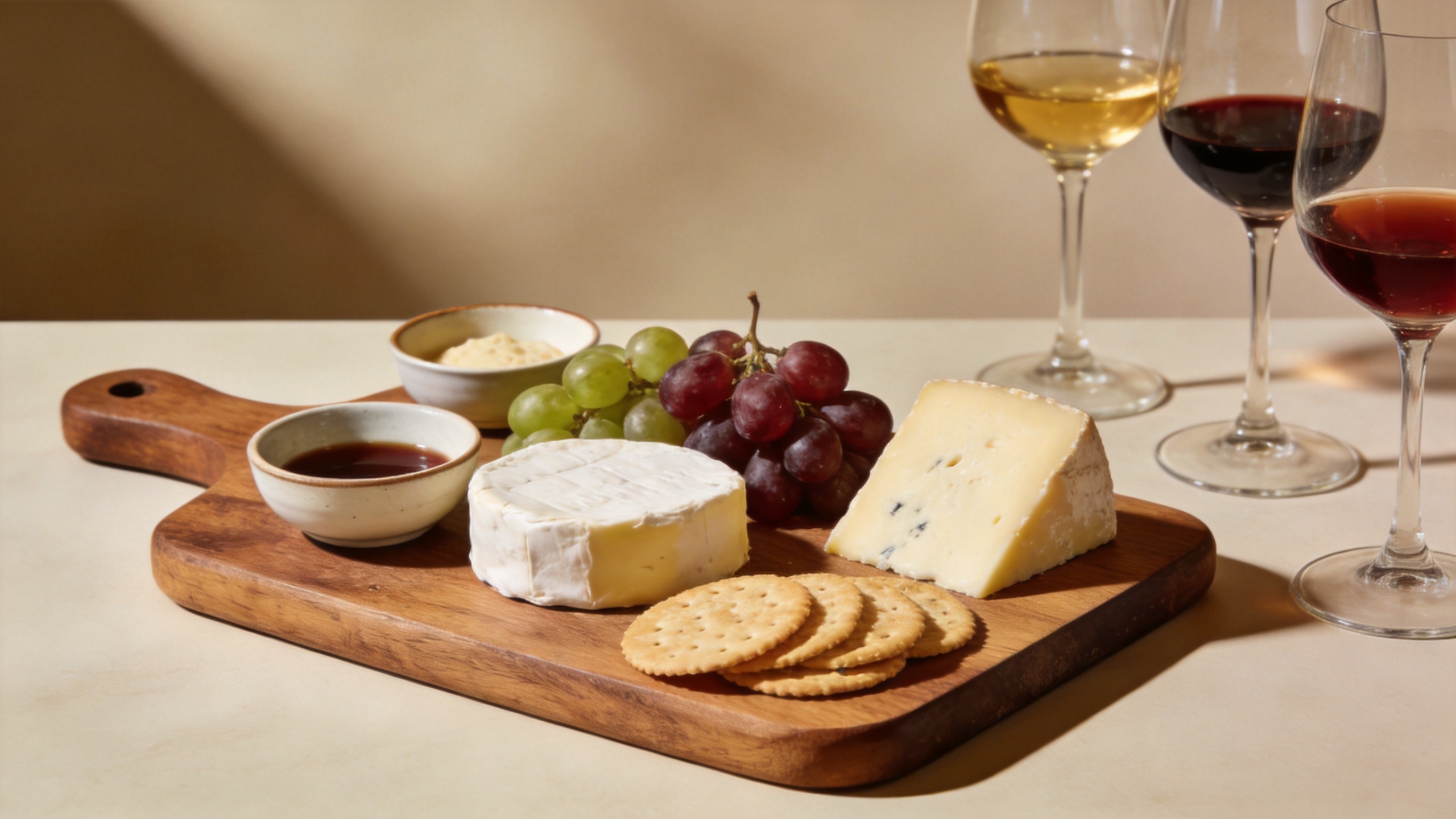
A Wooden cheese board does more than hold a few wedges of cheese. In restaurants, tasting rooms, and wine bars, it turns a small menu item into a composed course that guests can see, share, and remember. For buyers building a hospitality range, the appeal is practical as well as visual: the right board helps servers carry a presentation, helps chefs define portions, and gives the venue a warm material story without adding a complicated piece of equipment.
As a housewares buyer, I used to assess a Wooden cheese board mostly by how it appeared in a product photo. In service, though, the important questions are different: Does it sit steadily on the table? Can staff clear and care for it consistently? Does its size support the intended pour, garnish, and share pattern? Those questions explain why a well-specified board remains useful across wine serving accessories, casual dining, and premium charcuterie service.
A Wooden Cheese Board Makes Food Presentation Feel Intentional
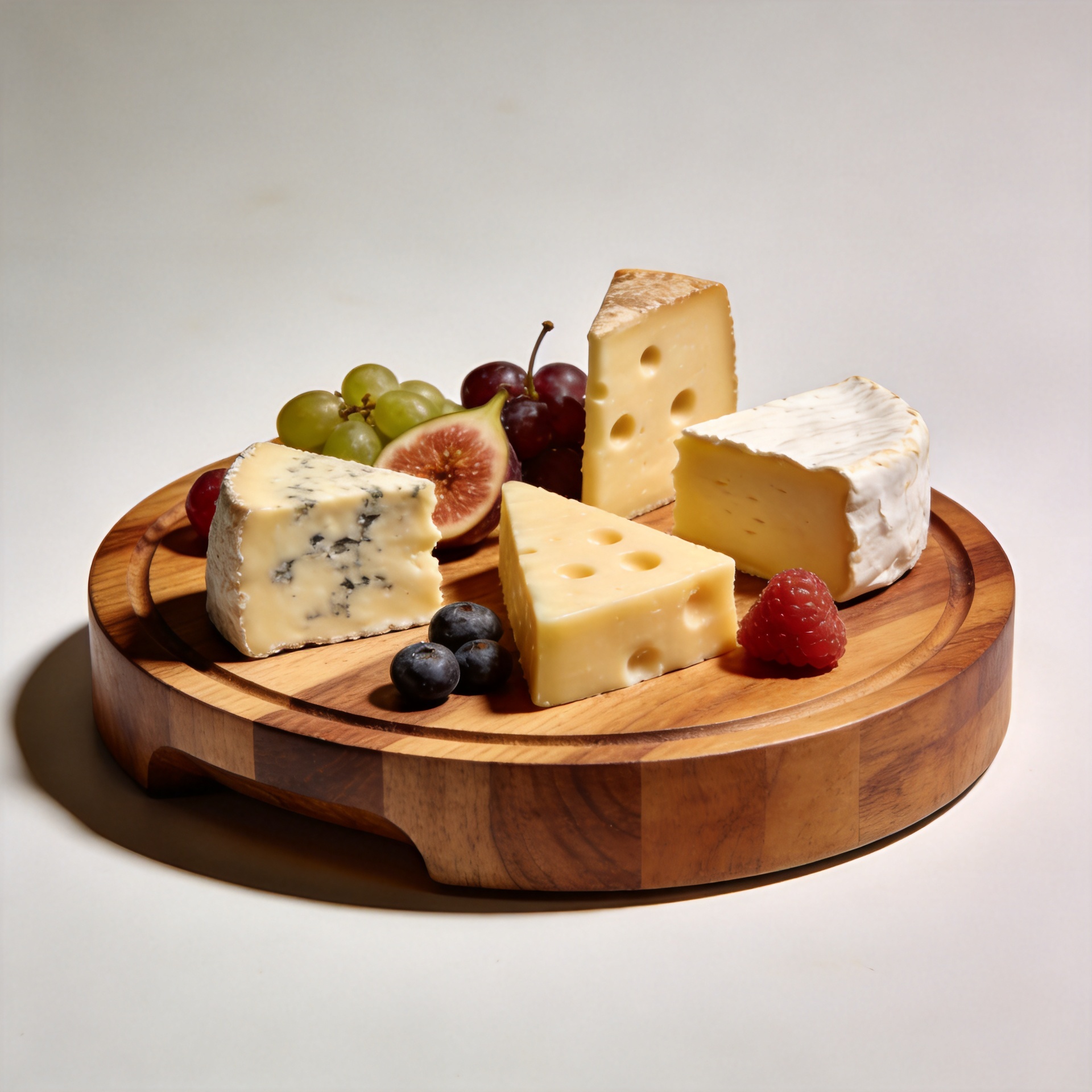
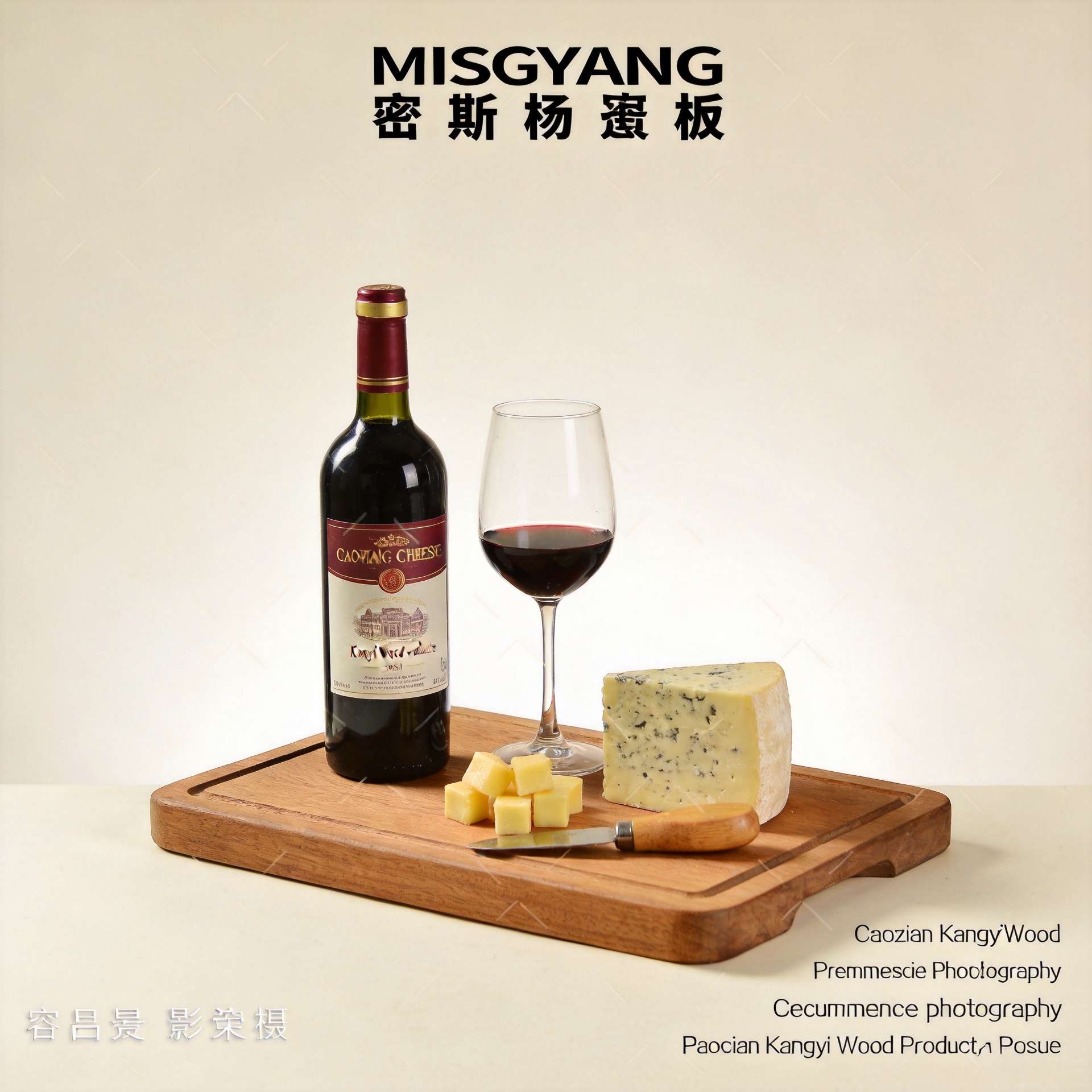
Cheese is often ordered because it invites conversation. A Wooden cheese board gives the kitchen a defined stage for that conversation. The contrast of pale cheese, fruit, cured meat, and bread against visible wood grain helps separate individual elements without relying on disposable liners or a crowded plate. That is a meaningful part of restaurant presentation: the board frames the portion and makes a compact course look considered.
Wood also brings visual warmth that fits wineries and hospitality spaces built around craft, local food, or relaxed entertaining. A board need not be rustic to work; a clean profile and a controlled finish can suit a modern tasting bar just as well. The material simply gives the service a less clinical feel than a plain tray, while leaving the food as the focal point.
It Supports Consistent Charcuterie Display
A repeatable charcuterie display is easier to execute when the serving surface has a clear working area. Chefs can establish a familiar arrangement for a single guest, a couple, or a table to share. The board becomes a visual boundary: soft cheeses, crackers, condiments, and garnishes stay grouped rather than drifting across a large plate.
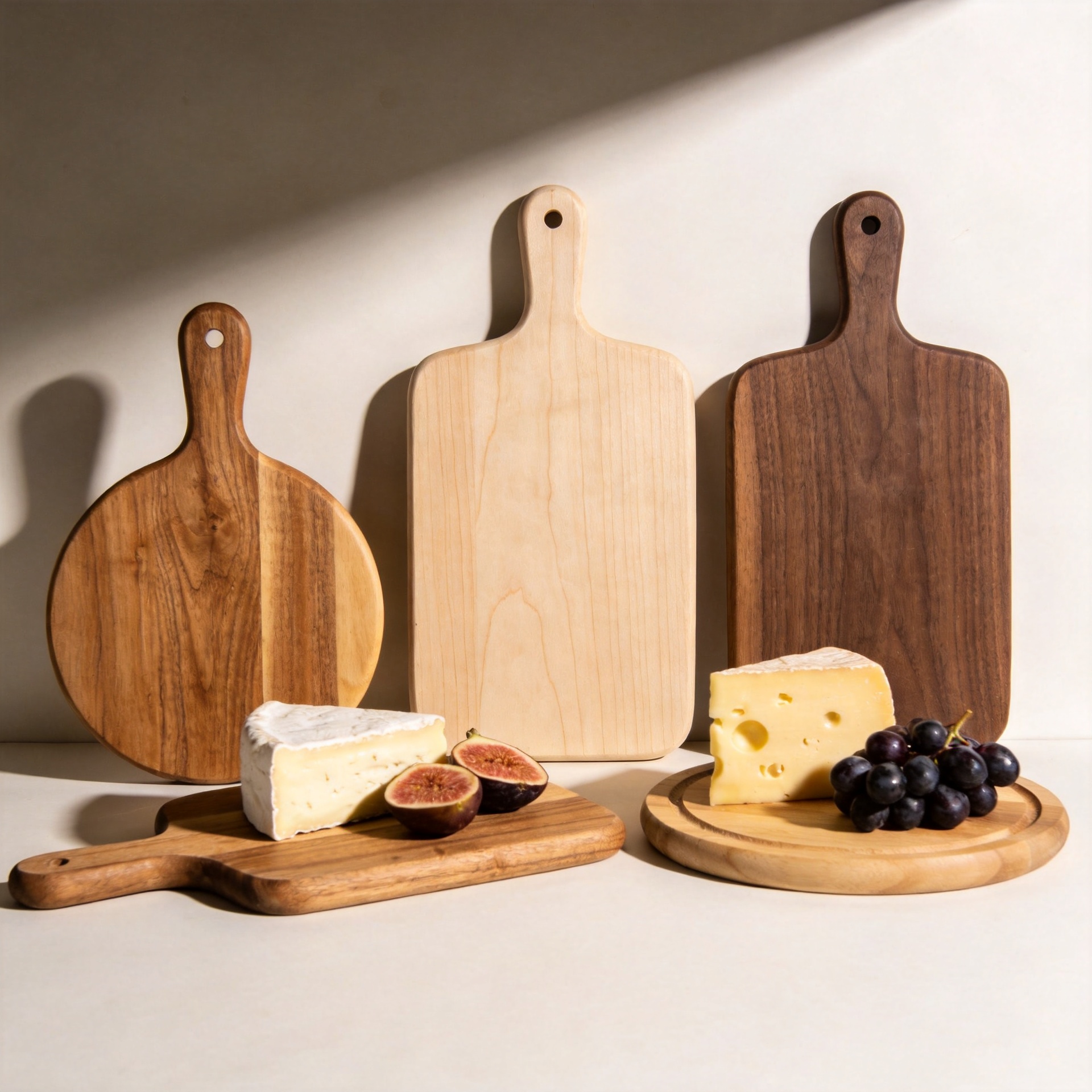
That consistency helps in busy service. A Wooden cheese board can be specified in a few purposeful sizes, allowing the kitchen to match the board to the menu price and expected cover count. It also gives staff a predictable pickup point when moving an assembled board from pass to table. For beverage-led venues, the board can visually connect a flight, a bottle, and accompanying bites without crowding the tabletop.
There is a useful commercial angle too. Guests often photograph a well-composed charcuterie display. The board is not the reason to order, but it can make a cheese offering easier to recognize in a dining room photo or winery post. That is one reason serving pieces are increasingly considered alongside other hospitality products, not only as back-of-house tools.
Service Teams Value a Surface That Is Easy to Handle
Restaurants do not choose a Wooden cheese board only for atmosphere. Weight, edge shape, thickness, and grip all affect how a server carries it. A board that feels substantial but is not awkward to lift can make a shareable course feel premium while remaining manageable during a busy seating. In this sense, a board belongs among functional wine serving accessories, even when it is presented as décor.
When evaluating a Wooden cheese board, buyers should look at the board as part of a workflow. Ask how it will be stacked, where it will dry, whether its footprint fits the pass, and how many boards the venue needs during a peak period. A good-looking sample is only a starting point. The finished item should make it easier, not slower, for staff to assemble, carry, clear, and reset a table.
Care and Food-Contact Decisions Still Matter
A wood serving surface requires a clear care routine. The USDA notes that wooden and plastic cutting boards can be cleaned and sanitized; its general guidance includes washing, rinsing, sanitizing with an appropriate solution, and drying. A Wooden cheese board used in a restaurant should therefore be assessed against the venue’s own food-safety program, local rules, and cleaning procedures rather than treated as maintenance-free.
That distinction matters: a Wooden cheese board used purely for finished, ready-to-eat presentation may be managed differently from a board used for raw-food preparation. Buyers should confirm the intended use with the operator, request applicable material and finish documentation, and establish replacement criteria for deeply scored, cracked, or difficult-to-clean surfaces. Periodic conditioning can help preserve the board’s integrity, but it does not replace proper cleaning and inspection.
Why It Works Especially Well for Wineries
At a winery, food is often paired with a story about the pour. A Wooden cheese board makes that pairing feel cohesive because it offers space for cheese, fruit, nuts, and small notes about a flight without turning the table into a buffet. The result is a slower, more shareable experience that encourages guests to compare flavors at their own pace.
For purchasing teams, a suitable Wooden cheese board range is often not the most elaborate one. It is a range with clear size logic, stable workmanship, repeatable finish expectations, and packaging suitable for the distribution route. Natural grain variation should be communicated honestly, especially where a venue wants a coordinated restaurant presentation across many tables.
What Hospitality Buyers Should Check Before Ordering
- Intended use: Confirm whether the Wooden cheese board is for finished food presentation, preparation, or both.
- Construction: Inspect flatness, edge finishing, stability, and the quality of any handles or attachments.
- Food-contact documentation: Request relevant information for the material and finish required in the destination market.
- Care communication: Give operators simple cleaning, drying, and inspection guidance.
- Assortment logic: Choose sizes that support single, shared, and tasting-flight service rather than duplicating near-identical formats.
The Bottom Line
Restaurants and wineries use a Wooden cheese board because it combines presentation with process. It helps turn cheese into a shareable visual experience, supports an organized charcuterie display, and can fit naturally within practical hospitality products and wine serving accessories. The value is strongest when the board is selected as a service tool: one with an appropriate size, finish, care plan, and quality standard for the venue that will use it.
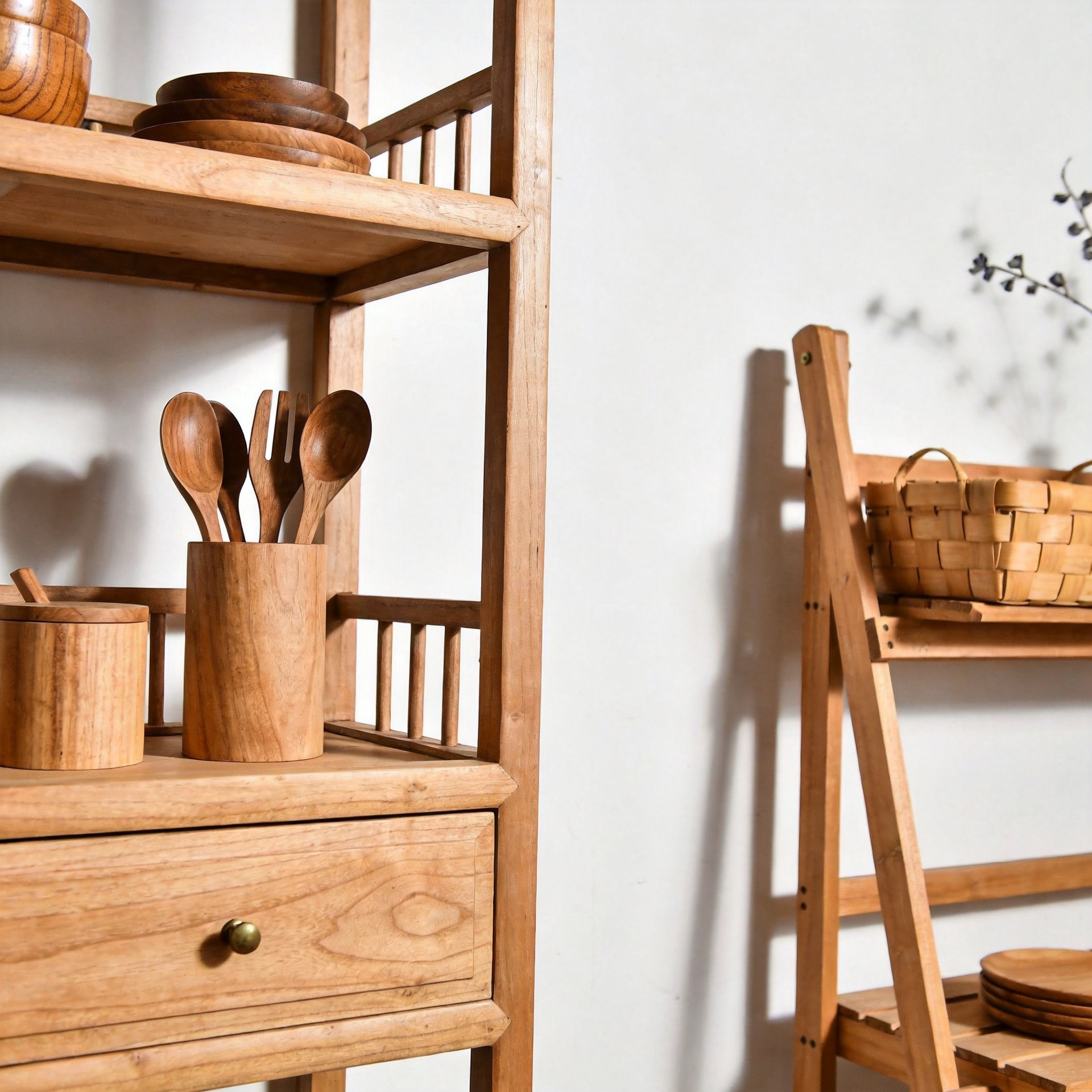
For supermarkets and trading companies developing wooden kitchenware assortments, that service perspective is worth carrying into product selection. Caoxian Kangyi Wood Products Co., Ltd. works across wooden kitchenware, storage racks, and furniture categories, giving B2B buyers a broader woodworking context to discuss when planning a coordinated hospitality or home-entertaining offer.