Wooden Kitchen Utensil Set: B2B Wholesale Guide

Welcome to our store!Black Friday Sale!

showlist/set-of-wooden-kitchen-utensils, showlist/set-of-wooden-kitchen-utensils, 
Inquiry
Inquiry
Customer Reviews of Wooden Kitchen Utensil Sets

Customer Reviews of Wooden Kitchen Utensil Sets

A set of wooden kitchen utensils brings essential cooking tools together in a coordinated collection designed for everyday meal preparation. Common assortments include spoons, spatulas, turners, and mixing tools, helping home cooks handle different ingredients with convenient, dedicated utensils. Wooden surfaces are suitable for many cookware applications when used according to the manufacturer's instructions, making them a practical option for kitchens with compatible nonstick cookware. Natural grain patterns also add warmth to kitchen displays and retail packaging. For wholesalers, distributors, and private-label brands, options such as wood species, utensil shapes, set quantities, and packaging support differentiated product lines. Consistent finishing and careful quality inspection help maintain a professional presentation across bulk orders.
Get A Quote

Case Study

Everyday Home Cooking Collections

Homeware retailers can offer wooden kitchen utensil sets to customers preparing everyday meals, from stirring sauces to turning vegetables and mixing ingredients. A coordinated assortment keeps frequently used tools together while creating a consistent appearance in kitchen drawers, utensil holders, or countertop displays. Sets with varied utensil shapes provide flexibility for different cooking tasks without requiring customers to purchase each item separately. Retail buyers can evaluate handle comfort, edge finishing, tool dimensions, and wood quality when comparing options. By selecting practical assortments and clear packaging, retailers can serve first-time homeowners, experienced home cooks, and customers refreshing their kitchen essentials.

Private-Label Kitchenware and Gift Assortments

A set of wooden kitchen utensils can strengthen private-label kitchenware collections through coordinated design and customizable presentation. Importers may explore different wood species, utensil combinations, logo placement, and packaging formats according to manufacturing capabilities and order quantities. For example, a compact collection can suit introductory cookware bundles, while a larger assortment may appeal to customers seeking a comprehensive cooking gift. Buyers should assess finish consistency, smooth surfaces, packaging protection, and product labeling before approving samples. Well-organized product specifications help align expectations between suppliers and retailers, supporting consistent merchandising across online stores, specialty kitchen shops, seasonal gift promotions, and broader homeware distribution channels.

Restaurants and Culinary Supply Programs

Culinary suppliers may consider wooden utensils for suitable food preparation tasks in commercial kitchens, cooking studios, and hospitality environments. Spoons and spatulas can support mixing, stirring, and serving applications when their construction and care requirements match the intended use. For bulk purchasing, buyers should assess durability, handle design, dimensions, cleaning instructions, and applicable food-contact requirements. Different assortments can address varying operational needs, while consistent specifications simplify purchasing and inventory planning. Wooden utensils are not automatically suitable for every commercial sanitation process, so intended use and maintenance procedures should be confirmed before selection. This practical approach helps suppliers match product features with customer expectations.

A set of wooden kitchen utensils combines traditional material appeal with practical tools for daily food preparation. Depending on the assortment, products may include cooking spoons, slotted spoons, spatulas, turners, and mixing utensils in complementary shapes and sizes. Wood species, grain structure, handle proportions, and surface finishing influence the appearance and handling characteristics of each piece. For B2B buyers, product development may involve customized utensil combinations, dimensions, finishes, logo placement, and retail packaging, subject to manufacturing capabilities and minimum order requirements. Quality checks should examine smooth surfaces, rounded edges where appropriate, consistent dimensions, and the absence of visible defects that could affect usability. Buyers should also confirm whether the finish is suitable for the intended food-contact application and review the recommended cleaning and drying procedures. Wooden utensils generally require hand washing and thorough drying unless the manufacturer specifies otherwise. Retailers, importers, and distributors can build cohesive kitchenware collections by pairing utensil sets with wooden cutting boards, trays, and storage accessories.

Frequently Asked Questions

What utensils are commonly included in a wooden kitchen utensil set?

Common assortments include cooking spoons, spatulas, slotted spoons, turners, and mixing tools. The exact selection depends on the product configuration. Buyers should review item quantities, dimensions, shapes, and intended applications to ensure the set meets customer preferences and complements the cookware available in their target market.
Customization may include wood species, utensil shapes, set quantities, surface finishes, logo placement, and packaging. Available options depend on manufacturing capabilities and order volume. Buyers should confirm minimum order quantities, sample approval procedures, production schedules, and branding specifications before placing bulk orders.
Wooden utensils are often suitable for compatible nonstick cookware because they generally have softer contact surfaces than metal tools. However, users should follow the cookware manufacturer's guidance and inspect utensils for rough edges, splinters, or damage. Proper care helps maintain both utensil condition and cookware performance.
Wash wooden utensils by hand using mild detergent and warm water, then dry them thoroughly before storage. Avoid prolonged soaking and follow the manufacturer's instructions regarding finishes and maintenance. Proper drying and storage in a clean, ventilated location help reduce moisture-related deterioration and extend product service life.
Importers should review wood quality, smoothness, dimensions, finish consistency, assortment details, packaging, and applicable food-contact requirements. Requesting samples helps verify workmanship before production. Buyers should also agree on order quantities, inspection standards, labeling, lead times, and shipping arrangements to reduce uncertainty during bulk purchasing.

Related article

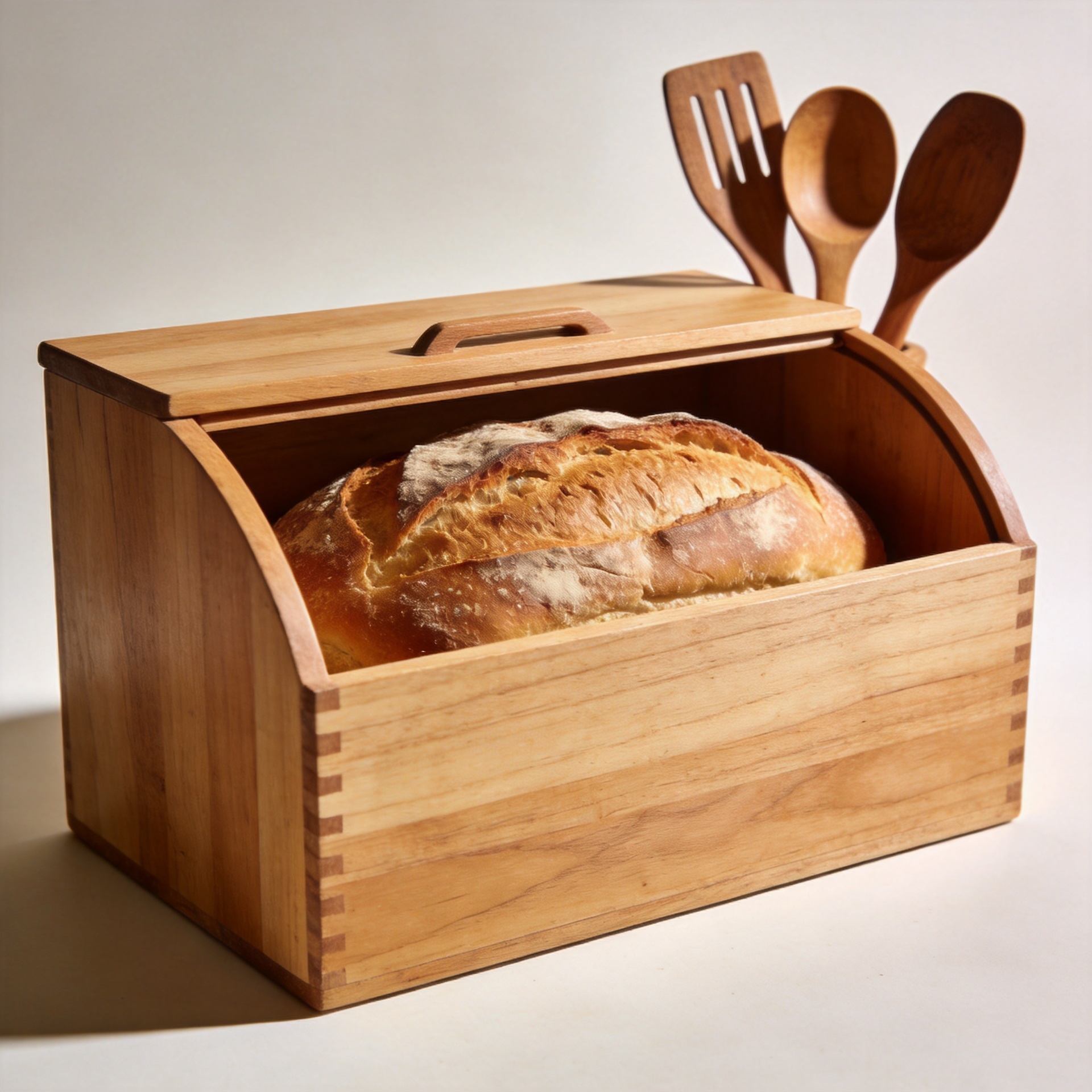
How to Keep Bread Fresh in a Wooden Bread Storage Box?

27

Oct

How to Keep Bread Fresh in a Wooden Bread Storage Box?

Keep loaves fresher with a wooden bread storage box: practical airflow, placement, cleaning, and freezing tips for every bread type.
View More
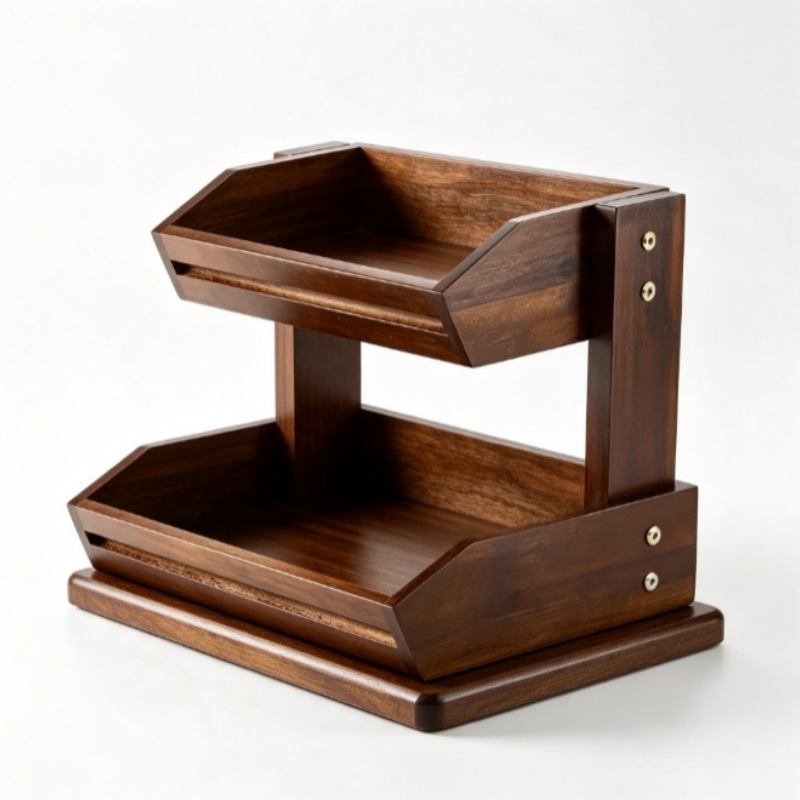
What Is a Wooden Storage Rack Used For?

28

Oct

What Is a Wooden Storage Rack Used For?

Discover what a wooden storage rack is used for, from everyday organization to display, plus practical selection guidance.
View More
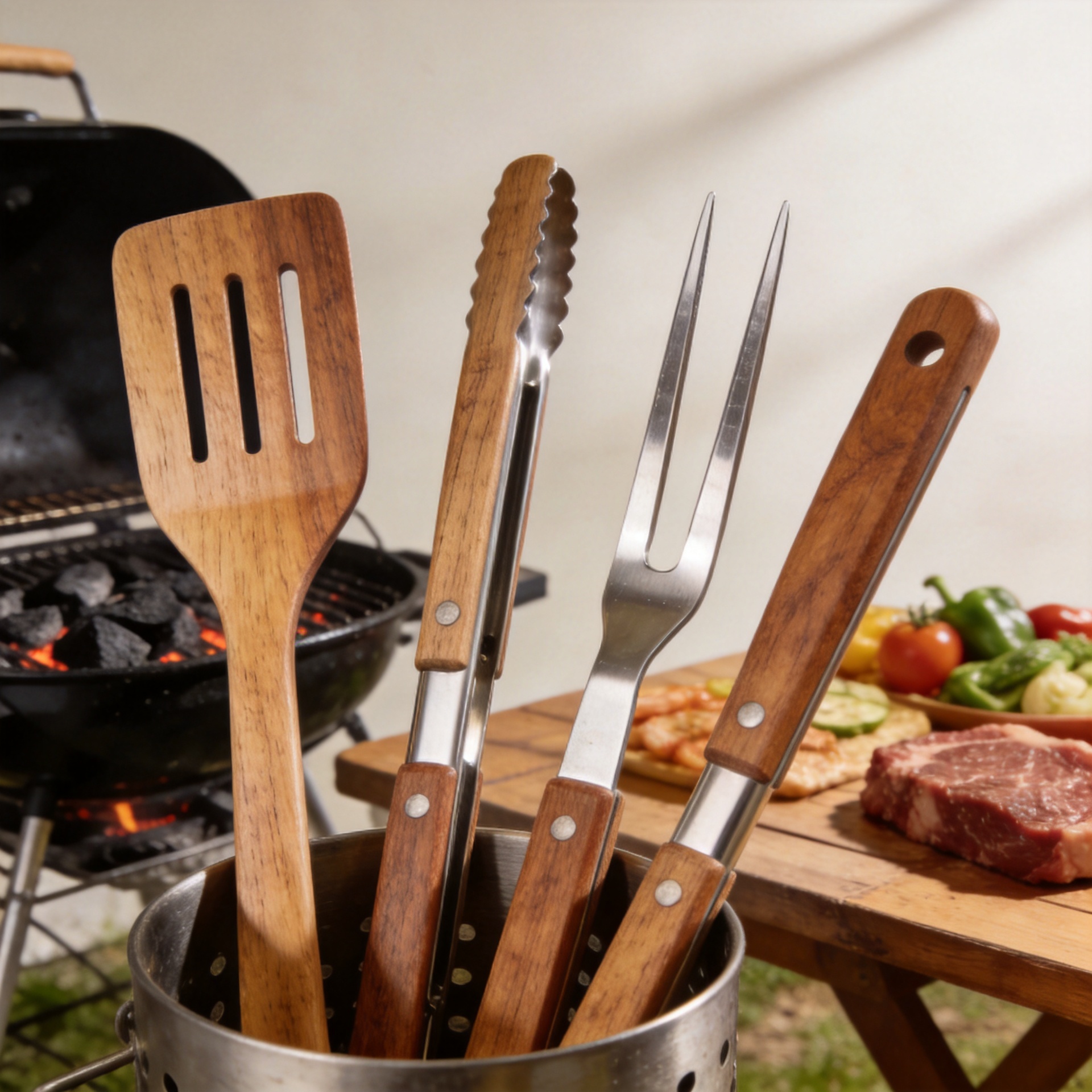
How to Choose Wooden Barbecue Tools for Outdoor Cooking?

28

Oct

How to Choose Wooden Barbecue Tools for Outdoor Cooking?

Choose wooden barbecue tools with a practical buyer checklist for materials, construction, care, safety, and outdoor use.
View More
Why Do Restaurants and Wineries Use Wooden Cheese Boards?

28

Oct

Why Do Restaurants and Wineries Use Wooden Cheese Boards?

Discover why restaurants and wineries choose a Wooden cheese board for polished presentation, efficient service, and memorable pairings.
View More

Customer Testimonials

James Miller

Our kitchenware collection benefits from coordinated wooden utensils that offer natural styling and everyday versatility. Customers appreciate the comfortable handling and attractive presentation.

Emily Carter

The wooden utensil sets complement cookware and kitchen accessories beautifully. Their coordinated appearance and practical assortment make them suitable for home cooking and gift collections.

Get a Free Quote

Our representative will contact you soon.
0/1000
Natural Wood Craftsmanship and Comfortable Handling

Natural Wood Craftsmanship and Comfortable Handling

Wooden kitchen utensils offer a natural appearance that complements a wide range of cookware styles, from traditional kitchens to contemporary culinary spaces. Carefully finished handles and smooth working surfaces contribute to a comfortable cooking experience, while variations in wood grain give each collection its own visual character. Retailers can select coordinated spoons, spatulas, and turners to create an assortment that balances appearance with everyday functionality. During sample evaluation, buyers should check handle proportions, surface smoothness, edge quality, and finish consistency. These details help establish a clear quality standard for private-label collections and support a polished presentation across kitchenware displays, online product listings, and wholesale catalogs.
Versatile Assortments for Multiple Cooking Tasks

Versatile Assortments for Multiple Cooking Tasks

A well-planned wooden utensil set provides tools for common kitchen activities, including stirring, mixing, turning, and serving suitable foods. Different utensil shapes allow users to choose the appropriate tool for each task, while coordinated designs create a more organized kitchen setup. Buyers can compare compact assortments for everyday household cooking with larger collections offering additional specialized shapes. For wholesale programs, clearly defined product configurations make it easier to communicate set contents and compare purchasing options. Compatibility with intended cookware, appropriate cleaning guidance, and careful finishing should remain key selection criteria. These practical features help retailers explain product value and develop kitchenware collections for different customer requirements.