Acacia Wood Cooking Utensils: Premium B2B Wholesale Guide

Welcome to our store!Black Friday Sale!

showlist/acacia-wood-cooking-utensils, showlist/acacia-wood-cooking-utensils, 
Inquiry
Inquiry
Customer Experiences with Acacia Wood Cooking Utensils

Customer Experiences with Acacia Wood Cooking Utensils

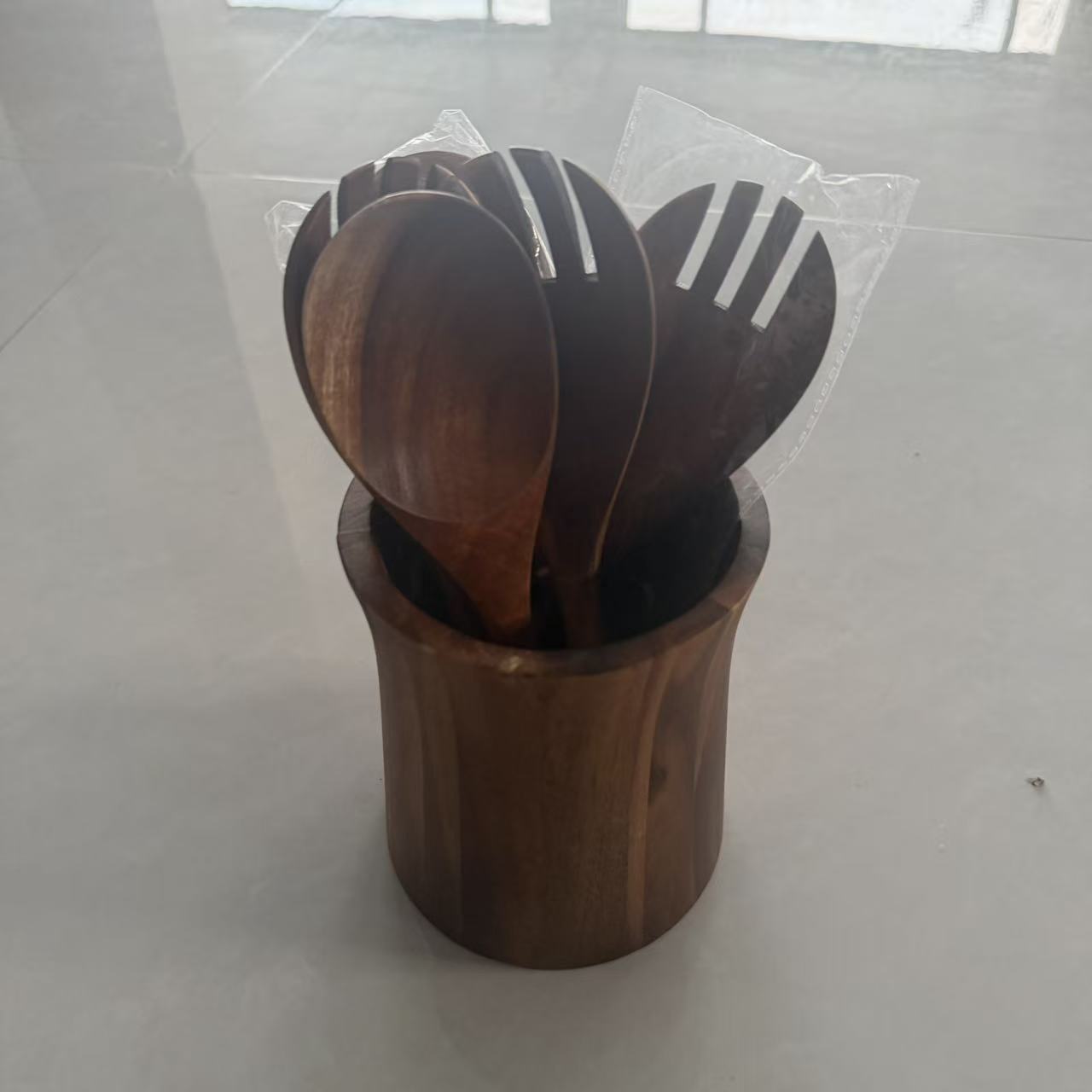
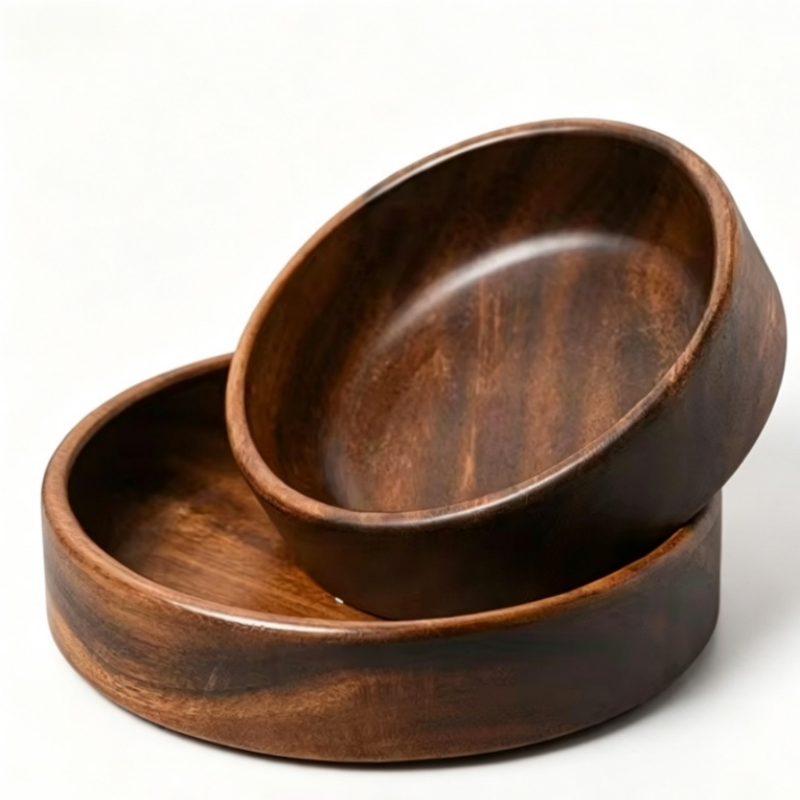
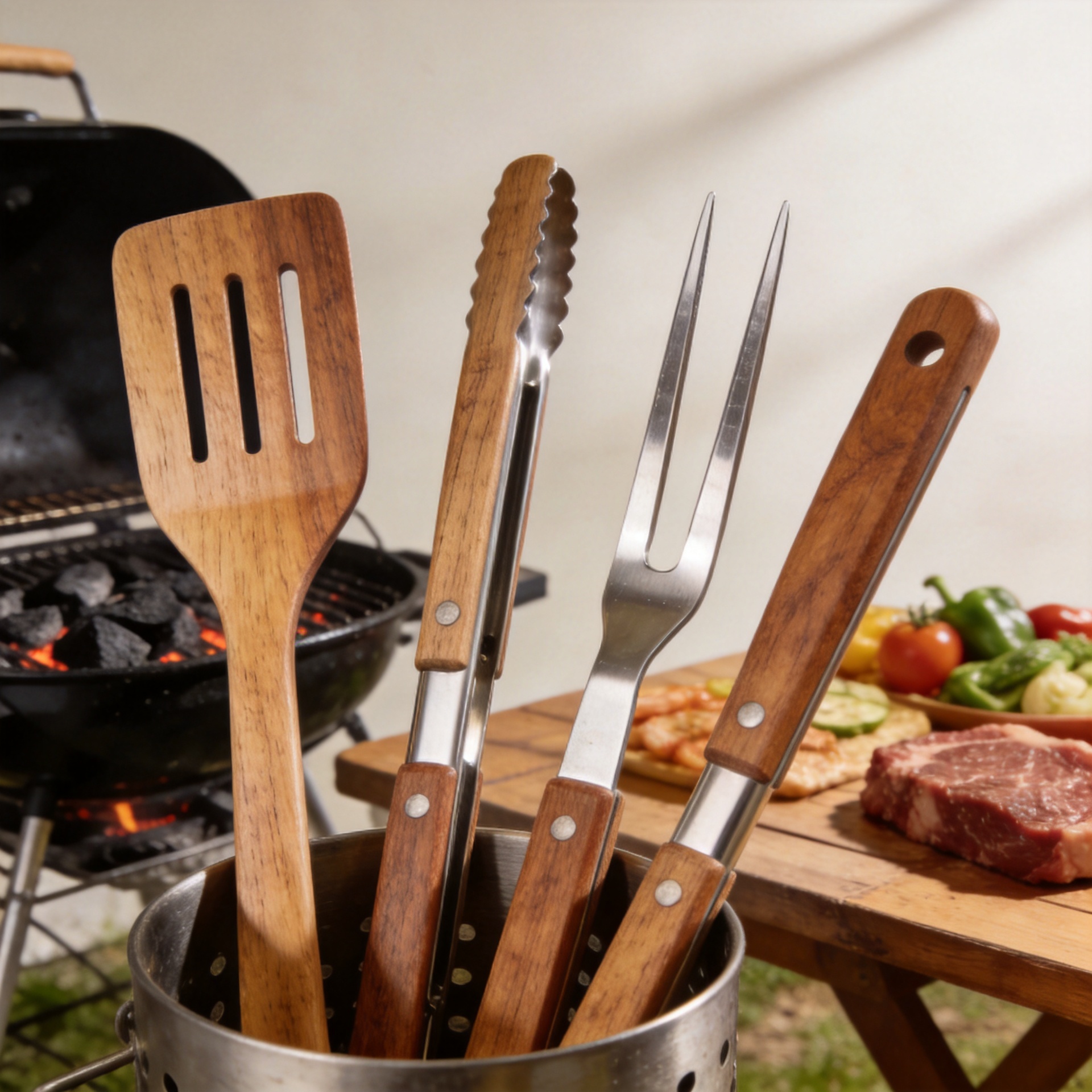
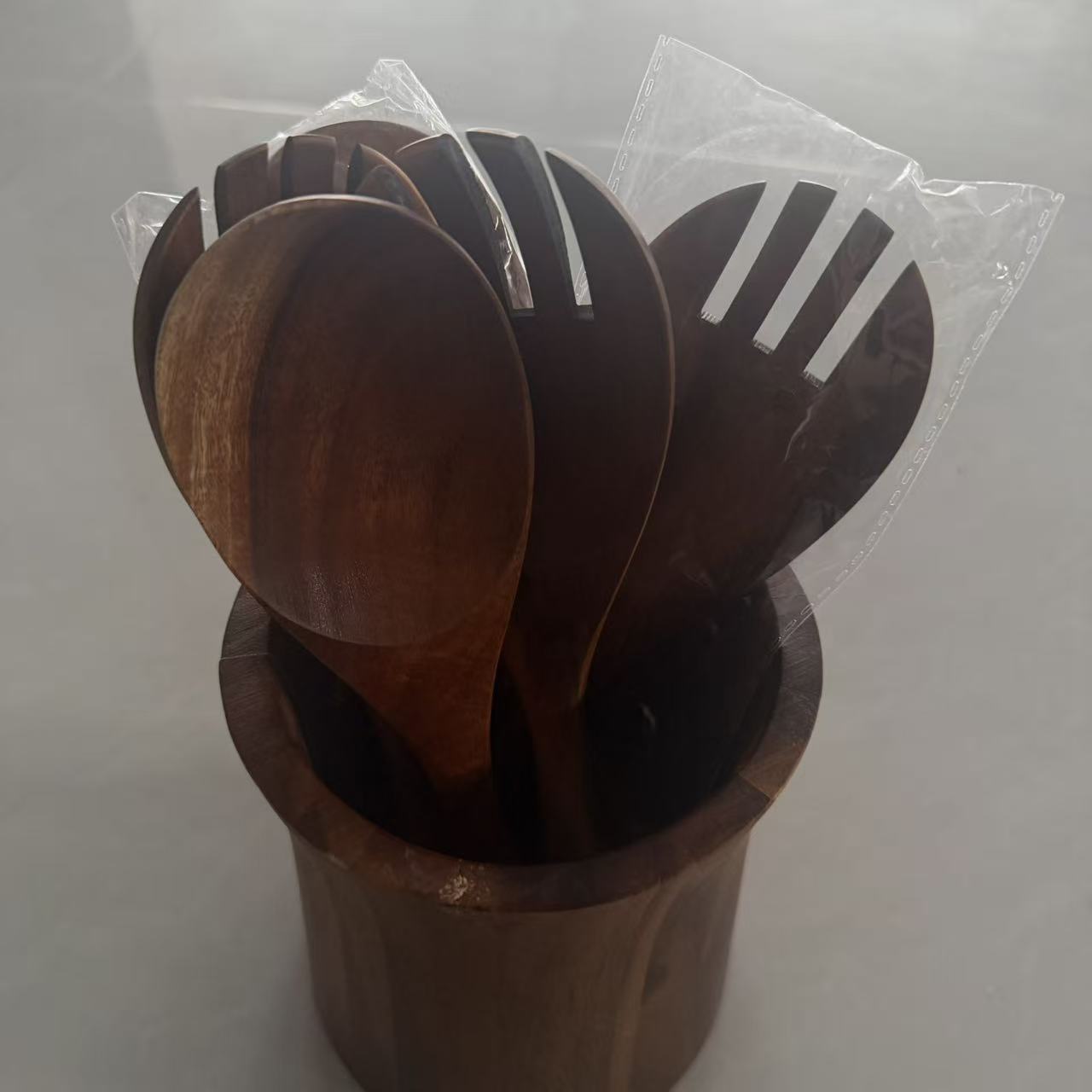
Acacia wood cooking utensils combine distinctive grain patterns with practical designs for everyday food preparation. Suitable for stirring sauces, mixing ingredients, and serving dishes, they appeal to kitchenware retailers, homeware brands, and private-label distributors. Acacia is valued for its attractive appearance and useful durability, although performance varies with wood selection, construction, and finishing. Kangyi Wood Products supports customized utensil shapes, handle dimensions, surface treatments, and packaging to suit different market requirements. Buyers can coordinate spoons, spatulas, and other tools into a unified collection that complements cutting boards and serving accessories. Sample evaluation and clearly defined specifications help confirm finish quality, dimensions, and suitability before bulk production.
Get A Quote

Case Study

Premium Kitchenware Collections for Homeware Retailers

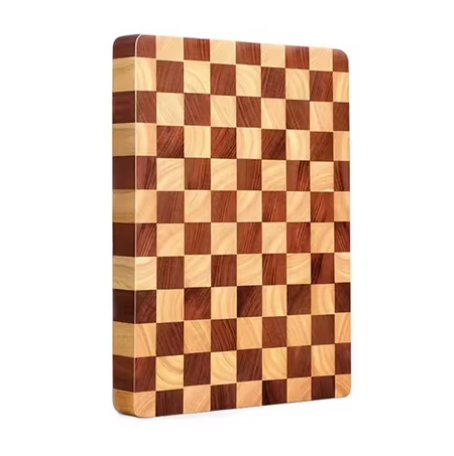
A homeware retailer wanted cooking utensils that complemented its existing wooden cutting boards and serving products. Acacia wood offered distinctive natural grain patterns, helping create a coordinated collection with a warm, premium appearance. The retailer selected matching spoon and spatula designs to simplify product merchandising and support bundled kitchenware offerings. For similar projects, buyers can specify utensil dimensions, handle profiles, surface finishes, and retail packaging. Reviewing samples before production helps verify color variation, smoothness, and consistency across the range. Because natural wood grain differs between pieces, agreed appearance standards should allow for reasonable variation while maintaining the collection's overall visual identity.

Private-Label Cooking Tools for Online Stores

An online kitchenware brand planned to introduce a differentiated cooking utensil range for customers seeking natural materials and coordinated designs. Acacia wood utensils provided an attractive option for product listings featuring spoons, spatulas, and complementary accessories. The brand focused on clear product photography, consistent dimensions, and informative descriptions covering intended uses and maintenance. Buyers can customize selected shapes, finishes, and packaging to align with their positioning. Before launching, the team should inspect samples for smooth edges, secure construction, and finish consistency. Accurate descriptions of wood characteristics and care requirements help customers understand the product and establish realistic expectations about appearance, maintenance, and long-term use.

Kangyi Wood Products supplies wooden kitchenware for international buyers developing retail collections, private-label products, and wholesale assortments. Acacia wood cooking utensils are valued for their distinctive grain, natural color variation, and versatility in everyday food preparation. Depending on the design, a collection may include cooking spoons, slotted spatulas, turners, and mixing tools for different kitchen tasks. Manufacturing quality depends on suitable timber selection, accurate shaping, careful sanding, and appropriate surface finishing. Each specification should address dimensions, handle comfort, edge smoothness, and finish consistency. Because acacia is a natural material, individual pieces may differ slightly in grain and color. Buyers should establish acceptable variation levels before approving samples and mass production. Customization can include utensil profiles, product combinations, surface treatments, branding, and packaging. Retailers may develop coordinated sets for kitchenware displays, while distributors can select configurations suited to their target markets. For responsible procurement, confirm the wood species, food-contact suitability, applicable compliance documentation, and recommended care instructions. Kangyi works with buyers to clarify product requirements and review samples, helping align the finished utensils with commercial expectations and intended applications.

Frequently Asked Questions

What makes acacia wood suitable for cooking utensils?

Acacia wood is valued for its attractive grain, natural color variations, and useful durability. It can be shaped into spoons, spatulas, and other cooking tools for everyday preparation. Actual performance depends on timber quality, construction, finishing, and appropriate cleaning and maintenance.
Yes, customization requirements can be discussed for utensil shapes, dimensions, surface finishes, coordinated sets, branding, and packaging. Wholesale buyers should share their target market, preferred specifications, and estimated quantities. Reviewing samples before production helps confirm appearance, dimensions, and quality expectations.
Wooden utensils are generally less abrasive than metal tools and are commonly used with nonstick cookware. However, suitability depends on the utensil's condition and finish. Choose smooth, undamaged tools and follow the cookware manufacturer's guidance to help protect the cooking surface.
Wash wooden utensils by hand using mild detergent and warm water, then dry them thoroughly. Avoid prolonged soaking and generally avoid dishwashers unless the manufacturer confirms suitability. Follow the supplied care instructions, inspect regularly for cracks or splinters, and replace damaged utensils.
Importers should confirm wood species, product dimensions, finishing, minimum order quantities, packaging, lead times, and shipping arrangements. Request samples and relevant food-contact documentation before approving production. Written specifications and agreed inspection standards help maintain consistency across initial and repeat orders.

Related article

What Is the Best Wood for a Wooden Bowl?

27

Oct

What Is the Best Wood for a Wooden Bowl?

Find the best wood for a wooden bowl by comparing acacia, maple, walnut, cherry, durability, finish, and everyday care.
View More
How to Keep Bread Fresh in a Wooden Bread Storage Box?

27

Oct

How to Keep Bread Fresh in a Wooden Bread Storage Box?

Keep loaves fresher with a wooden bread storage box: practical airflow, placement, cleaning, and freezing tips for every bread type.
View More
What Is a Wooden Storage Rack Used For?

28

Oct

What Is a Wooden Storage Rack Used For?

Discover what a wooden storage rack is used for, from everyday organization to display, plus practical selection guidance.
View More
How to Choose Wooden Barbecue Tools for Outdoor Cooking?

28

Oct

How to Choose Wooden Barbecue Tools for Outdoor Cooking?

Choose wooden barbecue tools with a practical buyer checklist for materials, construction, care, safety, and outdoor use.
View More

Customer Testimonials

Emily Carter

Our customers appreciate the rich grain and coordinated appearance of the acacia wood utensils. The collection complements wooden cutting boards and serving accessories, helping us build a cohesive kitchenware range.

Daniel Brooks

The acacia wood utensils added a natural look to our private-label collection. Consistent shapes and carefully finished surfaces helped create a polished presentation for our online kitchenware store.

Get a Free Quote

Our representative will contact you soon.
0/1000
Distinctive Acacia Grain for Premium Kitchenware

Distinctive Acacia Grain for Premium Kitchenware

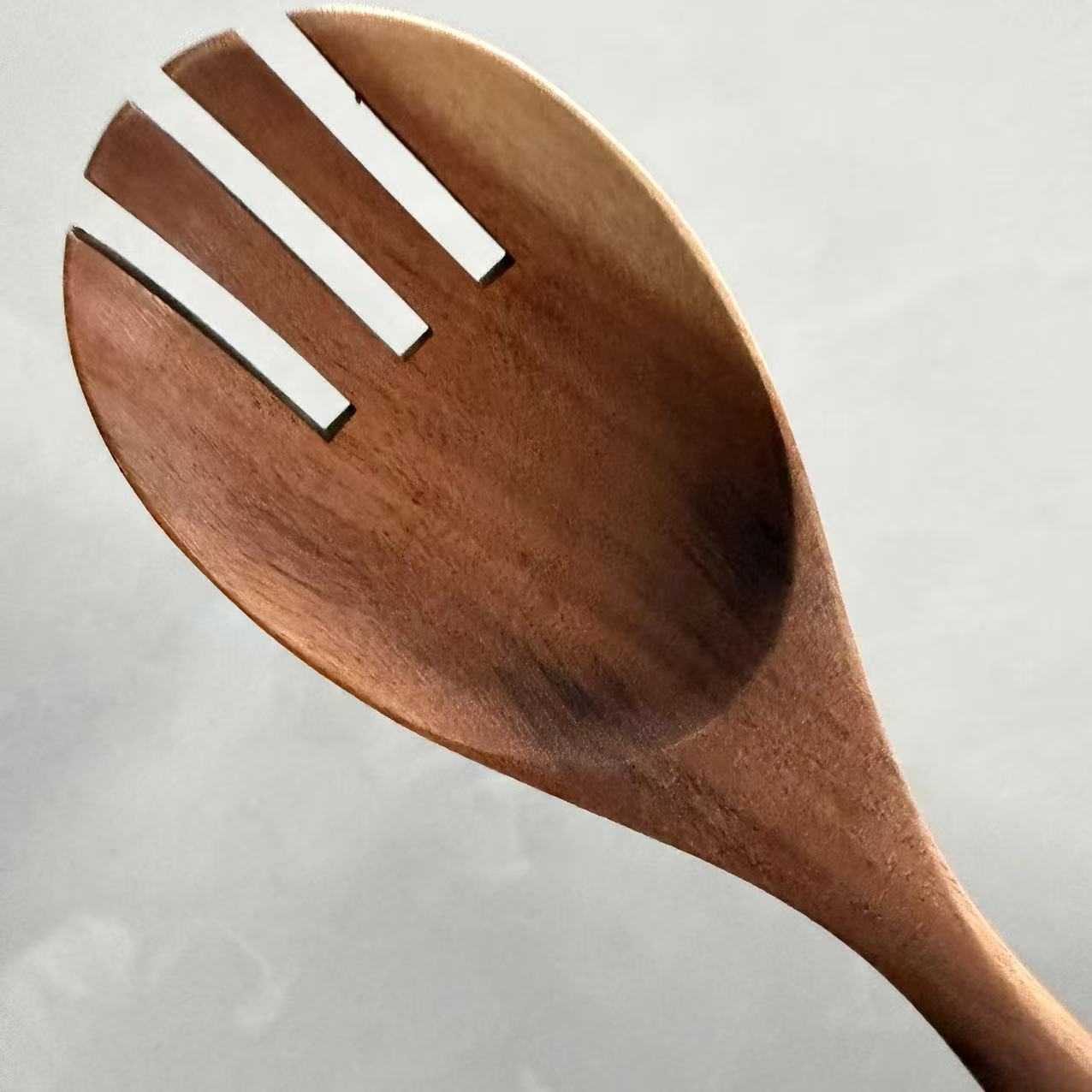
Acacia wood cooking utensils offer a natural appearance that suits contemporary kitchens, rustic interiors, and premium homeware collections. Their grain patterns and color variations give each piece an individual character, making coordinated sets visually appealing on retail shelves and in gift packaging. A collection may include stirring spoons, turners, and spatulas designed for different preparation tasks. For distributors, these complementary products create opportunities to build kitchenware assortments around matching cutting boards and serving tools. Buyers should define acceptable grain variation and finishing standards during sample approval. Clear product descriptions can also explain the natural material characteristics, intended applications, and maintenance practices that support responsible everyday use.
Flexible Customization for Wholesale Kitchenware Programs

Flexible Customization for Wholesale Kitchenware Programs

Customized acacia wood utensils allow brands and distributors to develop products that reflect their target markets. Buyers can discuss handle profiles, utensil dimensions, coordinated product combinations, surface finishes, and packaging options according to project requirements. For example, a homeware retailer may prefer a compact spoon-and-spatula set, while a gift supplier may require a broader collection with customized presentation boxes. Consistent specifications help guide production and simplify quality inspections across multiple batches. Sample approval provides an opportunity to review dimensions, surface smoothness, finish appearance, and packaging suitability before confirming an order. By aligning these details early, buyers can establish clearer expectations and build a recognizable kitchenware collection for their customers.