AR

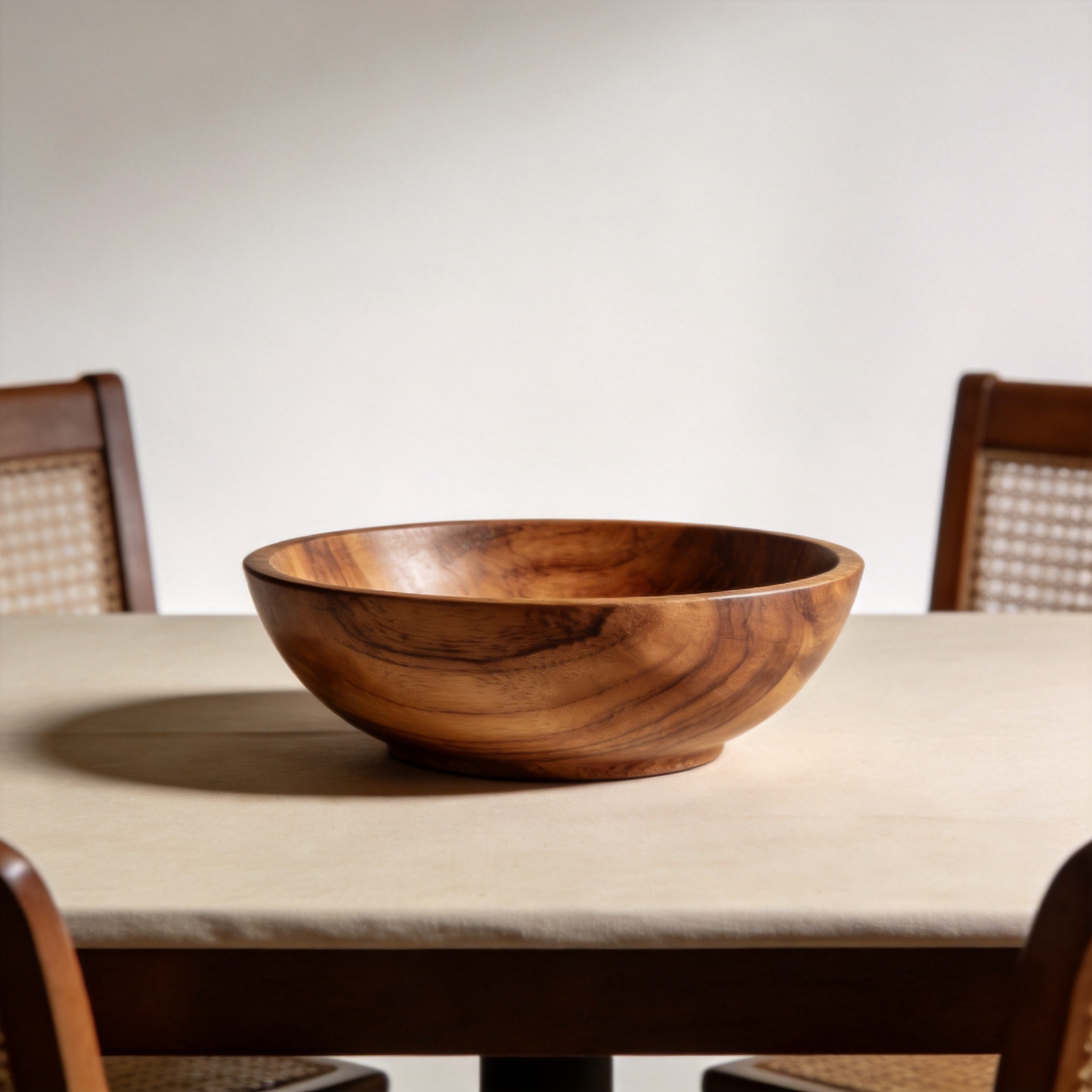
What Is the Best Wood for a Wooden Bowl?
A good wooden bowl is not chosen by appearance alone. As a materials inspector, I would start with the job the bowl must do: serve leafy salads, hold dry snacks, support everyday family use, or create a decorative tabletop moment. A suitable wood balances hardness, grain stability, food-contact finishing, and the level of care the buyer can realistically provide.
For many everyday applications, an acacia bowl is a strong all-round choice. Acacia is dense, visually expressive, and commonly used in wooden kitchenware. Still, a premium wooden bowl should not be judged by its hardwood label alone. Drying quality, construction, sanding, and finish determine whether it stays useful after seasons of use.
The short answer: choose the wood by use case
If you need one practical recommendation, choose a well-made acacia bowl for a versatile serving piece. Its warm color variation and pronounced grain give it retail appeal, while its density suits normal serving use. For a classic large wooden salad bowl, walnut, maple, and cherry are also excellent candidates when the maker has controlled moisture content and used a suitable finish.
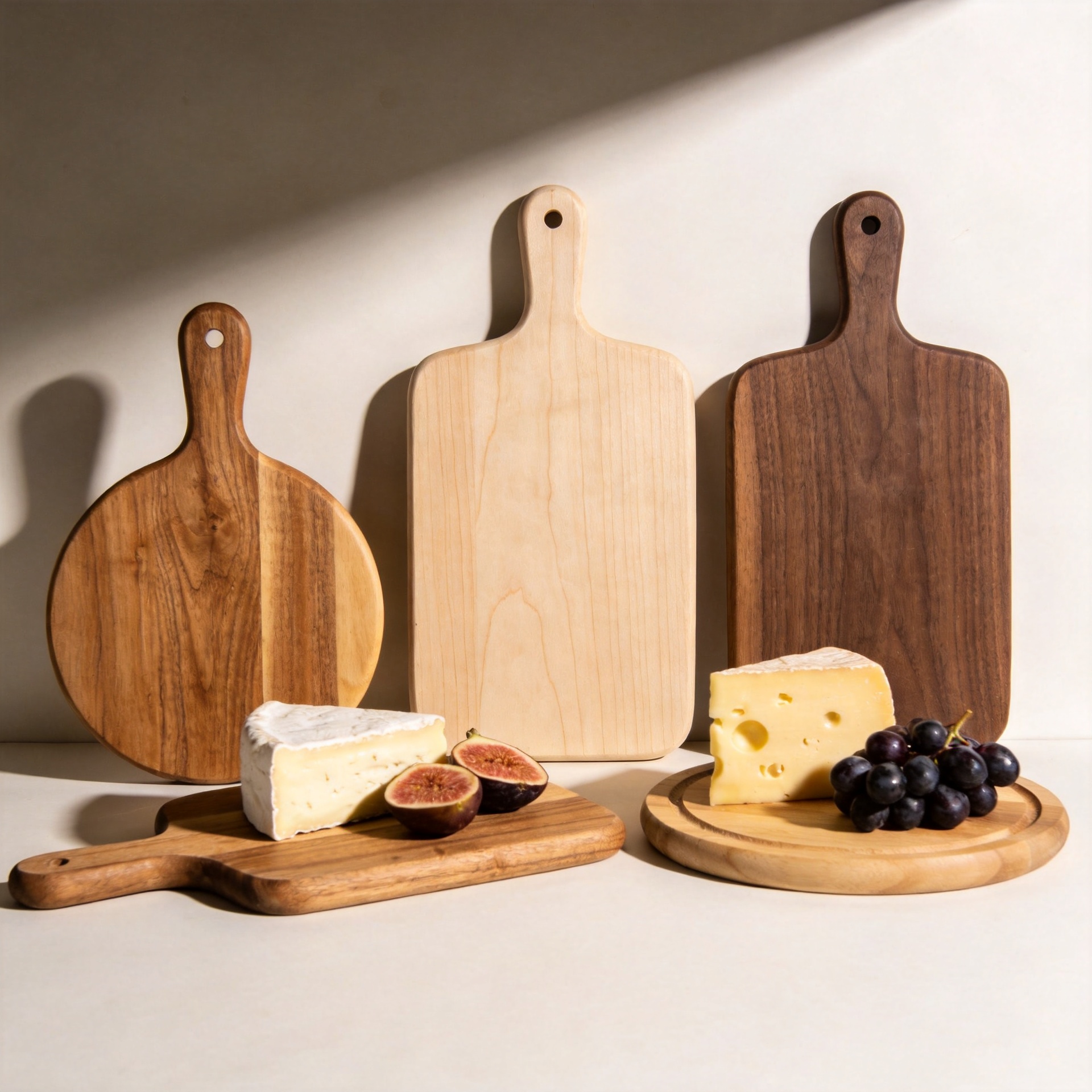
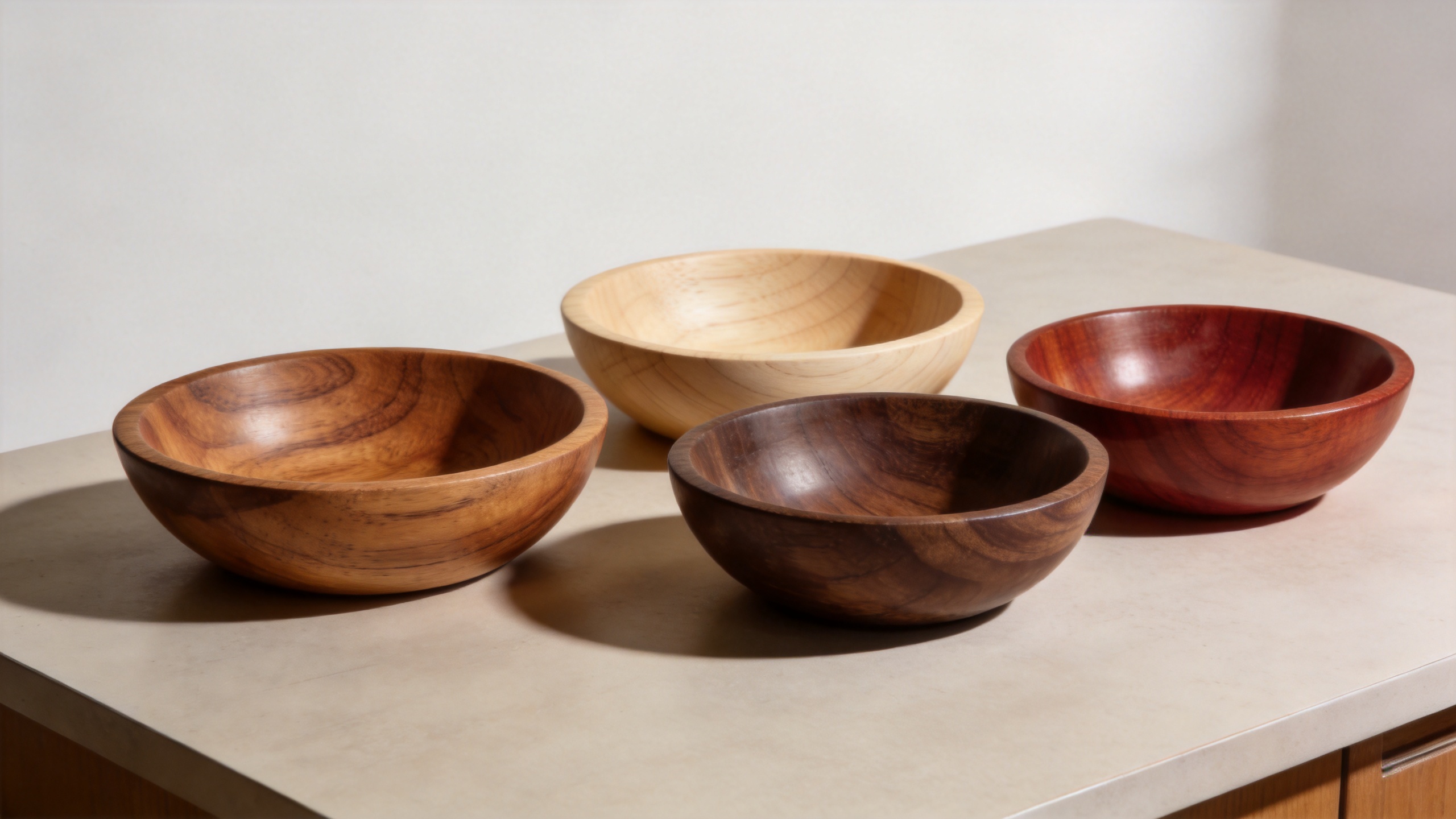
There is no single winner for every buyer. A light-colored maple bowl can fit a clean, uniform table setting. Walnut creates a darker, more formal look. Cherry develops a warmer tone over time. Olive wood is striking but can be more variable and needs careful sourcing. A handcrafted bowl should be evaluated as a finished object, not ranked only by species.
What properties matter most in a wooden bowl?
Use these four checks before choosing material or approving a sample:
- Dimensional stability: Wood exchanges moisture with its environment. A properly dried, evenly constructed wooden bowl is less likely to move, crack, or warp as household humidity changes.
- Density and surface durability: Dense hardwoods generally tolerate ordinary serving wear better than softer species. This matters for a wooden salad bowl that will be handled, washed, and restacked often.
- Grain and construction: Grain should look intentional and the rim should feel smooth. For a larger wooden bowl, inspect the base, wall thickness, and any joinery for visual and structural consistency.
- Finish and care: The wood species does not automatically make an item food-contact ready. Ask what finish is used, whether it is fully cured, and what market-specific documentation is available for the intended sale region.
This distinction is important for buyers of wooden tableware. A beautiful wood can still disappoint if it was not dried thoroughly, if the finish is poorly applied, or if users receive no care instructions.
How acacia compares with other popular bowl woods
| Wood | Why buyers consider it | Best fit | What to check |
|---|---|---|---|
| Acacia | Warm contrast, visible grain, dense feel | Everyday serving and gift-oriented ranges | Color variation, drying, finish consistency |
| Maple | Light, clean appearance and fine grain | Bright, minimal table settings | Finish quality and stain resistance expectations |
| Walnut | Rich dark tone and premium character | Statement serving pieces | Color matching across a set |
| Cherry | Warm tone that develops character | Traditional or giftable tableware | Expected color change over time |
| Olive wood | Distinctive, high-contrast grain | Small decorative or specialty bowls | Natural variation and appropriate care guidance |
An acacia bowl often sits in the practical middle: it looks distinctive without requiring an overly formal setting, and its natural variation can make each handcrafted bowl feel individual. That variation should be shown honestly in photography and samples. It is a feature for buyers seeking natural character, but it is not a substitute for production consistency.
When is acacia a suitable choice?
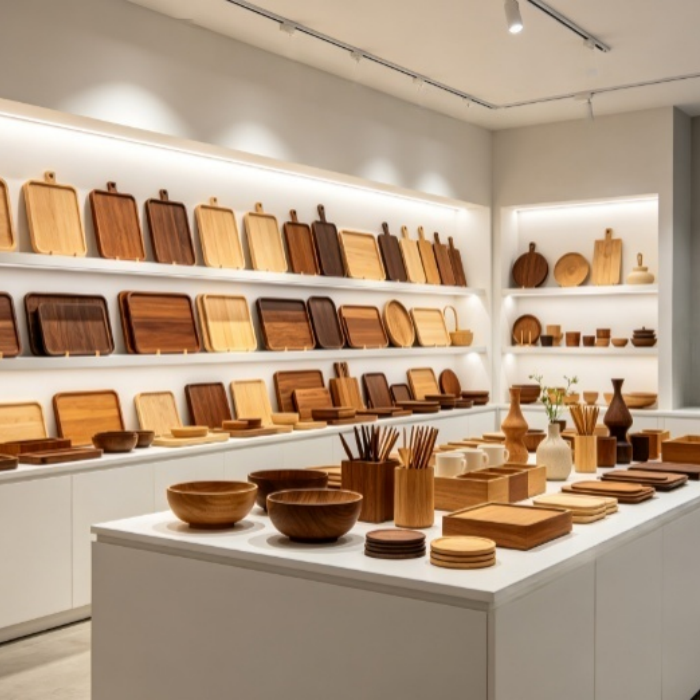
An acacia bowl is especially suitable when you want a durable-looking, warm-toned wooden bowl for salads, fruit, bread, or dry serving. It also works well for ranges that need a recognizable species story. Caoxian Kangyi Wood Products works with acacia across wooden kitchenware, so the material is a relevant starting point for buyers comparing serving formats and finish expectations.
Choose acacia when the brief calls for grain contrast, a substantial feel, and a natural look that can work in both casual and premium settings. Do not choose it blindly when a project requires highly uniform color across hundreds of units; instead, agree on a sorting standard, approved sample, and tolerance for natural variation before production.
Do not overlook finish, moisture, and maintenance
Even a well-made wooden bowl can fail early if it is soaked, put in a dishwasher, or left wet. Most wooden tableware benefits from hand washing, quick drying, and occasional reconditioning according to the finish supplier’s instructions. A buyer should request care guidance for every wooden bowl range, especially if the item is intended for gift retail or online sale.
For food use, verify the exact finish system rather than accepting a generic “food-safe” label. The relevant question is whether the fully cured finish and the final product documentation meet the requirements of the destination market. This is a sourcing checkpoint, not a claim that can be inferred from an acacia bowl, walnut bowl, or any other species.
A sample-review checklist for wholesale buyers
- Hold the wooden bowl under natural light and assess grain, color variation, and visible repairs.
- Run a hand around the rim and interior; a handcrafted bowl should feel consistently sanded, with no rough patches or sharp transitions.
- Check the base for stable contact with a flat surface.
- Ask how the wood was dried and how the finish is cured.
- Confirm the intended use: a decorative bowl, snack bowl, and wooden salad bowl do not face identical exposure to moisture and handling.
- Request written care directions and the compliance documentation your market requires.
Final recommendation
A suitable wood for a wooden bowl is a well-prepared hardwood matched to the product’s job. For many buyers, acacia is a versatile all-purpose option because an acacia bowl combines a dense feel, warm grain, and versatile presentation. Maple, walnut, cherry, and olive can be equally appropriate when their appearance and use case fit the range.
Make the final decision from a finished sample—not a species name alone. A properly dried, smoothly finished wooden bowl with realistic care guidance will serve customers better than a more fashionable wood with weak quality control. That is how a wooden salad bowl or other wooden tableware becomes a dependable long-term purchase rather than just an attractive display piece.