Wooden Soup Bowls for Restaurants & Retailers | Wholesale

Welcome to our store!Black Friday Sale!

showlist/wooden-soup-bowl, showlist/wooden-soup-bowl, 
Inquiry
Inquiry
Customer Reviews of Wooden Soup Bowls

Customer Reviews of Wooden Soup Bowls

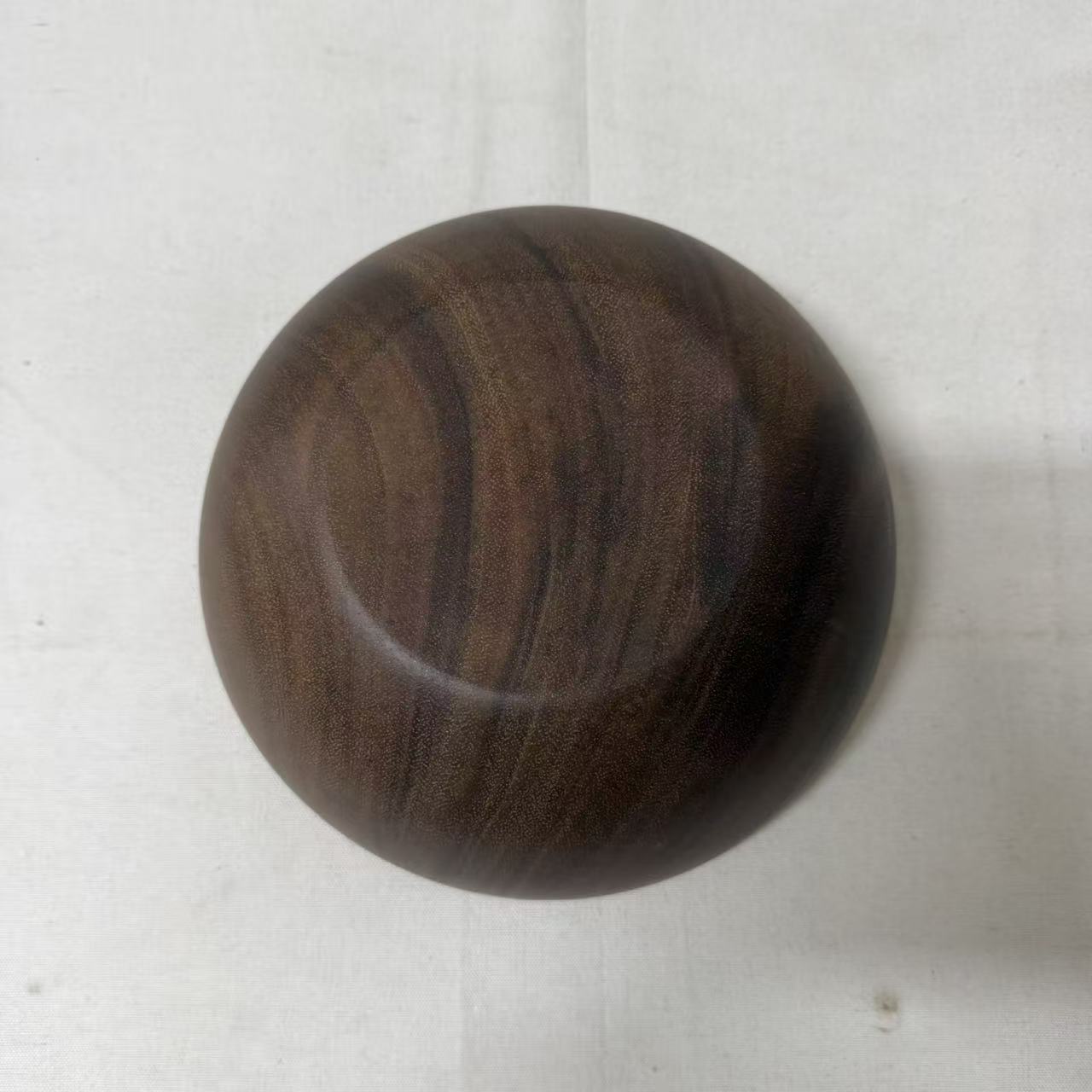
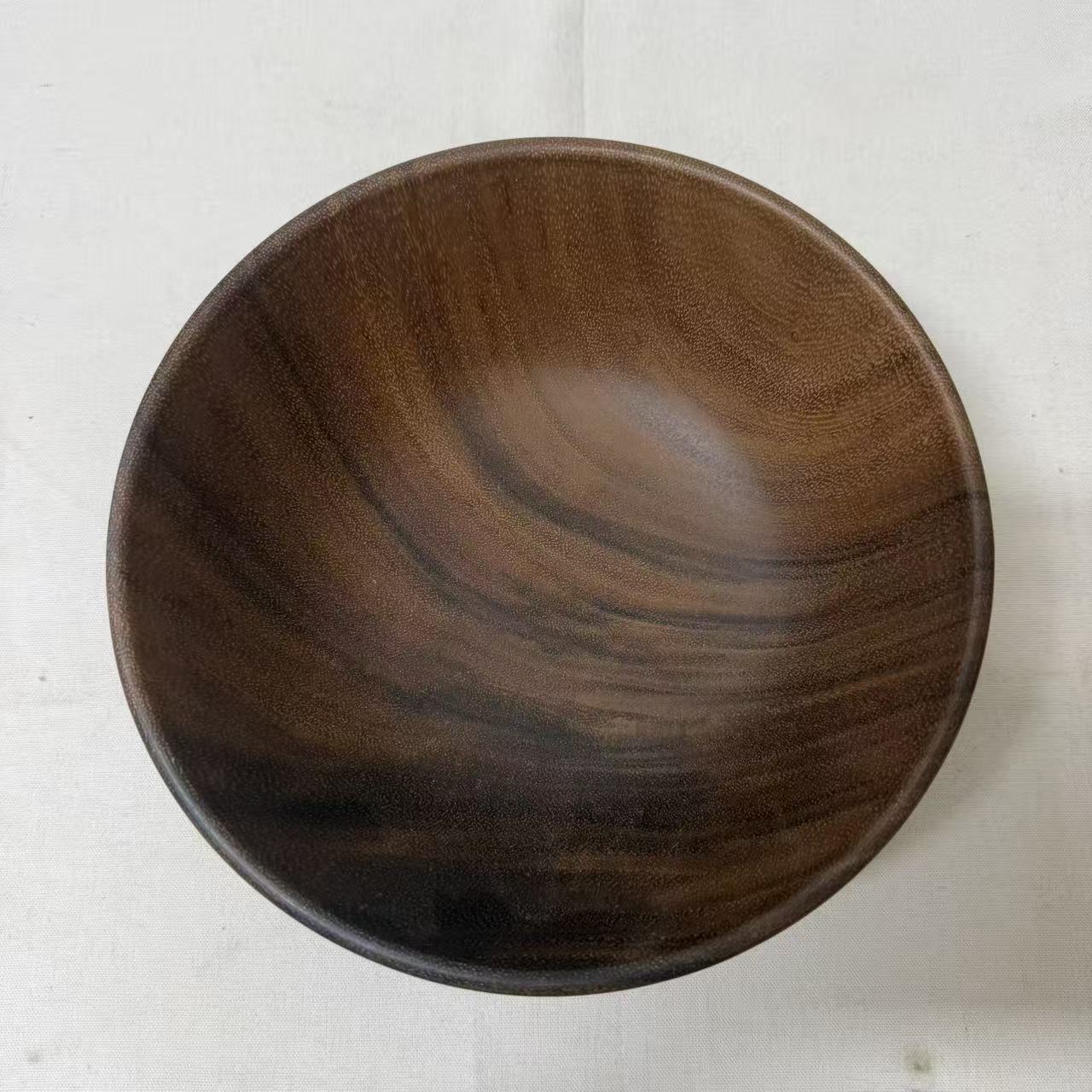
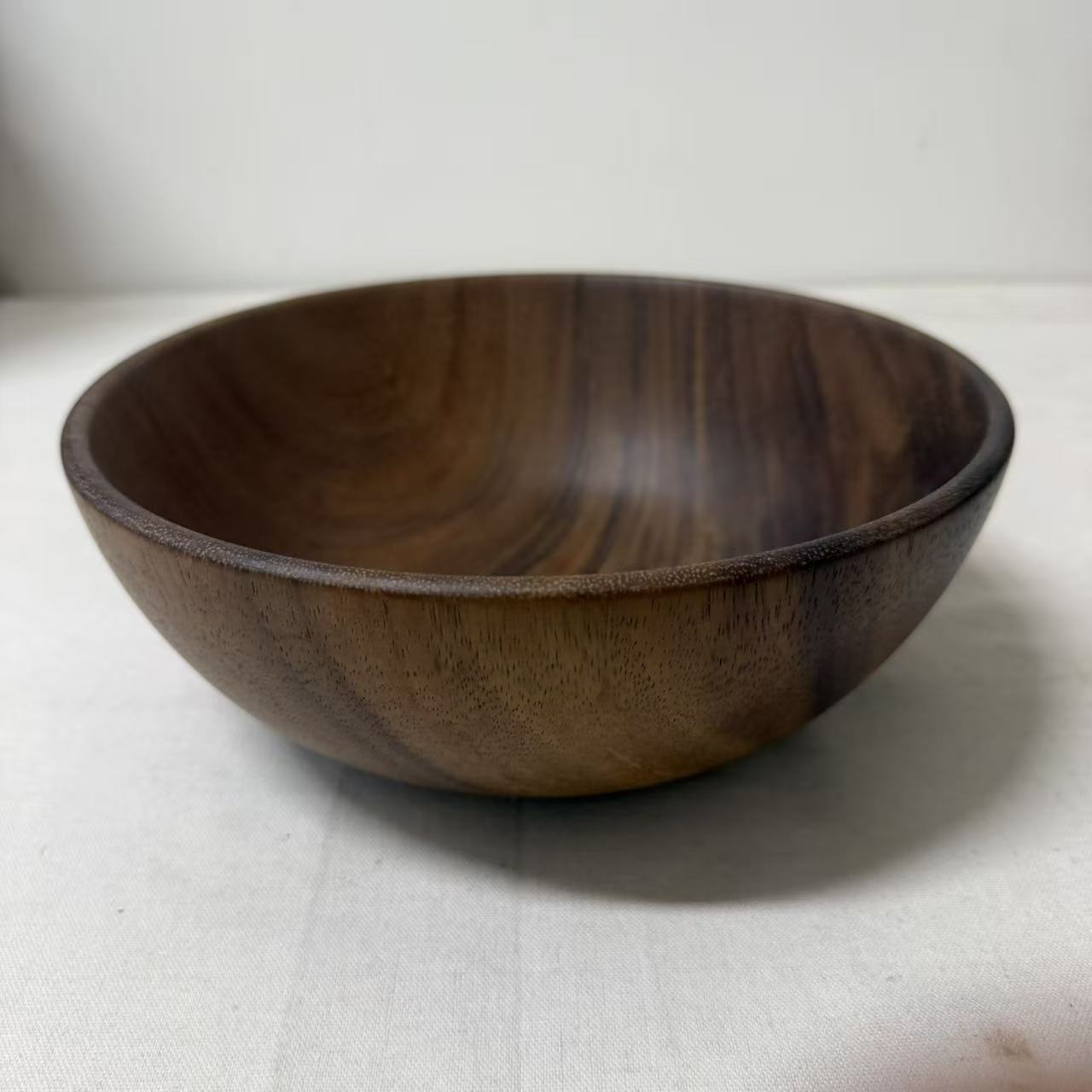
Woodenky offers wooden soup bowls for tableware retailers, homeware brands, gift suppliers, and wholesale buyers seeking distinctive natural products. Wood grain adds visual warmth to dining collections, while carefully finished surfaces contribute to a comfortable handling experience. Buyers can explore available bowl shapes, dimensions, wood species, and finishes according to their intended market. Because soup involves hot liquids, selecting a bowl specifically designed and finished for that application is essential; not every wooden bowl is suitable for hot or liquid foods. For commercial orders, reviewing samples and confirming food-contact suitability, care instructions, packaging, and quality requirements helps buyers make informed purchasing decisions.
Get A Quote

Case Study

Natural Tableware for Homeware Retailers

A homeware retailer wanted to expand its natural tableware collection with wooden bowls designed for distinctive dining presentation. The purchasing team compared bowl dimensions, wood appearance, surface smoothness, and overall shape to identify products suited to its customer base. Since the intended application involved soup, confirming suitability for hot liquids and direct food contact was a key selection requirement. The retailer also considered packaging and care instructions to help customers understand appropriate use and maintenance. Reviewing samples before finalizing specifications supported a more informed product decision and helped the business assess how the bowls would complement its existing kitchenware assortment.

Private-Label Dining Collection

A lifestyle brand planned to introduce wooden bowls within a coordinated private-label dining range. Its team evaluated natural wood tones, bowl capacity, finishing quality, and packaging presentation to establish a consistent product identity. Because the products were intended for soup service, the buyer requested clear information about the materials, finish, heat tolerance, and food-contact suitability. Sample approval provided an opportunity to examine the bowl's shape and surface before confirming the product specification. By documenting dimensions, labeling, packaging, and maintenance guidance, the brand could prepare a more coherent collection while ensuring that product claims matched the manufacturer's confirmed intended use.

Hospitality and Specialty Tableware Supply

A specialty tableware distributor explored wooden soup bowls for restaurants, hospitality businesses, and retailers interested in natural dining accessories. The purchasing team considered capacity, handling comfort, cleaning requirements, and durability under the intended serving conditions. Heat exposure and repeated contact with liquids required particular attention because wooden products vary in construction and finish. The distributor therefore prioritized products with clearly documented usage instructions and confirmed suitability for soup service. Comparing samples and agreeing on inspection criteria helped establish purchasing expectations. This process illustrates how careful product evaluation can support responsible sourcing and reduce uncertainty when developing a specialized tableware offering.

Woodenky provides wooden bowls and customized kitchenware solutions for retailers, wholesalers, importers, and private-label brands. Buyers can explore available wood species, bowl profiles, dimensions, surface finishes, and packaging options to develop products suited to their target markets. For wooden soup bowls, material selection and finishing require particular attention because repeated exposure to hot liquids and moisture can affect wood. Confirming food-contact safety, heat tolerance, and the manufacturer's intended-use guidance is essential before selecting a model for soup service. Sample evaluation allows purchasing teams to assess the bowl's shape, surface smoothness, and appearance. Retail collections may feature coordinated sizes, while private-label projects can incorporate approved branding and packaging. Before bulk production, buyers should confirm specifications, quality criteria, and care instructions. Wooden bowls generally require hand washing and prompt drying rather than dishwasher cleaning. Clear product documentation helps businesses communicate appropriate use and maintenance while developing a distinctive tableware assortment for international markets.

Frequently Asked Questions

Are wooden soup bowls suitable for serving hot soup?

Some wooden bowls may be suitable for soup, but this depends on the wood construction and finish. Buyers should confirm that the specific product is designed for hot liquids and direct food contact. Do not assume every wooden bowl can safely accommodate boiling soup.
Customization may include available wood species, bowl dimensions, shapes, surface finishes, and packaging. Options depend on the manufacturer's product range and production capabilities. Buyers should provide their preferred specifications, branding requirements, and estimated quantities, then approve a sample before confirming a bulk order.
Suitable materials depend on the intended application, construction, and finish. Different wood species have distinct grain patterns, colors, and moisture responses. Ask the supplier to identify the actual wood species and confirm its suitability for hot liquids, food contact, and repeated cleaning before purchasing.
Follow the manufacturer's care instructions. Most wooden bowls should be hand washed with mild soap, rinsed carefully, and dried promptly. Avoid prolonged soaking, dishwashers, and microwaves unless the manufacturer explicitly confirms otherwise. Appropriate care helps reduce moisture-related damage and preserve the bowl's finish.
Buyers should verify dimensions, material, finish, food-contact suitability, heat tolerance, packaging, minimum order quantities, and delivery schedules. Requesting samples and agreeing on quality inspection criteria helps clarify expectations. Care instructions and intended-use limitations should also be documented before the products are marketed to customers.

Related article

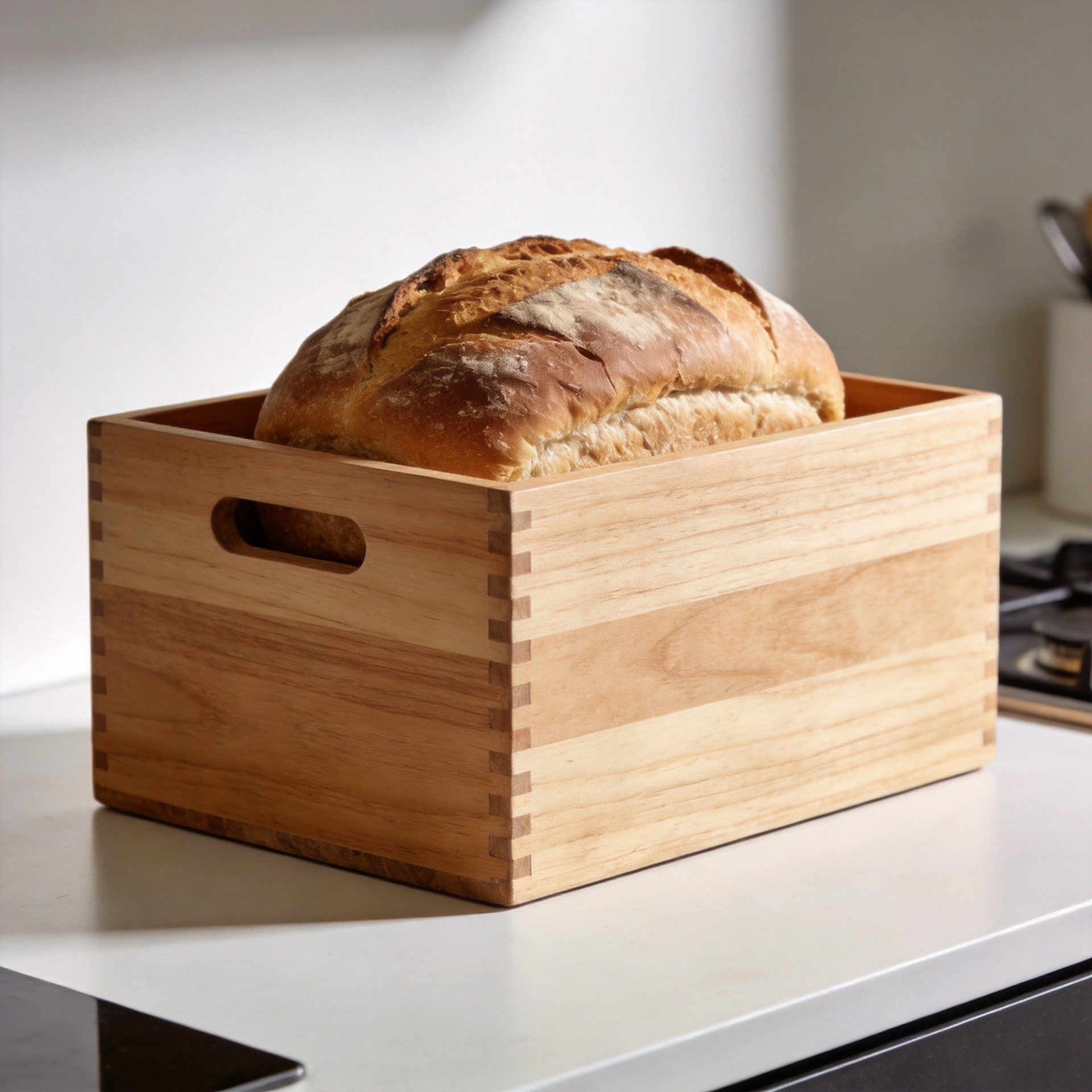
Why Are Wooden Bread Storage Boxes Popular in Modern Kitchens?

27

Oct

Why Are Wooden Bread Storage Boxes Popular in Modern Kitchens?

Discover why a wooden bread storage box brings order, warmth, and practical countertop storage to a modern kitchen.
View More
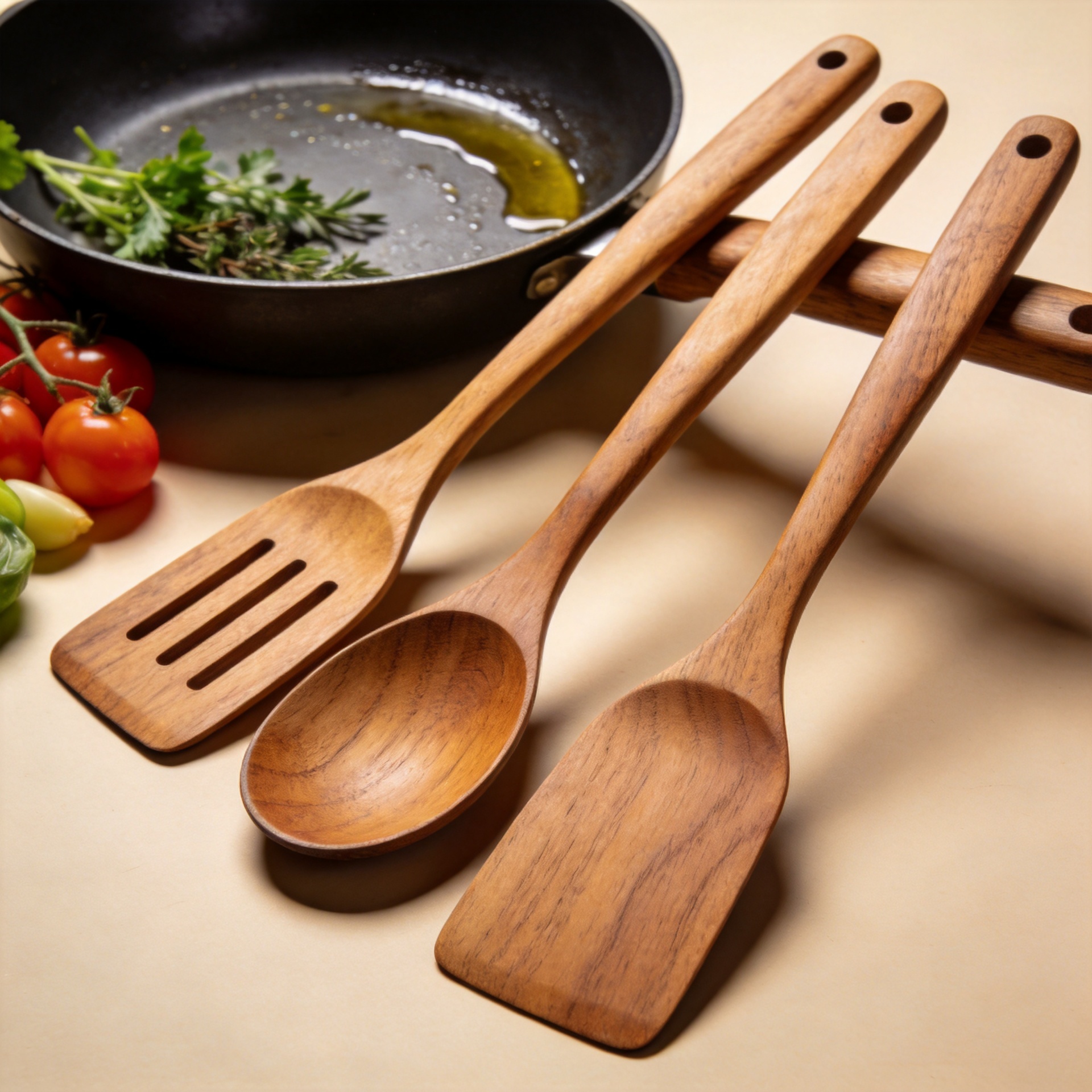
How to Choose the Right Wooden Spatula for Different Cooking Tasks?

27

Oct

How to Choose the Right Wooden Spatula for Different Cooking Tasks?

Choose the right Wooden spatula by task, shape, wood, handle, and care needs for easier everyday cooking.
View More
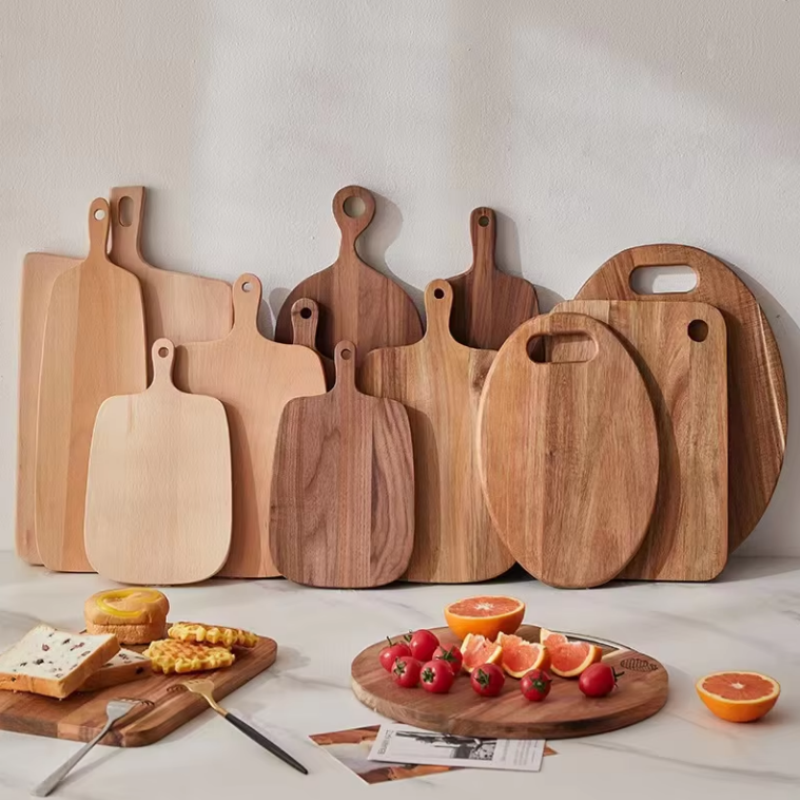
What Is the Best Wood for a Wooden Chopping Board?

28

Oct

What Is the Best Wood for a Wooden Chopping Board?

Compare the best wood for a Wooden chopping board by durability, appearance, construction, and care needs for retail buying.
View More
Custom Wooden Coasters for Corporate Gifts and Branding.

27

Oct

Custom Wooden Coasters for Corporate Gifts and Branding.

Explore wooden coasters for corporate gifts: choose engraving, packaging, samples, and sourcing controls for effective branding.
View More

Customer Testimonials

Daniel Miller

The wooden soup bowls added a warm, natural look to our tableware collection. We appreciated the attractive grain, comfortable shape, and opportunity to coordinate different sizes for retail customers.

Emma Wilson

We explored wooden bowl options for our private-label range and valued the attention to finish, dimensions, and packaging. Reviewing samples helped us assess suitability before confirming product specifications.

Get a Free Quote

Our representative will contact you soon.
0/1000
Natural Materials and Refined Tableware Design

Natural Materials and Refined Tableware Design

Wooden soup bowls offer a distinctive alternative for brands developing nature-inspired tableware collections. Wood grain and color vary by species, giving each design its own visual character. Buyers can compare available shapes, capacities, and finishes to complement different dining styles, from rustic homeware to contemporary table settings. However, visual appeal must be balanced with functional suitability. A bowl intended for soup needs a construction and finish that the manufacturer confirms are appropriate for hot liquids and direct food contact. Sample evaluation can help purchasing teams assess dimensions, surface smoothness, and overall presentation. Documenting material specifications and acceptable natural variations also supports clearer communication during wholesale purchasing and product development.
Customization for Wholesale and Private Labels

Customization for Wholesale and Private Labels

Customized wooden soup bowls can help homeware brands create tableware collections that align with their identity and target customers. Depending on available production options, buyers may explore different dimensions, bowl profiles, wood finishes, and retail packaging. A premium homeware brand may emphasize natural grain and coordinated presentation, while a distributor may prioritize practical assortment planning and consistent specifications. Before confirming production, buyers should approve samples and document material requirements, branding artwork, packaging details, and quality criteria. Food-contact suitability and heat tolerance should be verified for the intended application rather than assumed from appearance alone. This structured approach helps businesses develop product offerings with clearer specifications and more reliable expectations.