AR

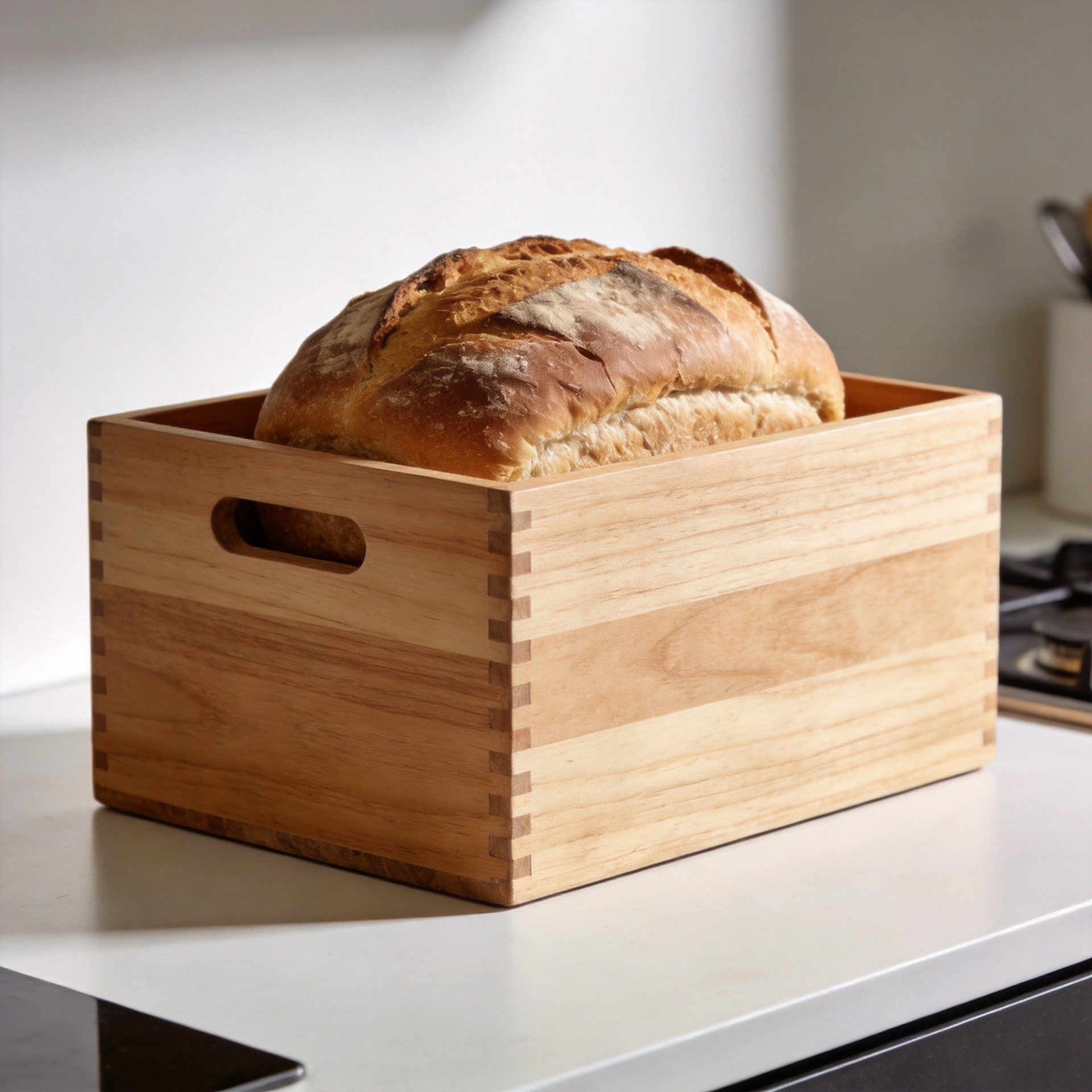
Why Are Wooden Bread Storage Boxes Popular in Modern Kitchens?
A wooden bread storage box does more than hide a loaf. It gives everyday bread a defined place on the counter, softens the visual clutter of packaging, and adds a warm material note to kitchens that can otherwise feel hard and utilitarian. As someone who evaluates wooden home goods for both appearance and daily use, I find that well-designed boxes succeed because they solve several small problems at once rather than because wood is fashionable on its own.
That distinction matters. A bread box will not make bread immune to staleness or mold, and it cannot compensate for poor storage habits. Yet a well-made wooden bread storage box can support the basic conditions bread needs: a clean, cool, dry location away from direct heat. It also makes kitchen storage easier to maintain, which is a practical reason the category continues to appeal.
It turns loose packaging into calmer countertop storage
Bread bags, rolls, wraps, and bakery packets tend to migrate across the worktop. A wooden bread storage box creates a repeatable home for them, so the area looks intentional instead of temporarily occupied. This is especially useful in open-plan kitchens, where countertop storage is highly visible.
The appeal is not merely decorative. When a household has one place for bread, it is easier to keep the counter clear, notice what needs using, and avoid crushing soft loaves beneath other groceries. For renters, smaller kitchens, and busy family spaces, that modest bit of order can make a noticeable difference.
Natural kitchenware gives the room visual warmth
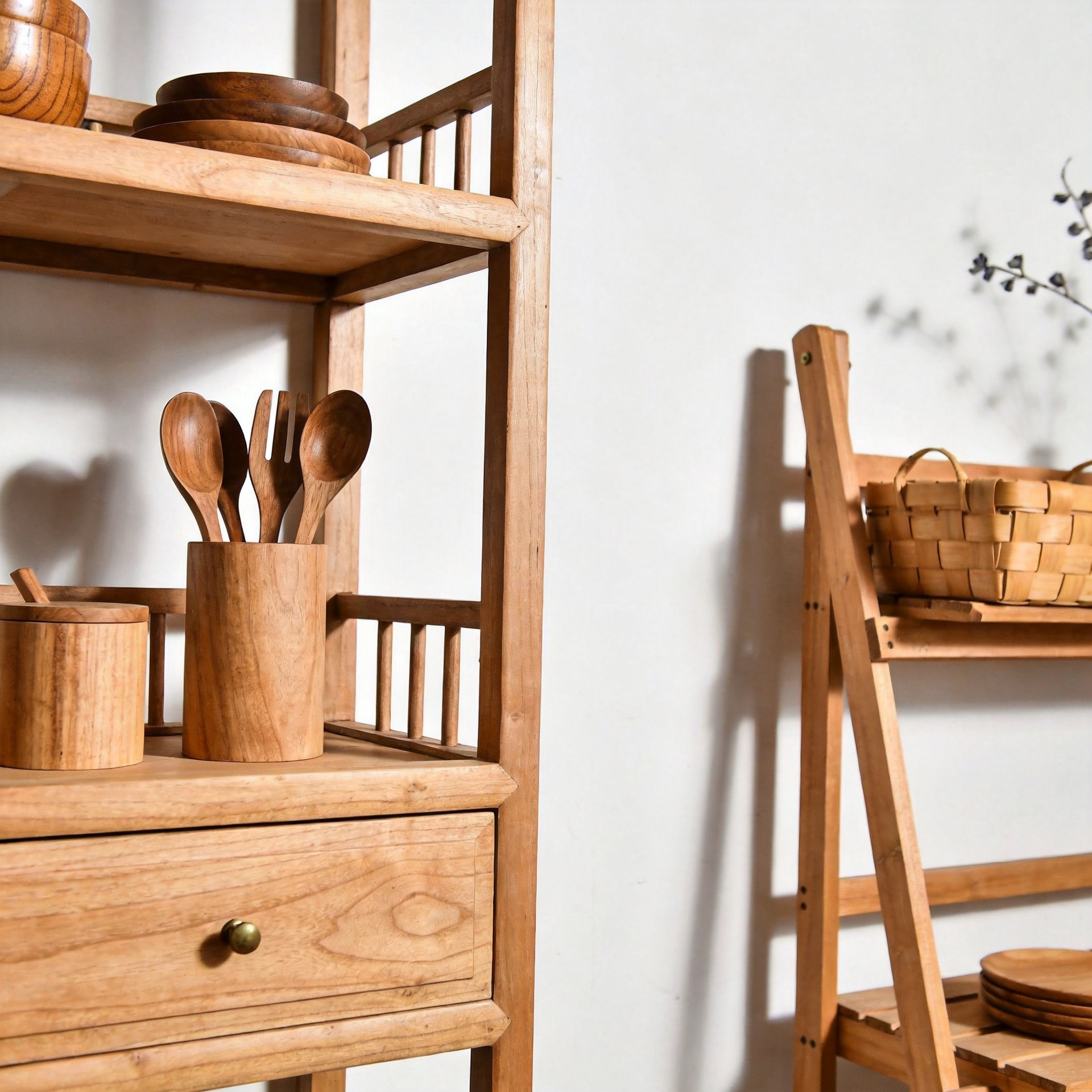
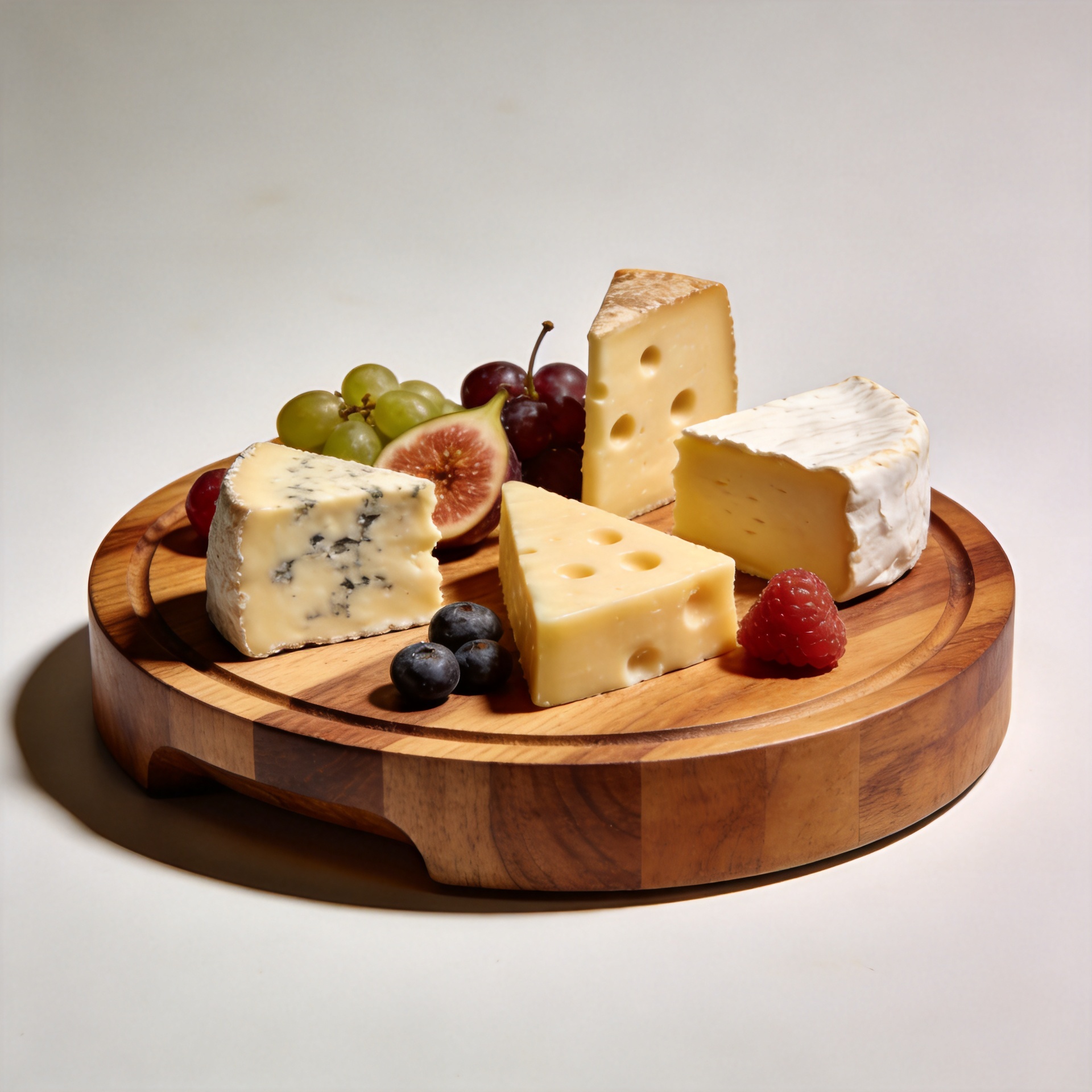
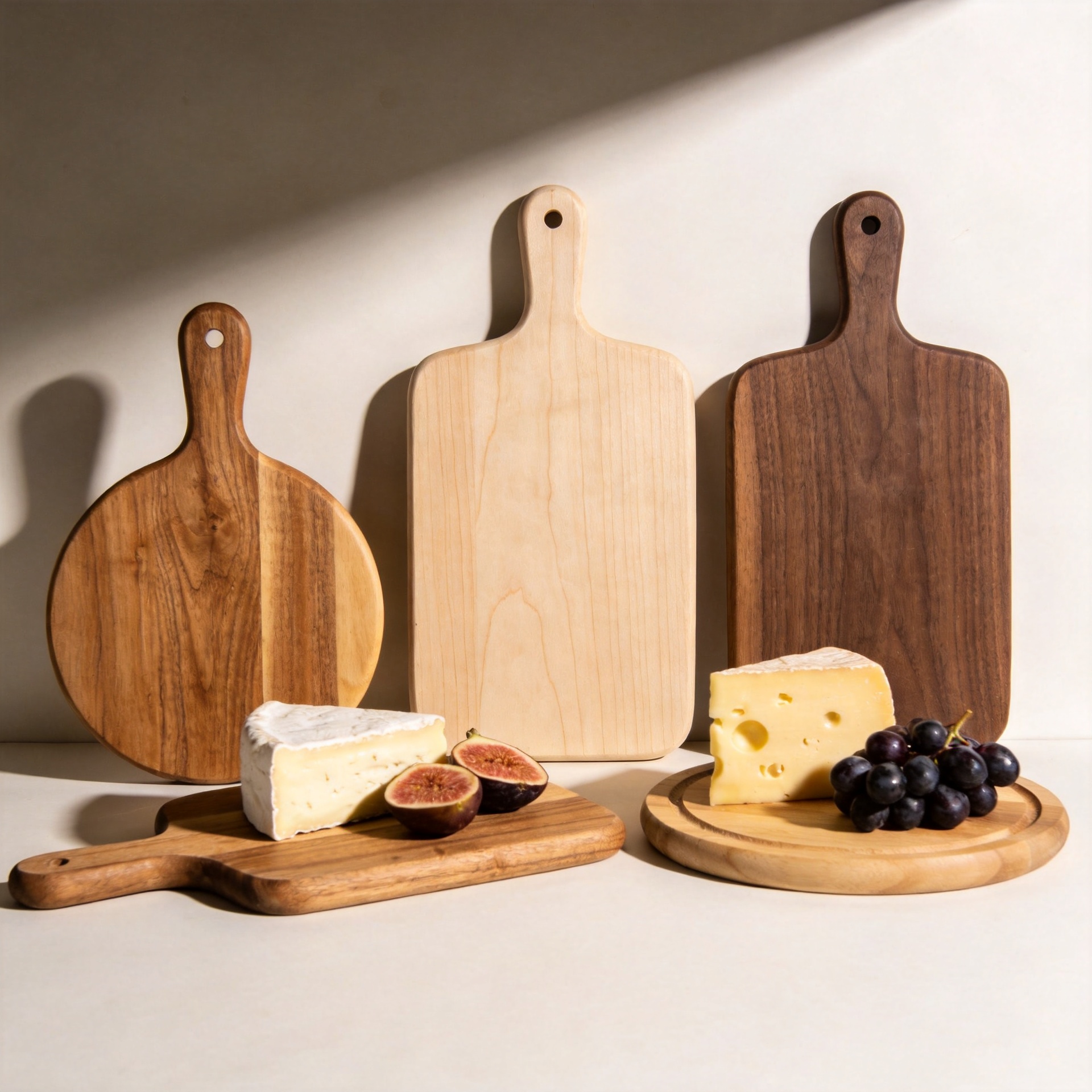
Modern kitchens often combine smooth cabinet fronts, stone, steel, glass, and appliance finishes. A wooden bread storage box breaks up those cooler surfaces with visible grain and a softer tactile quality. It can sit comfortably beside cutting boards, serving pieces, or wood storage racks without making the room feel over-styled.
That is why natural kitchenware works across more than one design direction. A simple box can suit a pared-back contemporary kitchen, a farmhouse-influenced space, or a warmer organic-modern scheme. Wood variation is part of the attraction: the tone and grain make the object feel less generic than a plain plastic container. Still, buyers who need perfectly uniform color across several units should ask about material grading and finish consistency before ordering.
A bread organizer can support better storage habits
A bread organizer is most useful when it encourages sensible placement. General food-storage guidance recommends cool, dry, ventilated conditions and keeping shelf-stable foods away from heat and damp areas. In practical terms, place a wooden bread storage box away from the stove, dishwasher steam, a sunny window, and a damp sink zone.
Most designs rely on a lid, roll-top, or small ventilation gaps to keep bread covered while avoiding a sealed, humid enclosure. There is no single ideal airflow pattern because loaf type, room temperature, and household turnover vary. What matters is checking bread regularly, removing crumbs, and avoiding storage of a damp loaf or wet packaging inside. If mold appears, discard the affected bread and clean the box before using it again.
Wood feels more substantial than disposable alternatives
For many shoppers, a wooden bread storage box feels like a kitchen fixture rather than another short-lived organizer. Its solid appearance makes bread storage part of the room’s furniture-like layer, not an afterthought. This helps explain why wooden storage pieces are often chosen for gifting, housewarmings, or a kitchen refresh: they combine a useful function with a visible sense of permanence.
Of course, material alone does not determine quality. Look for smooth edges, a lid that opens without scraping, a stable base, and an interior that is easy to wipe. If the box will store food-contact packaging only, the decision is largely about construction and maintenance. If bread may touch the interior directly, ask the manufacturer what finish is used and request any food-contact documentation required for your market rather than assuming that every wood finish is suitable.
It supports a more coherent kitchen storage system
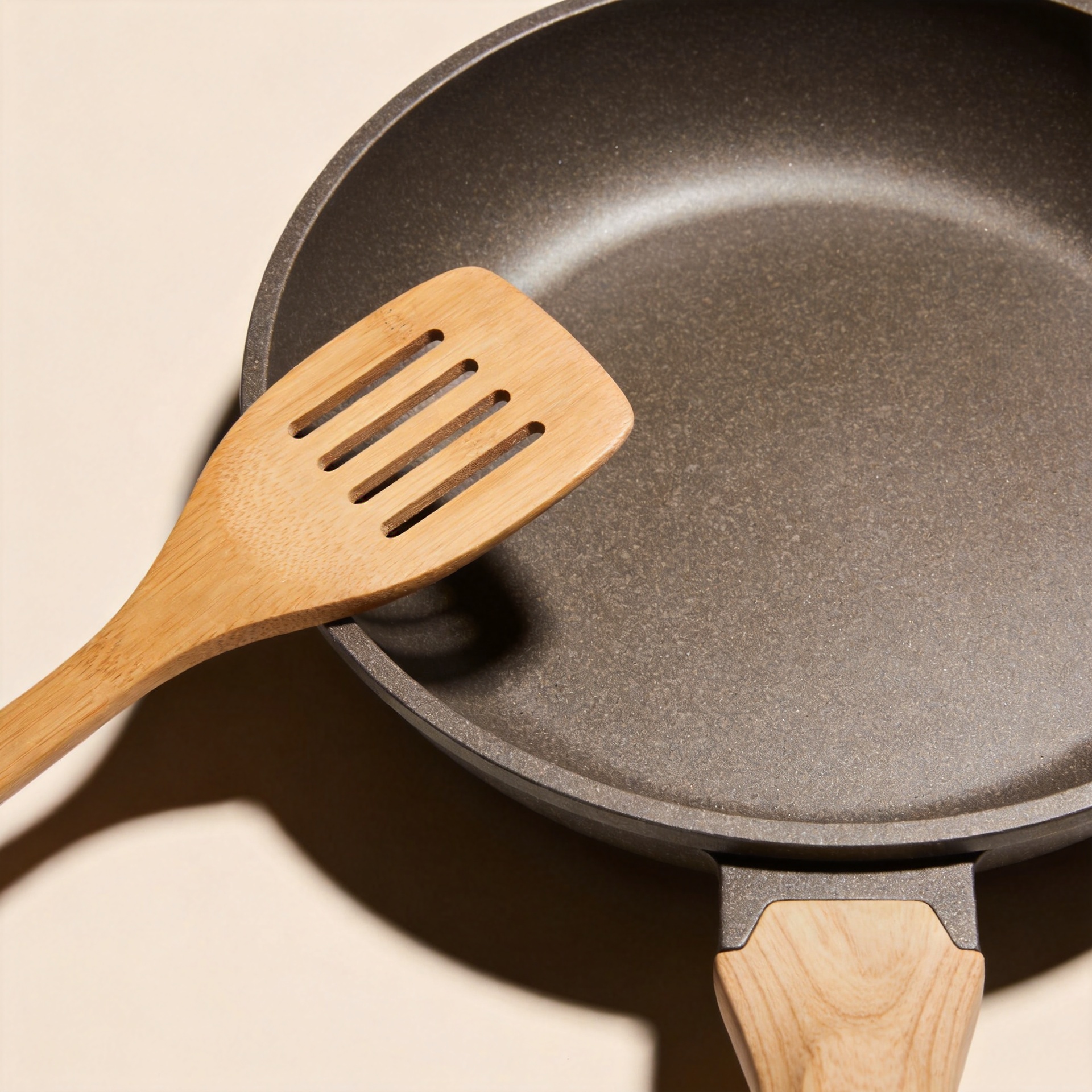
The popularity of a wooden bread storage box also reflects a broader shift toward coordinated kitchen storage. Instead of collecting unrelated containers, people increasingly choose a few visible pieces that work together: a bread box, utensil holder, cutting board, tray, or compact rack. The result can be more functional because frequently used items remain within reach, but it also looks calmer because the materials relate to one another.
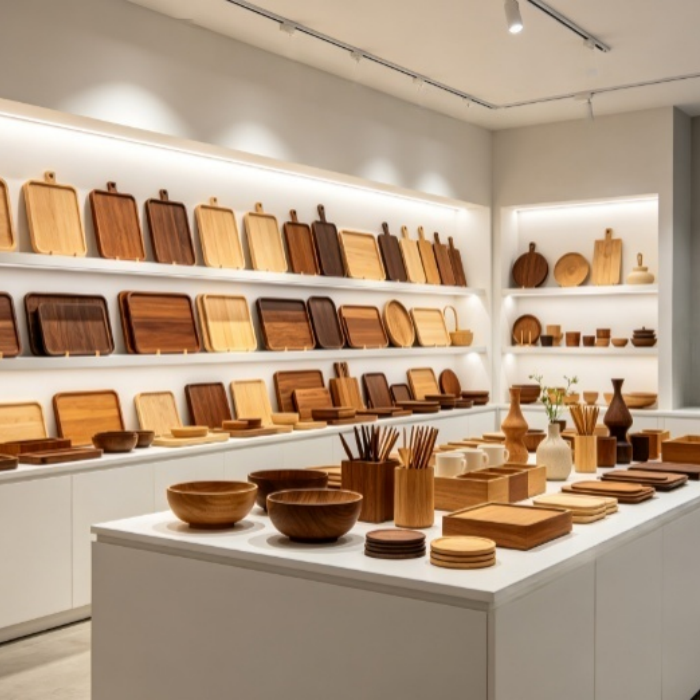
For retailers and trade buyers, this creates a useful range-planning opportunity. Wooden kitchenware, wood storage racks, and furniture-oriented woodworking draw on related material and finishing skills, allowing a collection to feel connected without every item looking identical. The important caution is to present wood honestly: natural grain and color variation are expected, and care instructions should be easy to understand.
How to choose a wooden bread storage box that earns its counter space
- Measure the real bread routine. Check the footprint, height, and opening clearance for the loaves, rolls, or bakery bags your household buys most often.
- Prioritize location over promises. Even a good bread organizer performs poorly beside heat, steam, or direct sun.
- Test access. A lid should be comfortable to open one-handed and should not block nearby cabinets or appliances.
- Choose an easy-clean interior. Crumbs collect quickly; a simple, accessible shape makes routine wiping realistic.
- Ask about finish and care. Follow the maker’s instructions. As a general rule for wood kitchen items, avoid soaking, dry promptly, and do not place the box in a dishwasher unless the manufacturer specifically says it is safe.
- Buy for the look you can live with. A natural wood tone can age attractively, but it should complement the counter and other visible kitchen storage pieces.
The lasting appeal is practical, not just nostalgic
Wooden bread boxes remain popular because they make an ordinary habit feel more organized and considered. A wooden bread storage box offers a contained place for bread, adds warmth to countertop storage, and fits naturally into a wider collection of natural kitchenware. It is not a freshness guarantee, and it does not replace regular cleaning or sensible food storage. Used in a cool, dry spot and chosen with daily access in mind, though, it can be one of those small kitchen upgrades that looks good precisely because it is useful.