AR

Cur tabernae cibariae et vinariae tabulas casearias ligneas utuntur?
ATabula casei lignea facit plus quam paucos casei cuneos tenet. In tabernis, in locis degustationis, et in vinariis, transformet parvum cibum in ordinatum cibum quem hospites videre, communicare, et meminisse possunt. Pro emptoribus qui collectionem pro hospitalitate constituunt, eius attractio est tam practica quam visualis: recta tabula adiuvat servos ad presentationem portandam, adiuvat coquos ad portiones definendas, et loco narrationem materialem calidam dat sine addita machina complicata.
Ut emptor vasorum domesticorum, ego solitus sum aestimare Tabula casei lignea praesertim ex quo in photographia producti apparebat. In usu autem, quaestiones importantes aliae sunt: Num stabile super mensam sedet? Num personale eam constanter tollere et curare potest? Num eius magnitudo suadet desideratum modum vini fundendi, ornandi, et communicandi? Haec quaestiones explicant cur bene specificata tabula per omnes usus maneat utilis: accessoria pro vino servando , convivia communia, et praemium carnis siccatae servitium.
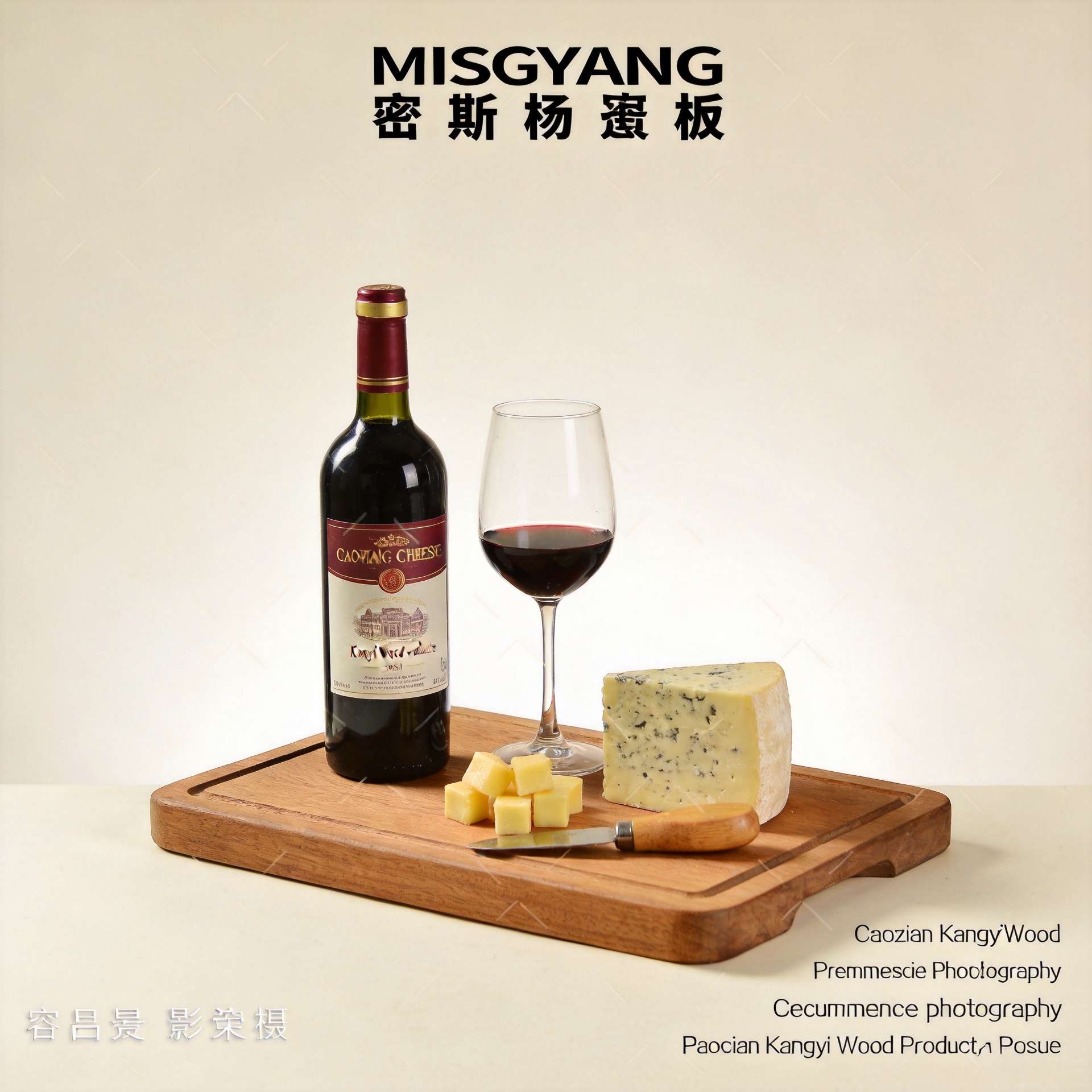
Tabula lignea pro caseo facit ut cibus propositus intentionaliter videatur.
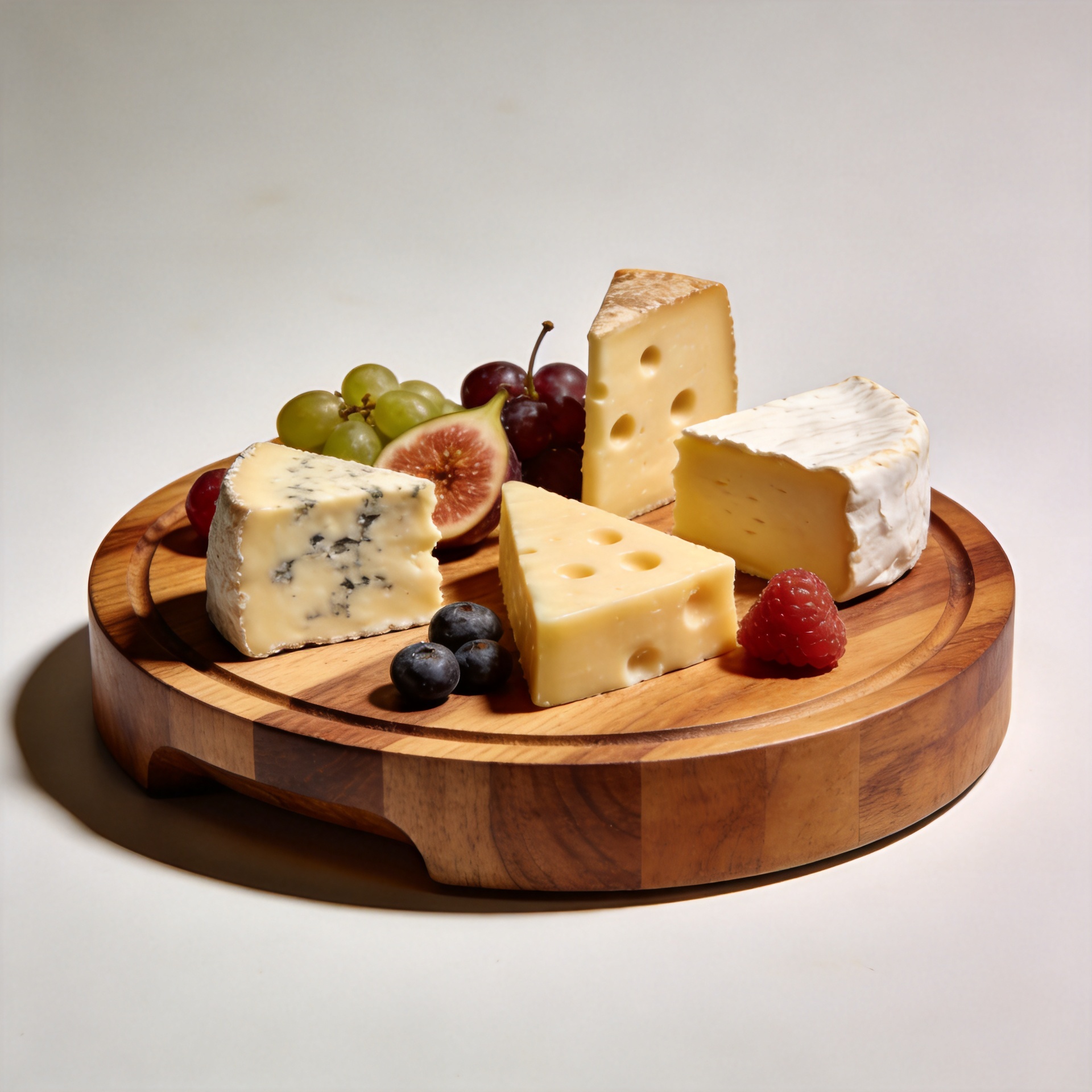
Caseus saepe ordinatur quia colloquium invitat. A Tabula casei lignea gives the kitchen a defined stage for that conversation. The contrast of pale cheese, fruit, cured meat, and bread against visible wood grain helps separate individual elements without relying on disposable liners or a crowded plate. That is a meaningful part of restaurant presentation : the board frames the portion and makes a compact course look considered.
Wood also brings visual warmth that fits wineries and hospitality spaces built around craft, local food, or relaxed entertaining. A board need not be rustic to work; a clean profile and a controlled finish can suit a modern tasting bar just as well. The material simply gives the service a less clinical feel than a plain tray, while leaving the food as the focal point.
It Supports Consistent Charcuterie Display
A repeatable charcuterie display est plus facile à exécuter lorsque la surface de service dispose d’un espace de travail clair. Les chefs peuvent établir une disposition familière pour un seul convive, un couple ou une table partagée. La planche devient une limite visuelle : fromages doux, craquelins, condiments et garnitures restent regroupés plutôt que de se disperser sur une grande assiette.
Cette cohérence aide en période d’affluence. Une Tabula casei lignea peut être proposée en quelques tailles intentionnelles, permettant à la cuisine d’adapter la planche au prix du menu et au nombre prévu de couverts. Elle offre aussi au personnel un point de prise prévisible lors du déplacement d’une planche montée depuis le passe-plat jusqu’à la table. Pour les établissements centrés sur les boissons, la planche peut relier visuellement une dégustation, une bouteille et des accompagnements sans encombrer la surface de la table.
Il y a aussi un avantage commercial utile. Les convives prennent souvent en photo une charcuterie display bien composée. La planche n’est pas la raison principale de la commande, mais elle peut rendre l’offre fromagère plus facilement reconnaissable sur une photo prise dans la salle ou sur une publication issue d’un domaine viticole. C’est l’une des raisons pour lesquelles les pièces de service sont de plus en plus considérées aux côtés des autres producta hospitalaria , non solum ut instrumenta ad usum internum.
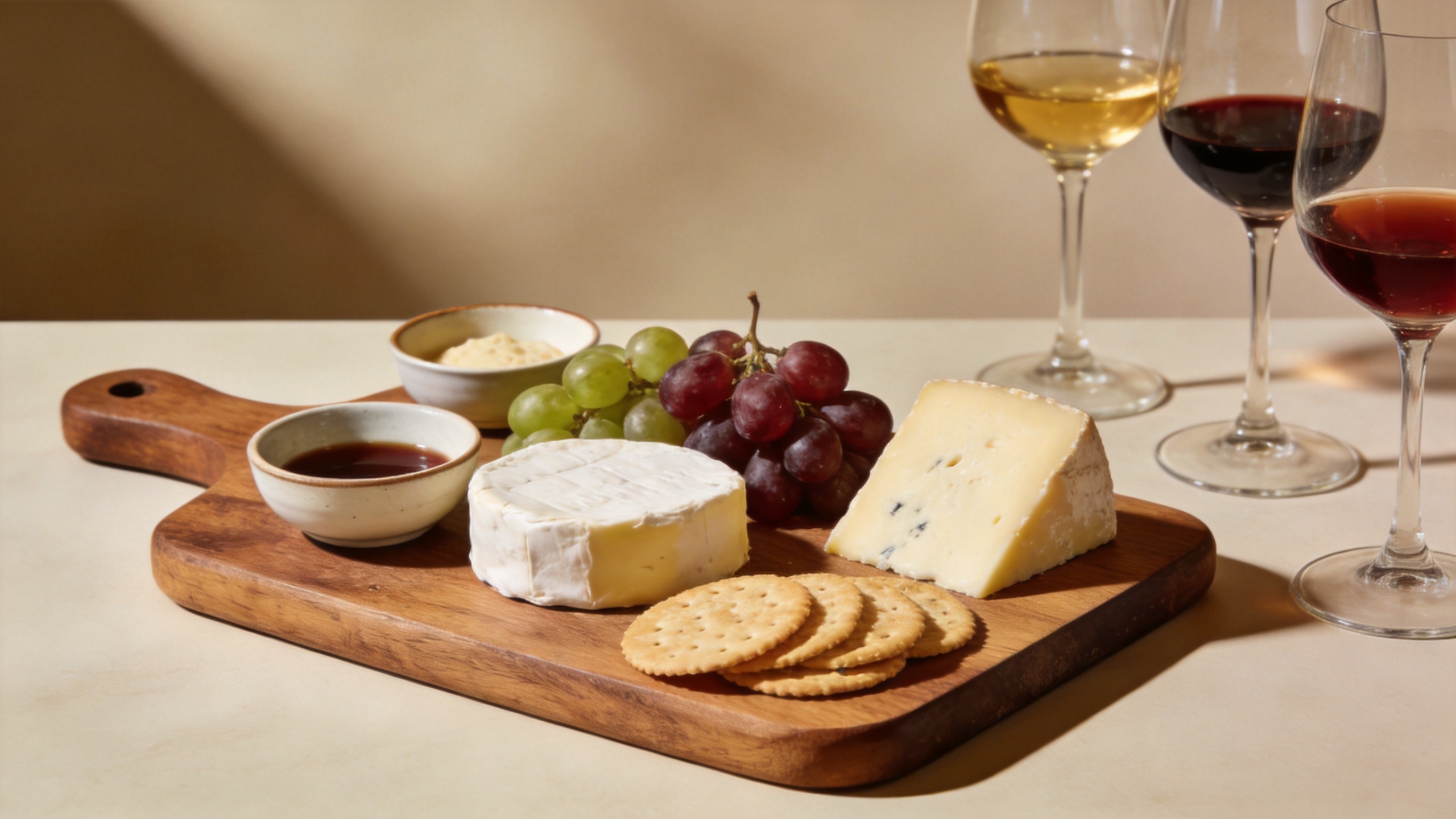
Aequipes servitii aestimant superficiem facile tractabilem
Restauratio non eligit Tabula casei lignea solum propter atmosphaeram. Pondus, forma marginis, crassitudo et adprehensio omnia influunt modum quo servitor eam portat. Tabula quae sensu gravis est sed non onerosa ad levandam facit cursum communem praestantem videri, simul manens tractabilis durante occupato tempore coenandi. Hoc sensu, tabula inter instrumenta functionalia numeranda est accessoria pro vino servando , etiam cum pro ornamento exhibeatur.
Cum evaluandum est Tabula casei lignea , emptores debent tabulam considerare partem fluxus operis. Interroga: quomodo imponetur? ubi siccabitur? an dimensio eius conveniet loco transmittendi? et quot tabulae necessariae sunt in tempore maximo frequentiae? Exemplar speciosum est tantum initium. Res perfecta debet personalem adiuvare, non retardare, in componendo, portando, removendo et restituendo mensam.
Cura et decisiones de contactu cum cibis adhuc magni momenti sunt
A wood serving surface requires a clear care routine. The USDA notes that wooden and plastic cutting boards can be cleaned and sanitized; its general guidance includes washing, rinsing, sanitizing with an appropriate solution, and drying. A Tabula casei lignea used in a restaurant should therefore be assessed against the venue’s own food-safety program, local rules, and cleaning procedures rather than treated as maintenance-free.
That distinction matters: a Tabula casei lignea used purely for finished, ready-to-eat presentation may be managed differently from a board used for raw-food preparation. Buyers should confirm the intended use with the operator, request applicable material and finish documentation, and establish replacement criteria for deeply scored, cracked, or difficult-to-clean surfaces. Periodic conditioning can help preserve the board’s integrity, but it does not replace proper cleaning and inspection.
Why It Works Especially Well for Wineries
At a winery, food is often paired with a story about the pour. A Tabula casei lignea makes that pairing feel cohesive because it offers space for cheese, fruit, nuts, and small notes about a flight without turning the table into a buffet. The result is a slower, more shareable experience that encourages guests to compare flavors at their own pace.
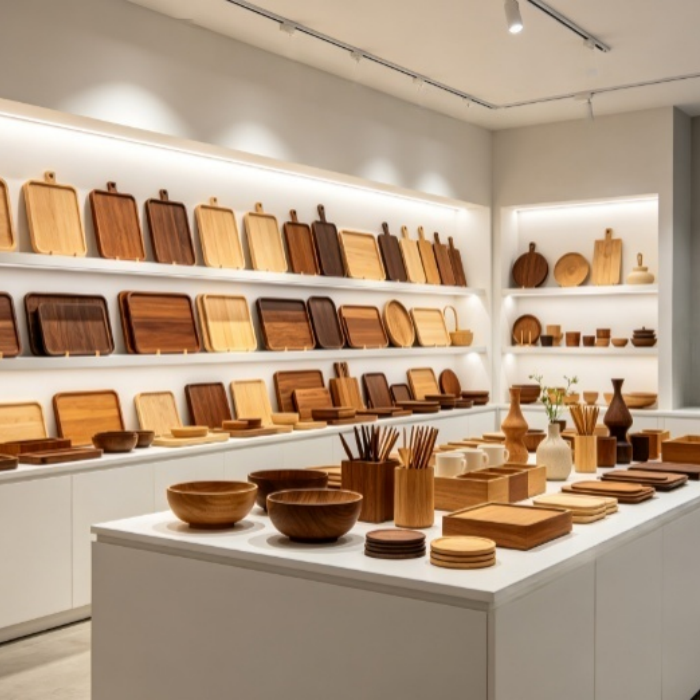
For purchasing teams, a suitable Tabula casei lignea range is often not the most elaborate one. It is a range with clear size logic, stable workmanship, repeatable finish expectations, and packaging suitable for the distribution route. Natural grain variation should be communicated honestly, especially where a venue wants a coordinated restaurant presentation across many tables.
What Hospitality Buyers Should Check Before Ordering
- Intentio usus: Confirmetur utrum Tabula casei lignea is for finished food presentation, preparation, or both.
- Constructio: Inspect flatness, edge finishing, stability, and the quality of any handles or attachments.
- Food-contact documentation: Request relevant information for the material and finish required in the destination market.
- Care communication: Give operators simple cleaning, drying, and inspection guidance.
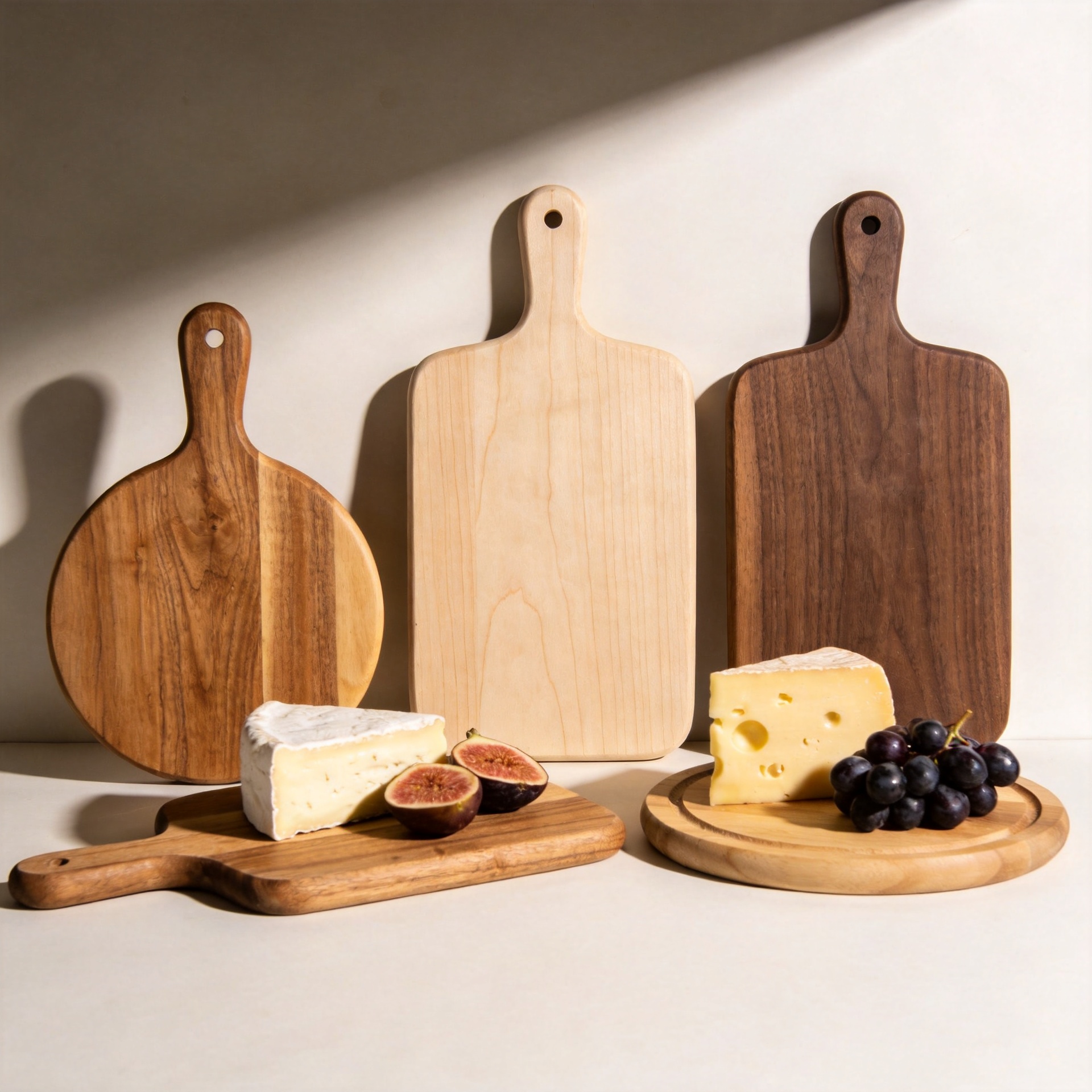
- Assortment logic: Choose sizes that support single, shared, and tasting-flight service rather than duplicating near-identical formats.
Conclusio Ultima
Restaurants and wineries use a Tabula casei lignea because it combines presentation with process. It helps turn cheese into a shareable visual experience, supports an organized charcuterie display , and can fit naturally within practical producta hospitalaria et accessoria pro vino servando . The value is strongest when the board is selected as a service tool: one with an appropriate size, finish, care plan, and quality standard for the venue that will use it.
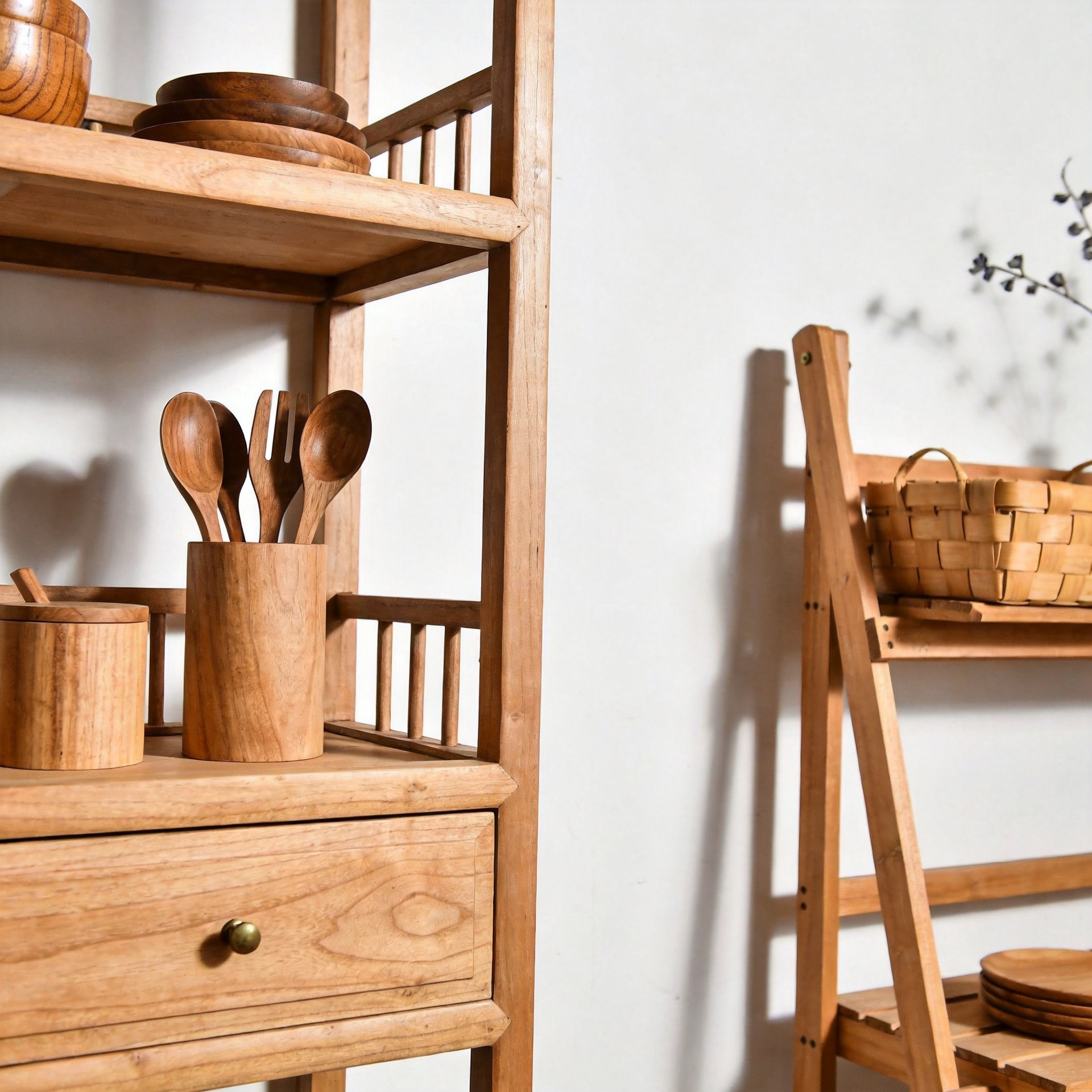
For supermarkets and trading companies developing wooden kitchenware assortments, that service perspective is worth carrying into product selection. Caoxian Kangyi Wood Products Co., Ltd. works across wooden kitchenware, storage racks, and furniture categories, giving B2B buyers a broader woodworking context to discuss when planning a coordinated hospitality or home-entertaining offer.