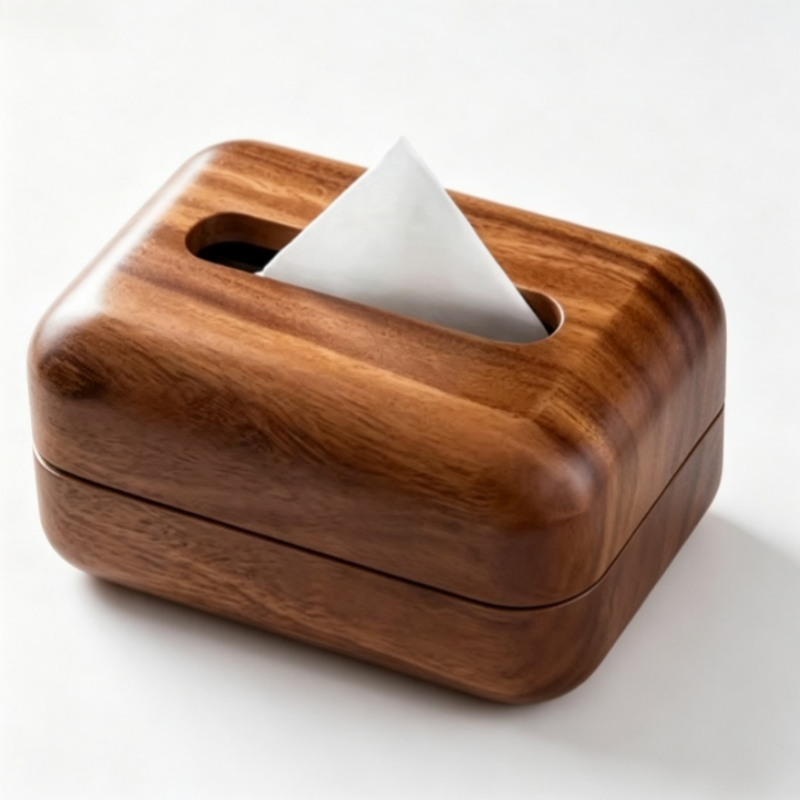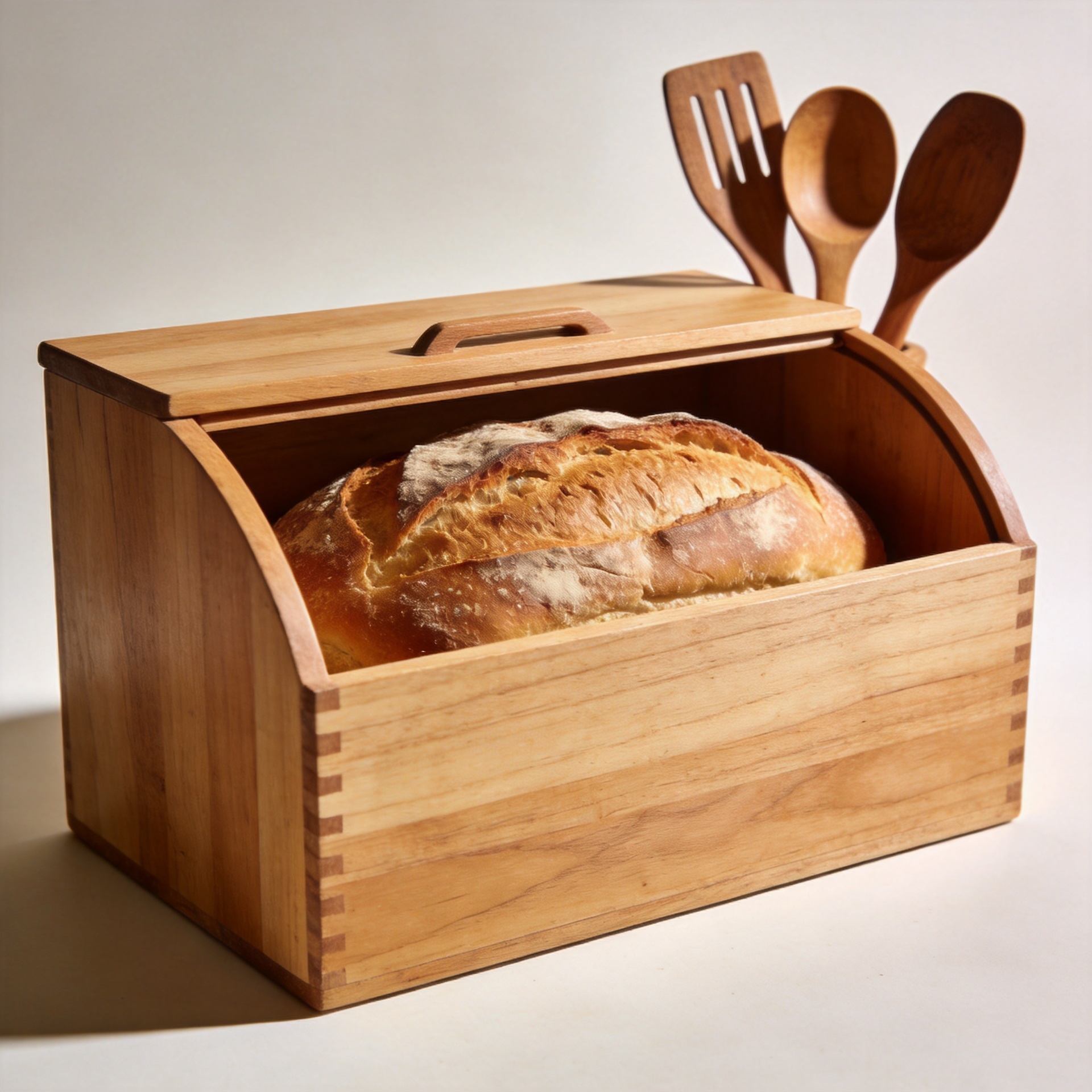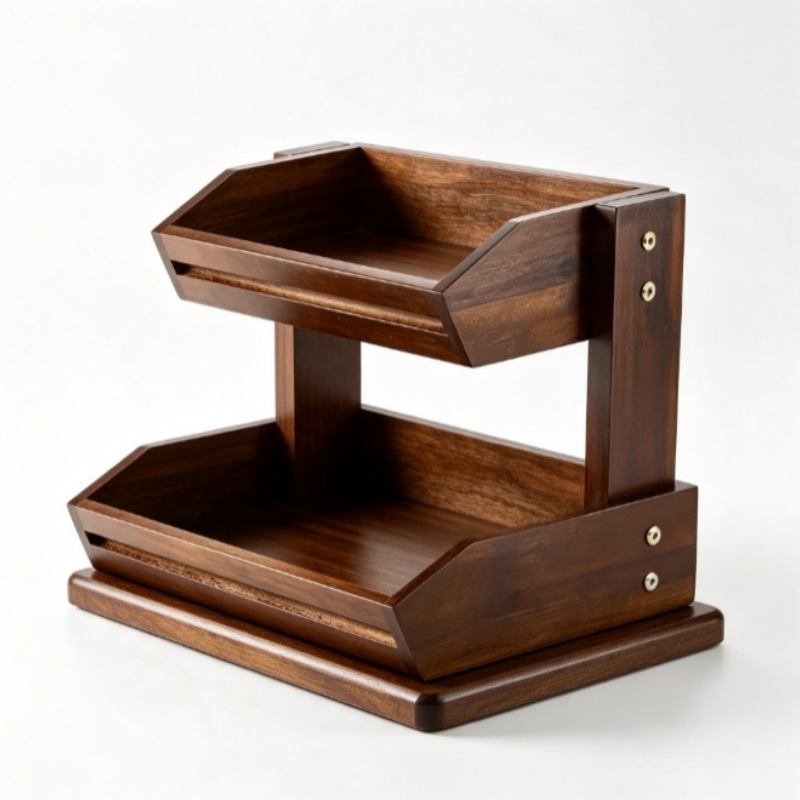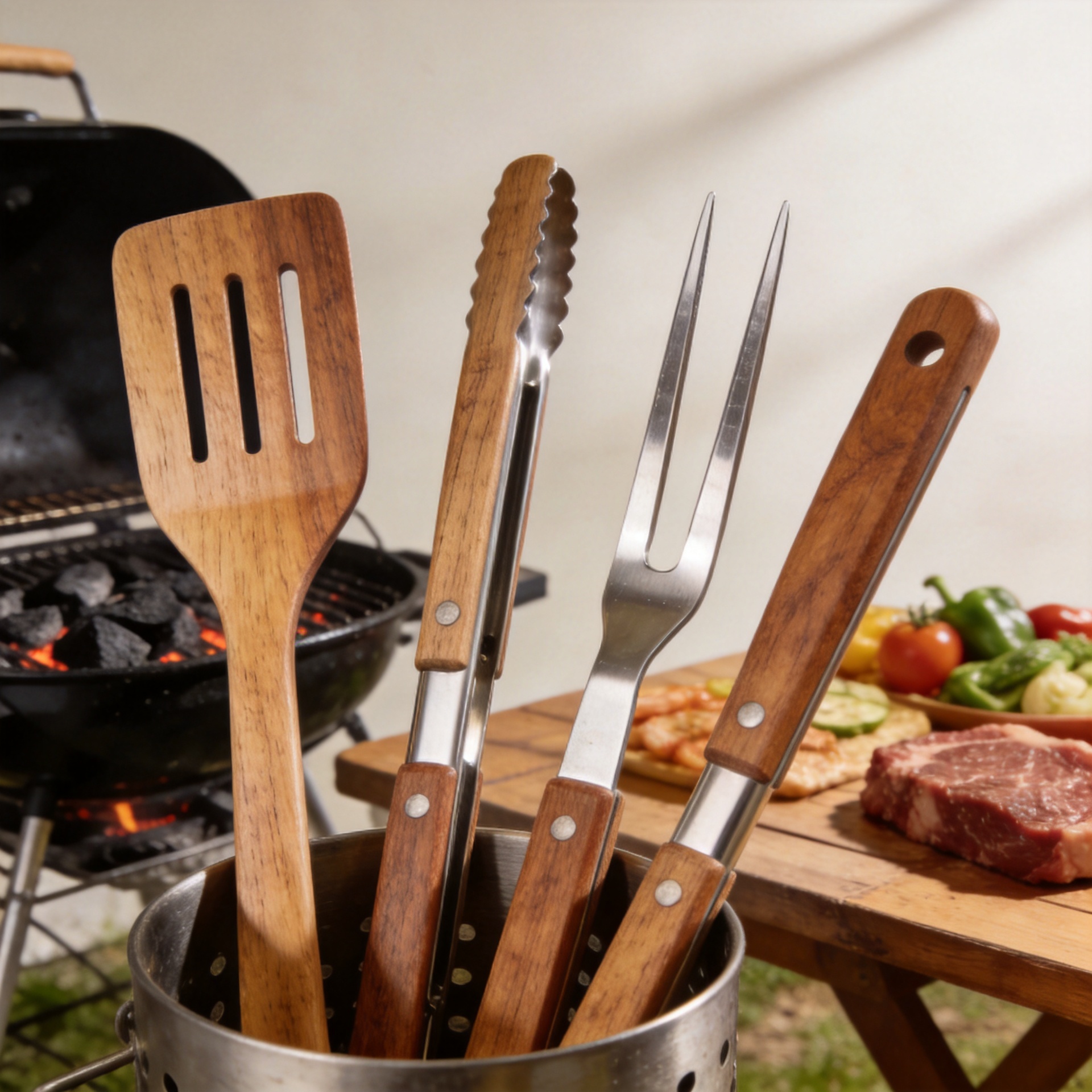
A set of wooden kitchen utensils combines traditional material appeal with practical tools for daily food preparation. Depending on the assortment, products may include cooking spoons, slotted spoons, spatulas, turners, and mixing utensils in complementary shapes and sizes. Wood species, grain structure, handle proportions, and surface finishing influence the appearance and handling characteristics of each piece. For B2B buyers, product development may involve customized utensil combinations, dimensions, finishes, logo placement, and retail packaging, subject to manufacturing capabilities and minimum order requirements. Quality checks should examine smooth surfaces, rounded edges where appropriate, consistent dimensions, and the absence of visible defects that could affect usability. Buyers should also confirm whether the finish is suitable for the intended food-contact application and review the recommended cleaning and drying procedures. Wooden utensils generally require hand washing and thorough drying unless the manufacturer specifies otherwise. Retailers, importers, and distributors can build cohesive kitchenware collections by pairing utensil sets with wooden cutting boards, trays, and storage accessories.