High Quality Wooden Utensils for B2B Buyers [2024]

Welcome to our store!Black Friday Sale!

showlist/high-quality-wooden-utensils, showlist/high-quality-wooden-utensils, 
Inquiry
Inquiry
Customer Perspectives on High Quality Wooden Utensils

Customer Perspectives on High Quality Wooden Utensils

High quality wooden utensils combine practical functionality, natural aesthetics, and carefully finished surfaces for modern kitchens. From stirring spoons and spatulas to ladles and serving tools, each design can support different cooking and food preparation tasks. For retailers, wholesalers, and private-label brands, consistent dimensions and coordinated finishes help create a cohesive kitchenware collection. Woodenky offers wooden kitchenware options for businesses seeking products suited to their market positioning and purchasing requirements. Buyers can discuss wood selection, handle shapes, surface treatment, and packaging based on project needs. By evaluating product samples and confirming specifications before ordering, businesses can make informed sourcing decisions and develop collections that balance appearance, usability, and commercial appeal.
Get A Quote

Case Study

Premium Kitchenware Collections for Homeware Retailers

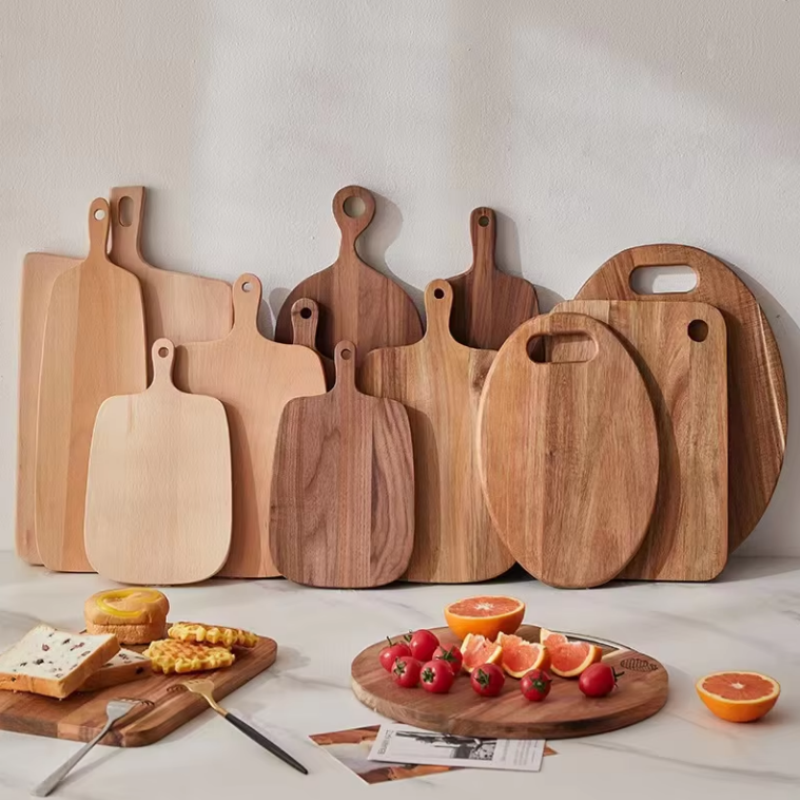
Homeware retailers need utensils that combine attractive presentation with practical everyday use. High quality wooden utensils can complement cutting boards, serving trays, wooden bowls, and other natural kitchen accessories. For example, a retailer building a coordinated kitchenware collection could combine smooth-finished spatulas, stirring spoons, and serving tools in complementary styles. Buyers can evaluate grain appearance, handle comfort, dimensions, and packaging before selecting products for their shelves. Consistency across a collection helps establish a recognizable visual identity and supports merchandising across different price segments. Woodenky can discuss product specifications and customization requirements to help businesses plan assortments suited to their target customers and distribution strategies.

Durable Wooden Utensils for Cooking and Food Preparation

Cooking equipment distributors often seek wooden utensils suitable for everyday meal preparation in homes, restaurants, and catering environments. Spoons, spatulas, and ladles serve different functions, from mixing ingredients to stirring sauces and portioning prepared food. For instance, a kitchen supply business may develop a utensil assortment featuring different lengths and shapes for varied cookware sizes. Product selection should consider surface smoothness, handle proportions, material quality, and appropriate care instructions. Buyers should also verify food-contact suitability and the intended operating conditions before placing orders. A clearly defined specification helps suppliers understand expectations and enables purchasing teams to compare samples against practical requirements.

Private-Label Wooden Utensils for Kitchenware Brands

Private-label brands can use high quality wooden utensils to expand their kitchenware portfolios with natural materials and functional designs. A brand launching a cooking accessories collection, for example, might combine wooden spoons, spatulas, and turners with coordinated packaging and logo presentation. Depending on available manufacturing options, buyers may discuss dimensions, wood species, finishing preferences, and retail packaging. Sample approval provides an opportunity to inspect workmanship and check whether the products align with brand standards. Before production, purchasers should confirm order quantities, acceptable tolerances, customization details, and delivery schedules. This structured process helps importers and distributors plan differentiated collections for their intended markets.

High quality wooden utensils are valued for their natural appearance, practical handling, and versatility across everyday cooking tasks. A carefully selected collection may include stirring spoons, slotted spoons, spatulas, turners, ladles, and serving tools. Each shape serves a different purpose, helping home cooks and professional kitchens prepare, mix, and serve a wide variety of dishes. Woodenky provides wooden kitchenware sourcing options for wholesalers, retailers, distributors, and private-label businesses. Buyers can discuss material preferences, product dimensions, handle designs, surface finishing, and packaging requirements according to their market needs. For example, a retailer developing a natural kitchenware collection may combine wooden utensils with matching chopping boards and serving accessories to create a consistent product presentation. Product quality depends on factors such as wood selection, moisture management, machining accuracy, sanding, and finishing. Smooth surfaces and carefully shaped handles contribute to comfortable handling, while appropriate material selection supports the intended application. Buyers should request samples, review workmanship, and confirm food-contact requirements before placing larger orders. Clear specifications also help align production expectations with brand standards. By planning materials, designs, and packaging together, businesses can build cohesive wooden kitchenware assortments for international markets.

Frequently Asked Questions

What makes wooden utensils high quality?

High quality wooden utensils generally feature suitable wood, consistent workmanship, smooth surfaces, comfortable handles, and appropriate finishing. Buyers should also consider moisture control, product dimensions, and intended use. Reviewing samples and confirming food-contact suitability help businesses evaluate whether products meet their quality expectations and destination-market requirements.
Customization options may include utensil shapes, dimensions, wood species, surface finishes, logo application, and packaging, depending on manufacturing capabilities. Wholesale buyers should provide drawings or reference samples where possible. Confirming minimum order quantities, sample approval procedures, production timelines, and packaging specifications helps establish a clear basis for purchasing.
A versatile collection may include stirring spoons, spatulas, slotted spoons, turners, ladles, and serving utensils. The ideal selection depends on customer preferences, cookware compatibility, and retail positioning. Combining complementary designs and finishes can create a coordinated assortment for kitchenware stores, online retailers, hospitality suppliers, and private-label brands.
Clean wooden utensils promptly using mild detergent and warm water, then dry them thoroughly. Avoid prolonged soaking and follow the supplier's care instructions. Excessive heat and dishwasher cycles can damage some wooden products. Regular inspection and proper storage help preserve surface condition and support longer service life.
Importers should verify wood species, dimensions, surface finish, workmanship, packaging, order quantities, and delivery schedules. They should also confirm food-contact compliance and request relevant documentation for the destination market. Evaluating samples before mass production helps identify specification issues early and reduces the risk of receiving unsuitable products.

Related article

Wooden Storage Rack Materials and Load Capacity Explained.

27

Oct

Wooden Storage Rack Materials and Load Capacity Explained.

Understand wooden storage rack materials, shelf span, joints, and load capacity so you can specify a safer, more dependable shelving system.
View More
What Factors Determine the Quality of a Wooden Dinner Plate?

27

Oct

What Factors Determine the Quality of a Wooden Dinner Plate?

Learn what determines Wooden dinner plate quality, from wood grain and plate thickness to food grade finish checks and supplier QC.
View More
Why Do Professional Kitchens Use Wooden Chopping Boards?

27

Oct

Why Do Professional Kitchens Use Wooden Chopping Boards?

Why professional kitchens choose a wooden chopping board for controlled prep, hygiene routines, durability, and purchasing decisions.
View More
What Is the Best Wood for a Wooden Chopping Board?

28

Oct

What Is the Best Wood for a Wooden Chopping Board?

Compare the best wood for a Wooden chopping board by durability, appearance, construction, and care needs for retail buying.
View More

Customer Testimonials

James Wilson

Well-finished wooden utensils offer an appealing addition to our kitchenware collection. Consistent surfaces, practical designs, and coordinated product options help us develop attractive assortments for everyday cooking and retail display.

Emily Carter

We value wooden utensils that combine natural aesthetics with practical functionality. The range of shapes and customization possibilities makes it easier to plan coordinated kitchenware sets for different customer preferences.

Get a Free Quote

Our representative will contact you soon.
0/1000
Carefully Finished Utensils for Everyday Cooking

Carefully Finished Utensils for Everyday Cooking

The quality of a wooden utensil is reflected in its material selection, shape, surface finish, and overall workmanship. Smoothly sanded surfaces and carefully formed handles contribute to comfortable use, while well-proportioned designs support common tasks such as stirring, mixing, turning, and serving. For example, a cookware retailer can create a coordinated display by combining wooden spatulas, large spoons, and serving tools with similar finishes. Buyers should assess grain consistency, edge smoothness, handle proportions, and finish quality during sample review. Woodenky can discuss product requirements for suitable wooden kitchenware projects, helping businesses evaluate options that align with intended applications, brand standards, and customer expectations.
Flexible Wholesale Sourcing and Private-Label Solutions

Flexible Wholesale Sourcing and Private-Label Solutions

Successful kitchenware sourcing begins with clear specifications and a defined understanding of the target market. High quality wooden utensils can be selected individually or assembled into coordinated product sets for retailers, importers, hospitality suppliers, and private-label brands. Depending on available options, projects may involve different utensil shapes, dimensions, wood materials, surface treatments, and packaging formats. For instance, a distributor serving homeware stores may prioritize versatile everyday tools, while a gift brand may prefer matching utensils presented in retail-ready packaging. Woodenky welcomes discussions about project requirements, sample evaluation, and customization possibilities. Confirming quality criteria, order quantities, and delivery expectations before production helps buyers plan their purchasing process more effectively.