AR

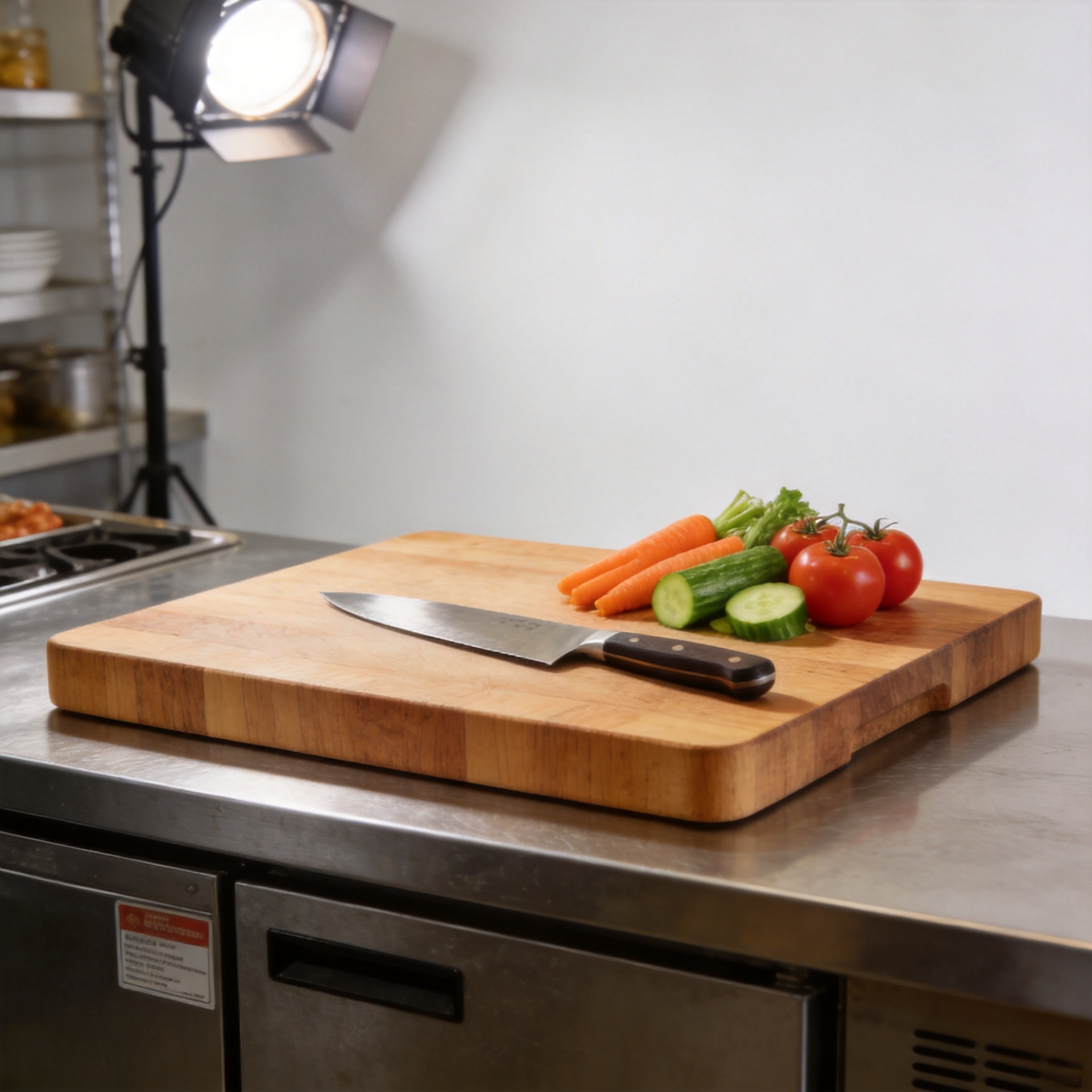
Why Do Professional Kitchens Use Wooden Chopping Boards?
In a busy prep area, a Wooden chopping board is not chosen simply because it looks traditional. Professional cooks and purchasing teams usually weigh knife work, stability, cleaning routines, batch consistency, and replacement cost. A well-specified Wooden chopping board can be a practical surface for vegetable prep, bread, herbs, fruit, and many service tasks—but it only works well when the kitchen manages hygiene and maintenance as carefully as it manages the knives.
The common assumption is that commercial kitchens have moved entirely to plastic because plastic is easier to sanitize. That is incomplete. A Wooden chopping board is also a viable food-contact surface when it is in sound condition and included in a documented wash, sanitize, dry, inspect, and replace routine. The important question is not “wood or plastic?” in isolation. It is whether the board fits the task, the food-safety plan, and the pace of the kitchen.
1. A Wooden Chopping Board Supports Comfortable, Controlled Knife Work
Knife work is repetitive in professional kitchens. Cooks value a surface that stays put, feels solid under a chopping motion, and does not create the harsh feedback associated with glass or stone. A quality Wooden chopping board has enough mass to remain stable on the bench, especially when paired with a damp towel or non-slip mat where local kitchen practice permits.
Many chefs also prefer wood because it is less aggressive in day-to-day cutting contact than very hard, non-yielding surfaces. That does not mean every wooden board preserves an edge equally well; grain orientation, wood species, finish, thickness, and the condition of the surface all matter. Still, for a restaurant cutting board used mainly for produce and cooked foods, the quieter, more forgiving feel can make a long prep shift more comfortable.
In actual use, flatness matters more than marketing language. A board that rocks on stainless steel, has deep splits, or has raised edges creates an avoidable control problem. Before buying a Wooden chopping board, kitchens should check that it sits flat, has usable thickness, and can be lifted and dried safely by the staff who will handle it.
2. Wood Fits a Deliberate Food-Preparation Workflow
A commercial chopping board works most reliably when it has a defined role. One board may be assigned to fruit and vegetables, another to bread or pastry, and another to cooked or ready-to-eat components. Raw poultry, meat, and seafood need separate controls under the kitchen’s food-safety program; a board should not be treated as safe simply because it is made from wood.
USDA guidance makes the operational point clearly: both wood and plastic cutting boards can be sanitized. Its example is a solution of one tablespoon of unscented liquid chlorine bleach per gallon of water, followed by rinsing and drying. The exact chemicals, concentrations, contact times, and recordkeeping for a professional kitchen must follow applicable local rules and the operation’s approved sanitation plan. The useful takeaway is that a Wooden chopping board belongs in a hygiene system, not outside one.
That system starts with immediate debris removal and proper washing, then moves to sanitizing where required, complete drying, visual inspection, and storage that allows air circulation. A food preparation board left wet in a stack is a workflow failure regardless of its material. Likewise, a board with deep grooves, cracks, persistent odor, or a surface that cannot be effectively cleaned should be removed from food-contact service.
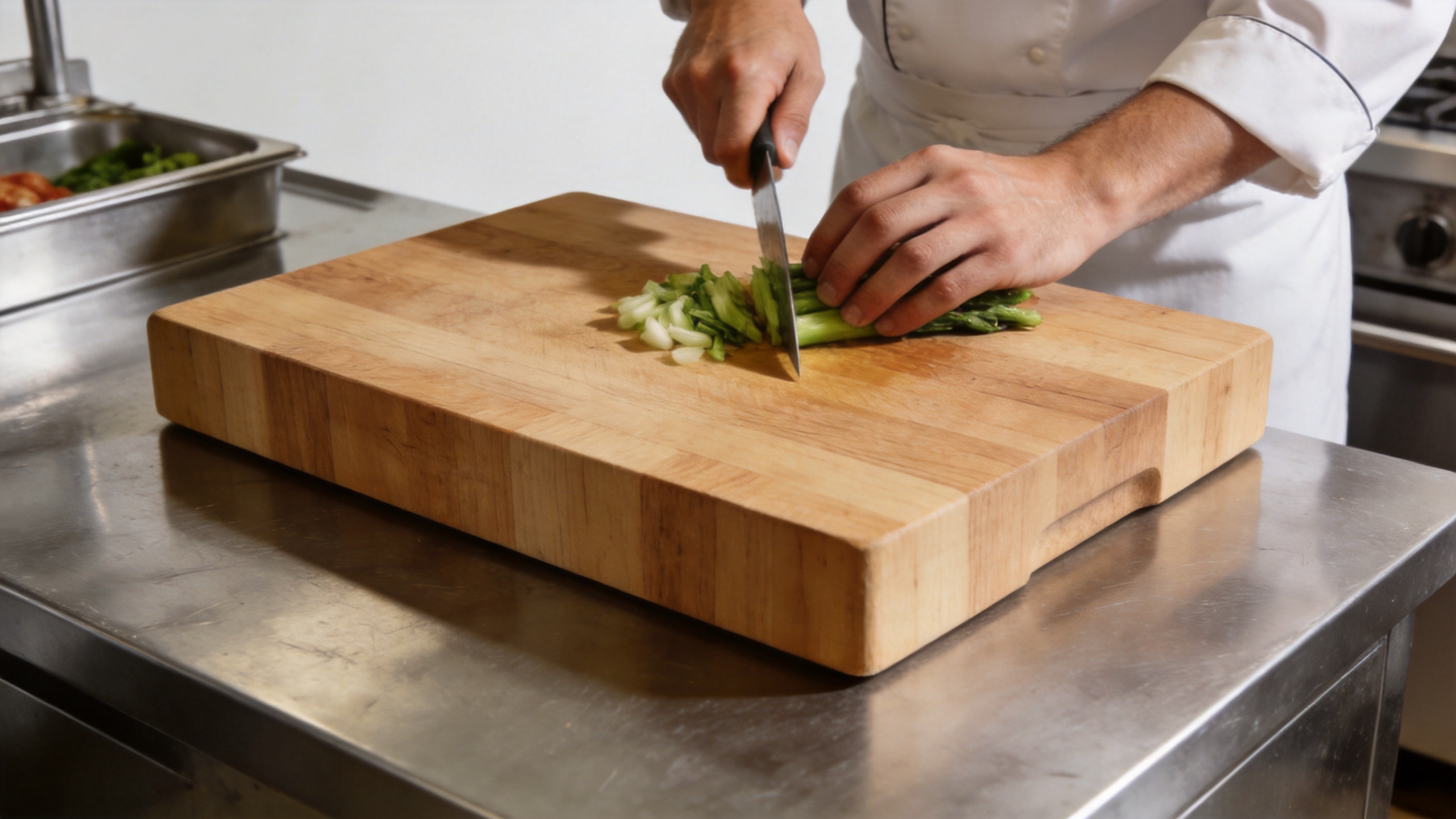
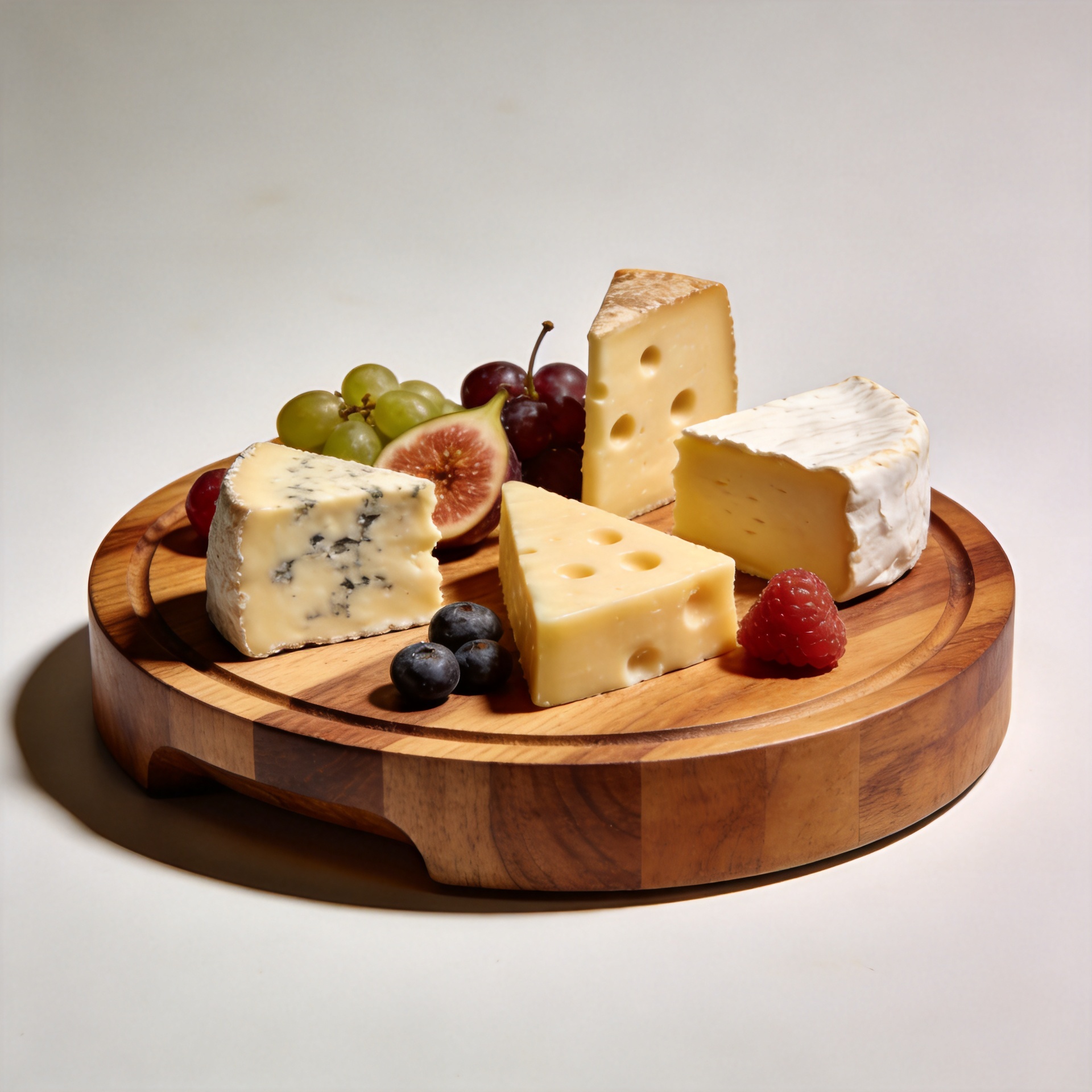
 A wooden chopping board can support steady knife work when cleaning and maintenance procedures are followed.
3. The Right Construction Can Handle Daily Service Better
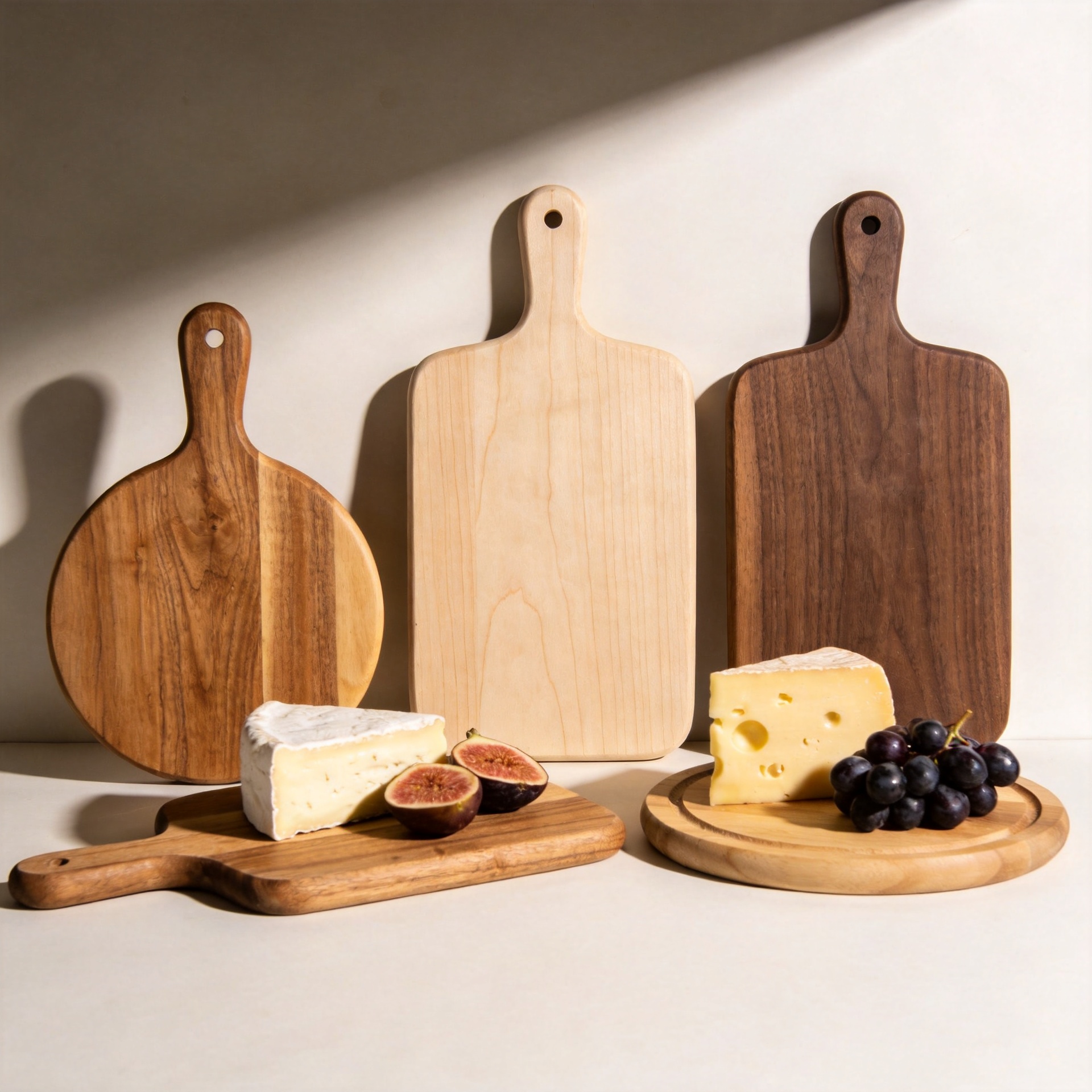
Professional kitchens do not need one universal board. A thinner Wooden chopping board may suit light station work, while a thicker board offers more stability for repeated chopping. Edge-grain and end-grain constructions behave differently in service and have different price points; neither label replaces a physical inspection for flatness, glue-line quality, finish, and edge condition.
For procurement teams, the most useful conversation is about operating conditions. Will the commercial chopping board be washed frequently? Will it move between a prep bench and a service pass? Does the kitchen need matching dimensions for a rack or workstation? Will staff have time to dry and periodically condition the surface? These details determine whether a board remains an asset or becomes another maintenance burden.
Acacia and other dense hardwoods are often considered for wooden kitchenware because their grain, density, and natural appearance suit demanding food-prep environments. But material name alone is not a quality guarantee. Drying, machining, joining, surface treatment, and quality control can be just as important. If a supplier cannot explain how a Wooden chopping board is intended to be cleaned, stored, and assessed over time, buyers should ask for clearer care guidance before committing to a volume order.
4. Durability Depends on Care, Not Just on Wood Species
A Wooden chopping board is a maintainable tool, not a disposable sheet. Correct care helps limit moisture stress and keeps the surface presentable: avoid prolonged soaking, dry promptly on edge or on a rack, and use a food-appropriate conditioning approach when the manufacturer or kitchen procedure calls for it. Dishwasher cleaning is generally unsuitable for wooden kitchenware because repeated high heat and saturation can contribute to warping or splitting.
There is no single universal answer for every operation. A high-volume raw-protein station may need a different board system from a bakery, a salad station, or an open-kitchen line. The practical mistake is selecting a restaurant cutting board for appearance, then expecting it to tolerate a cleaning method or workload it was not designed to handle.
For buyers, a small receiving checklist is useful: confirm the board is flat; inspect grain and glue lines; check for rough edges; ask for cleaning and storage instructions; define the intended food task; and set a replacement trigger for damage. This turns a Wooden chopping board from a decorative purchase into controlled kitchen equipment.
5. Why Wooden Boards Still Matter in Professional Kitchens
Professional kitchens use wooden boards because the material can support steady knife work, a stable prep surface, and an appealing natural presentation while fitting a disciplined care routine. A Wooden chopping board is especially useful where the team values tactile knife control and can manage washing, sanitizing, drying, and inspection consistently.
The appropriate choice is conditional: select board dimensions and construction for the station, separate tasks to reduce cross-contact risk, and purchase from a supplier that provides clear material and care information. When those conditions are met, a Wooden chopping board is not a nostalgic exception in a modern kitchen. It is a practical part of a well-organized food-preparation system.