AR

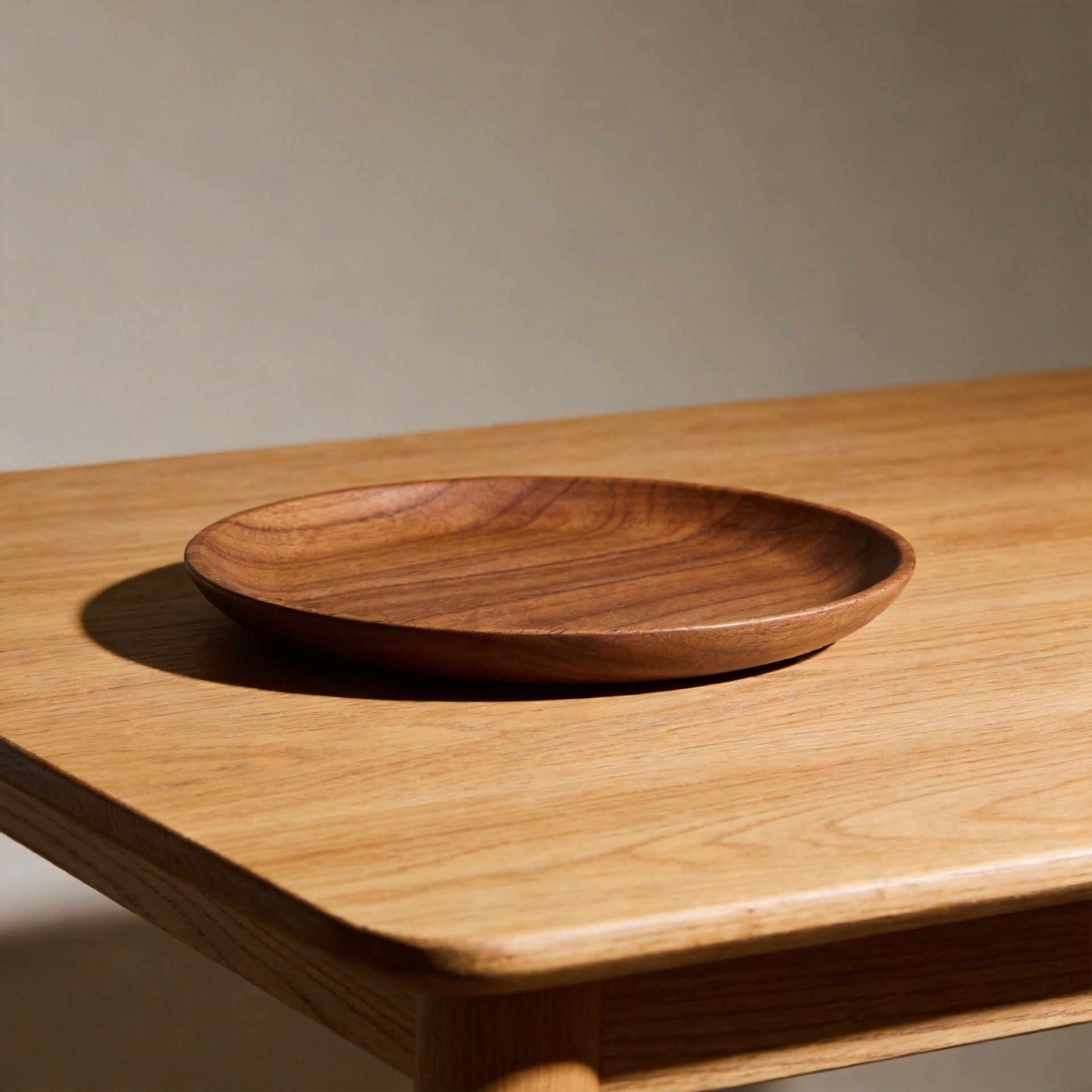
What Factors Determine the Quality of a Wooden Dinner Plate?
A Wooden dinner plate can look premium in a product photo and still perform poorly after a few weeks of handling, washing, and changing humidity. For retail buyers and trading companies, that gap matters: a plate that feels smooth at sampling but warps, cracks, or sheds its finish in use can turn a promising range into returns and replenishment problems. Color is only one clue to wooden plate quality. Material selection, drying, machining, plate thickness, surface treatment, and repeatable supplier controls all have a part to play.
When reviewing a Wooden dinner plate, start with the intended use. Is it primarily a decorative serving piece, a light-duty plate for dry foods, or a repeatedly handled food-service item? One format can cover several occasions, but a plate designed for a display-led retail range is not automatically the right answer for daily commercial use. That distinction should shape the sample brief and the inspection checklist.
Start with the wood species and raw-material grading
The species sets the baseline, but it does not settle the quality question by itself. A dense hardwood such as acacia can offer a substantial feel and good resistance to everyday surface scoring when it is properly processed. Yet no species compensates for poor grading. A high-quality Wooden dinner plate should use stock selected for soundness and stable appearance, not pieces with deep checks, loose knots, soft areas, resin pockets, or abrupt grain changes that may open during use.
Wood grain should look natural rather than identical from plate to plate. Variation in tone and figure is normal in solid wood and can be commercially attractive. The practical distinction is between variation and a defect: deep fissures, pronounced end-grain tear-out, or a grain direction that leaves a thin rim vulnerable to chipping are not simply “character.” Ask to see several samples from the same production batch, not only a hero sample chosen for photography.
Acacia is often grouped with bamboo or other hardwoods in product copy, but the differences in density, grain character, and moisture response affect how a finished plate ages. A good supplier should be able to state the species, whether the piece is solid wood or laminated construction, and what visual variation the buyer should expect across an order.
Drying and conditioning determine whether the plate stays flat
Moisture control is one of the least visible parts of wooden plate quality, but it is often the most consequential. Wood continues to exchange moisture with its surroundings. If the stock is not adequately dried and conditioned before machining and finishing, a Wooden dinner plate may cup, twist, crack, or develop a raised rim after shipment.
There is no single moisture number that is correct for every species, destination, and season. Still, the supplier should measure moisture rather than rely on appearance or drying time alone, and should relate its target to the product’s destination climate. Ask where measurements are taken, how often they are recorded, and whether finished pieces are allowed to stabilize before packing. That conversation is more useful than a generic promise that the wood is “fully dried.”
For a retail range, review plates laid on a flat reference surface. Look for rocking, an uneven foot ring, or gaps under the rim. Then repeat the check on a reasonable sample size. A plate can feel thick and heavy yet still be unstable if the blank was machined before the wood had settled.
Evaluate plate thickness with design and use in mind
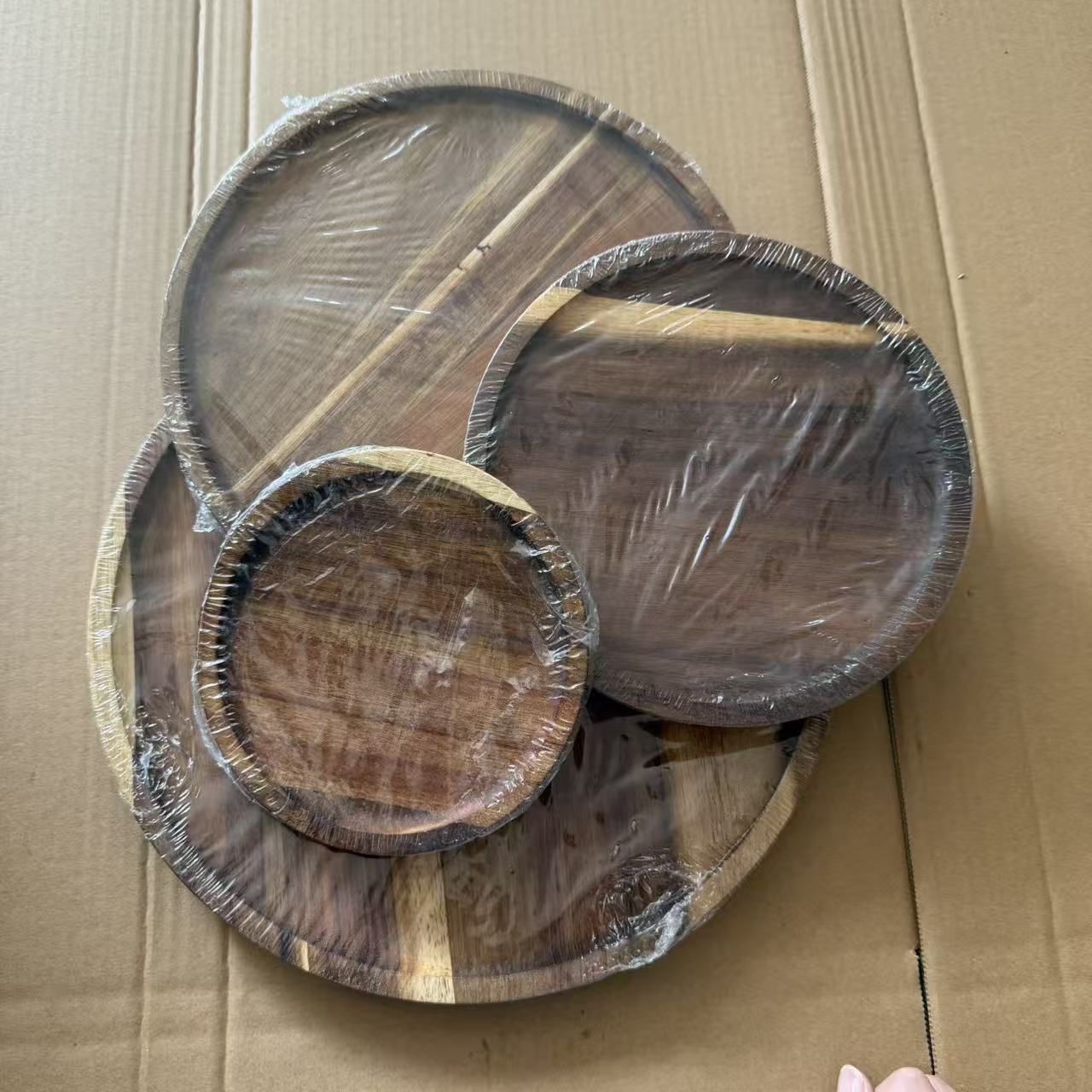
Plate thickness is a quality signal, but thicker is not automatically better. Too little material around the rim can make a Wooden dinner plate feel fragile and increase the chance of chipping. Excessive thickness adds packed weight, raises freight cost, and can make a dinner setting feel clumsy. What matters is balanced geometry: a rim with enough substance, a base that sits flat, and a profile that feels intentional in the hand.
Ask for dimensional tolerances, including diameter, overall height, rim depth, and plate thickness at specified points. Buyers should also inspect consistency across the set. If one plate in a sample group is notably thinner, has a shallower recess, or feels much lighter, the process may lack reliable blank selection or machining control. The same is true of a plate that has a smooth face but a sharp, uncomfortable underside.
Surface preparation reveals real manufacturing care
Run fingertips around the edge and across the serving surface. A quality plate should be evenly sanded, with no splinters, rough end grain, sanding swirls, glue squeeze-out, or abrupt changes in sheen. The finish should feel continuous at the rim, the underside, and any recessed area. These details are easy to overlook in an online image, which is why an in-hand sample and a defined inspection standard matter.
A Wooden dinner plate also needs a finish appropriate to its intended food-contact use. “Food-safe” is not a visual property and should not be accepted as a vague marketing phrase. A food grade finish needs specification: ask what material is used, whether it is suitable for the intended market and use conditions, what curing process applies, and what supporting documentation is available. Buyers should also request clear care instructions. A finish suitable for light serving may still require hand washing, prompt drying, and periodic maintenance; it should be described as dishwasher-safe only when the supplier can substantiate that claim.
Inspect construction, edge strength, and repeatability
Whether a plate is carved from a single blank or assembled from multiple pieces, construction should be transparent. For laminated designs, inspect glue lines for even alignment and a flush surface. For solid-wood pieces, inspect the rim and underside for weak short-grain areas. Neither construction method is automatically superior; the relevant question is whether the design, material, and process suit the diameter and use case.
Repeatability is where a polished prototype becomes a dependable wholesale item. Ask the supplier to define acceptance criteria for flatness, cracks, grain defects, color range, surface smoothness, dimensions, and finish appearance. Then compare the criteria with actual batch samples. For buyers serving supermarkets or trading channels, a photographed sample is only the beginning. Batch photos, pre-shipment inspection records, and an agreed defect standard are far more useful evidence of consistent wooden plate quality.
A practical sample checklist for a Wooden dinner plate
- Confirm the species, solid or laminated construction, and allowed range of wood grain.
- Place each sample on a flat surface and check for rocking, cupping, cracks, and uneven rims.
- Measure diameter, height, and plate thickness at agreed locations rather than relying on a single nominal size.
- Feel the face, rim, and underside for splinters, rough sanding, sharp edges, and inconsistent finish.
- Request the specification and available documentation for the food grade finish before making food-contact claims.
- Review care instructions, packaging protection, and the supplier’s batch-inspection process before confirming a volume order.
The quality decision is about evidence, not appearance alone
The strongest Wooden dinner plate is not necessarily the darkest, glossiest, or heaviest one. It is the plate whose wood is appropriately selected and conditioned, whose dimensions and plate thickness are controlled, whose surface is carefully finished, and whose intended use is backed by clear documentation. Natural variation can be a feature when it is managed honestly; unstable construction and unsupported finish claims cannot.
For a buyer, the final step is simple: turn the points above into a written sample specification and inspect more than one piece. That approach protects product presentation, reduces avoidable quality disputes, and makes it easier to source a Wooden dinner plate that delivers consistent value beyond the first photograph.