Non-Toxic Wooden Cooking Utensils: B2B Wholesale Guide

Welcome to our store!Black Friday Sale!

showlist/non-toxic-wooden-cooking-utensils, showlist/non-toxic-wooden-cooking-utensils, 
Inquiry
Inquiry
Customer Feedback on Non Toxic Wooden Cooking Utensils

Customer Feedback on Non Toxic Wooden Cooking Utensils

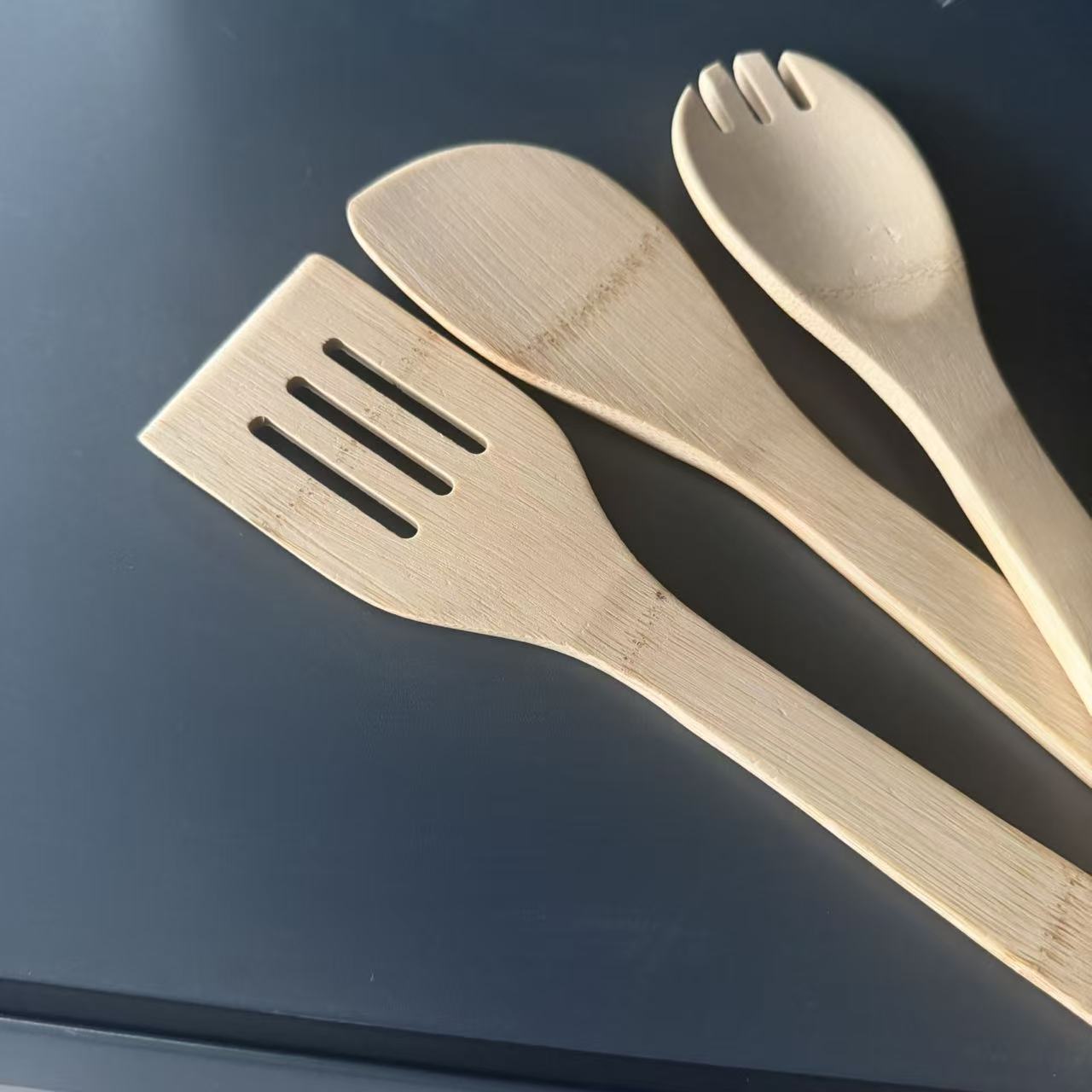
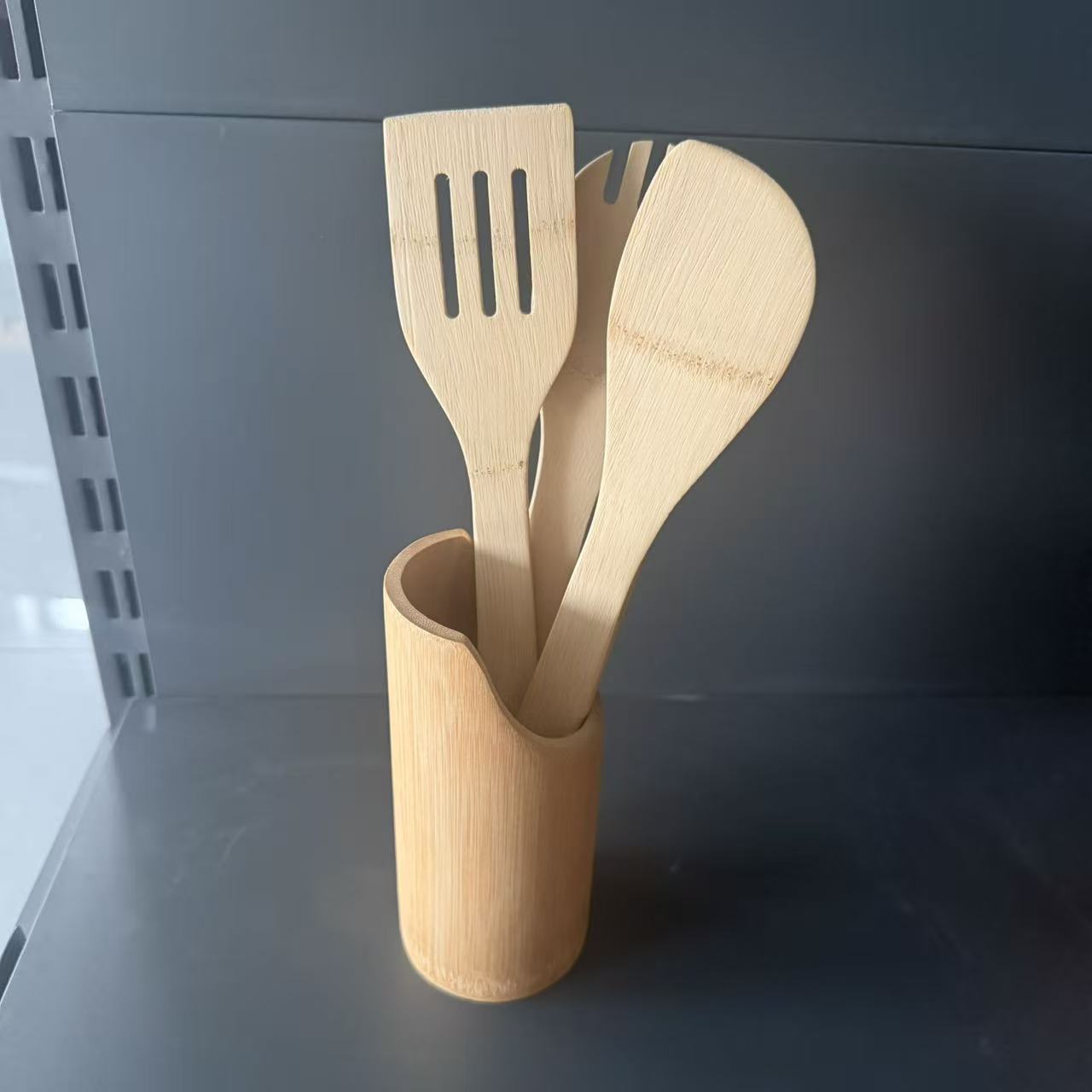
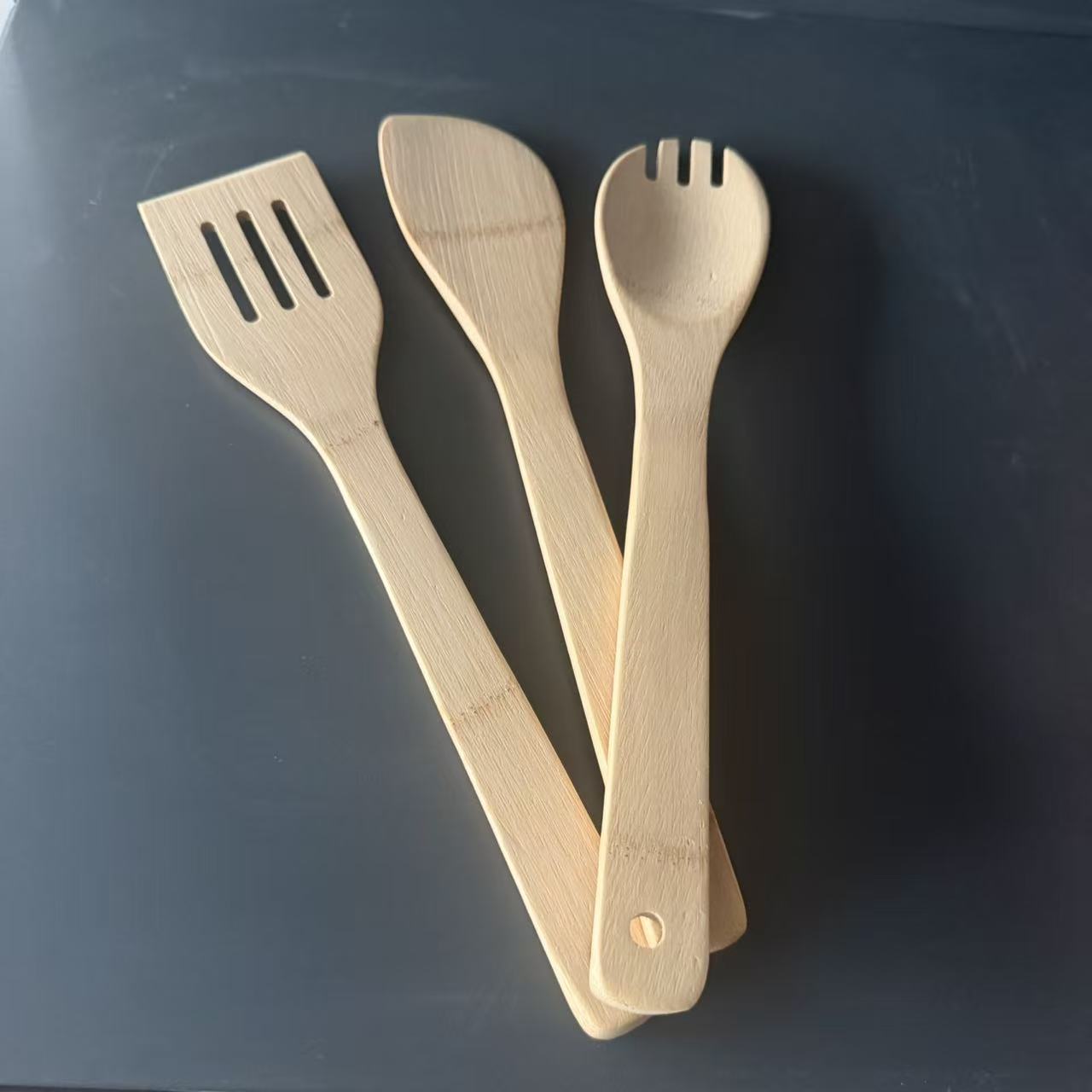
Non toxic wooden cooking utensils offer a practical option for kitchens seeking natural materials and comfortable handling. Wooden spoons, spatulas, and turners are suitable for stirring sauces, folding ingredients, and serving food during everyday meal preparation. Their smooth surfaces and rounded edges support comfortable use, while wooden heads can help reduce scratching on compatible nonstick cookware. As an experienced wooden kitchenware manufacturer, Woodenky can support buyers looking for coordinated utensil collections, customized designs, and consistent product presentation. Material selection, finishing methods, and applicable safety requirements should be confirmed for each specification. For retailers and distributors, versatile wooden utensils create opportunities to serve home cooks, specialty kitchenware stores, and hospitality-related markets.
Get A Quote

Case Study

Wooden Utensil Sets for Homeware Retailers

Homeware retailers need kitchen tools that combine practical functionality with an appealing natural appearance. Non toxic wooden cooking utensils can complement cookware, cutting boards, and kitchen storage products in coordinated collections. A five-piece set, for example, may include spoons, spatulas, and turners designed for different cooking tasks. Buyers can evaluate wood species, handle shapes, surface smoothness, and packaging options according to their target market. Woodenky can discuss customization requirements to help retailers develop collections aligned with their merchandising strategies. Before marketing products as non toxic, purchasers should verify applicable material documentation and finish specifications. This approach supports more transparent product positioning and dependable purchasing decisions.

Custom Kitchenware Collections for Private Labels

Private-label brands often seek recognizable kitchen accessories that reflect their positioning and customer expectations. Wooden cooking utensils provide opportunities to customize shapes, dimensions, wood finishes, packaging, and branding details. A coordinated collection of three to six utensil styles can help a brand create a unified product presentation across online stores and physical retail shelves. Woodenky can work with buyers to discuss product specifications and customization possibilities before production. Sample evaluation is useful for checking handle comfort, surface quality, and functional performance. By establishing clear acceptance criteria and confirming applicable safety requirements, importers can improve purchasing consistency and prepare more informative product descriptions for international customers.

Non toxic wooden cooking utensils combine traditional craftsmanship with practical kitchen functionality. Woodenky offers wooden kitchenware solutions for buyers exploring spoons, spatulas, turners, and coordinated utensil sets for retail and wholesale markets. Product development can consider wood selection, utensil dimensions, handle ergonomics, surface finishing, and packaging requirements to match different customer preferences. For everyday cooking, wooden utensils are useful for stirring soups, mixing ingredients, turning vegetables, and serving prepared dishes. Their natural appearance complements contemporary, rustic, and minimalist kitchen collections. Wooden tools may also help protect compatible nonstick cookware from scratching when used appropriately, although performance depends on the utensil design and cooking conditions. For international distributors and private-label brands, customization can include product shapes, sizes, finishes, and branding arrangements, subject to manufacturing feasibility. Buyers should confirm available materials, production specifications, minimum order quantities, and quality inspection procedures before placing orders. The term non toxic should be supported by appropriate documentation for the actual product, including any coatings or finishes. Clear care instructions and verified product information help retailers build customer confidence while presenting wooden cooking utensils as functional, natural-looking additions to modern kitchens.

Frequently Asked Questions

What makes wooden cooking utensils suitable for everyday food preparation?

Wooden cooking utensils offer comfortable handling and a natural appearance for everyday kitchen tasks. Their suitability depends on the wood species, construction, surface finish, and maintenance requirements. Buyers should confirm that materials and finishes are appropriate for food contact and request supporting documentation before making safety-related product claims.
Woodenky can discuss customization options based on project requirements, including utensil shapes, dimensions, finishes, packaging, and branding. Available options depend on the product design and manufacturing feasibility. Buyers should confirm minimum order quantities, samples, lead times, and quality requirements with the supplier before finalizing a private-label kitchenware order.
Wooden utensils are often selected for use with compatible nonstick cookware because their surfaces can be less abrasive than metal tools. However, suitability depends on the utensil's condition and the cookware manufacturer's instructions. Avoid using splintered or damaged tools, and replace utensils that develop cracks or rough edges.
Wash wooden utensils promptly with mild detergent and warm water, then dry them thoroughly. Avoid prolonged soaking and follow the manufacturer's instructions regarding dishwasher use. Where recommended for the particular wood and finish, occasional treatment with a suitable food-contact mineral oil may help maintain the surface and reduce excessive drying.
Importers should confirm wood species, surface treatments, food-contact suitability, product dimensions, packaging, and quality inspection requirements. Request relevant test reports or compliance documents where applicable. Any non toxic or safety claim should match the actual product and destination-market regulations rather than relying solely on general descriptions of natural wood.

Related article

What Is the Best Wood for a Wooden Bowl?

27

Oct

What Is the Best Wood for a Wooden Bowl?

Find the best wood for a wooden bowl by comparing acacia, maple, walnut, cherry, durability, finish, and everyday care.
View More
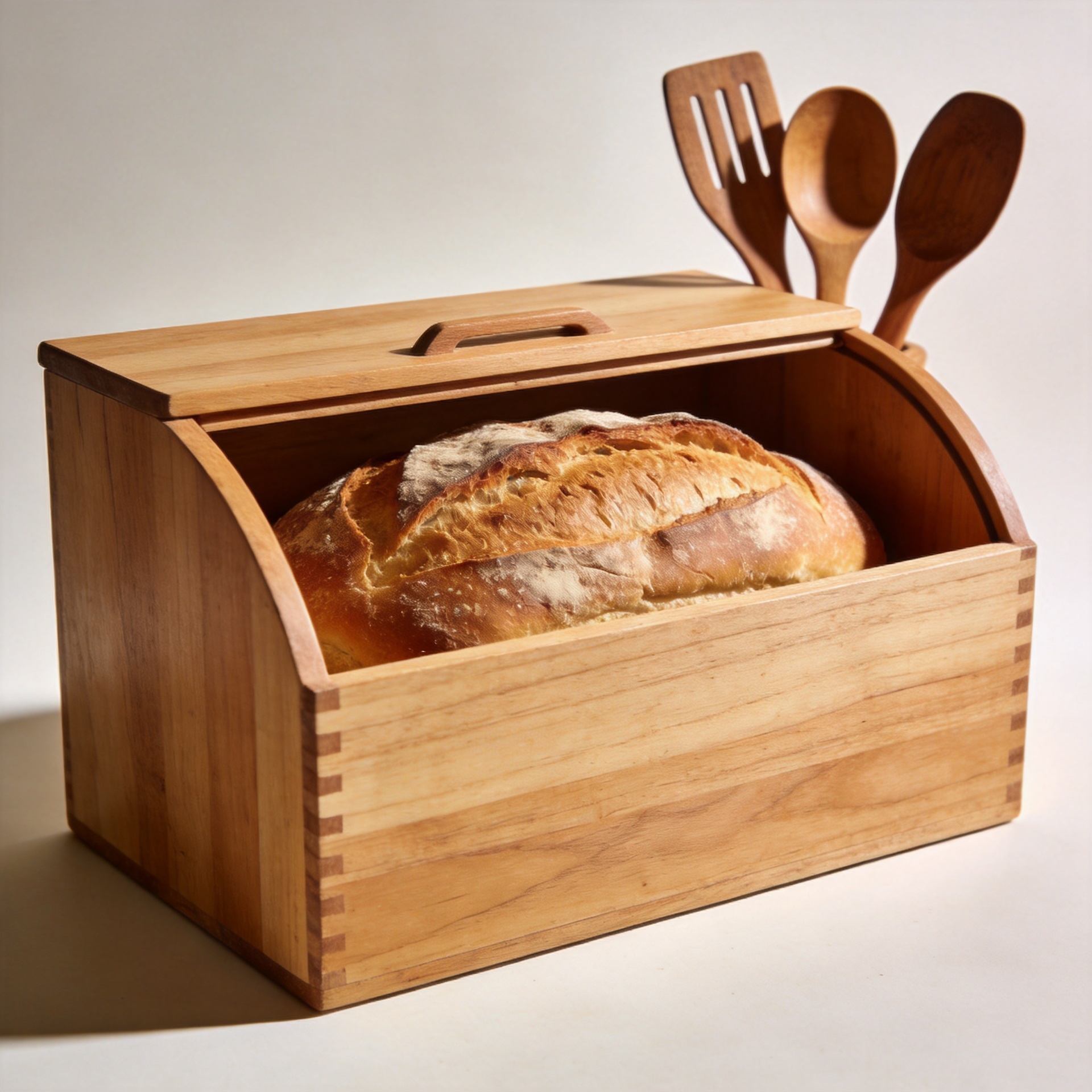
How to Keep Bread Fresh in a Wooden Bread Storage Box?

27

Oct

How to Keep Bread Fresh in a Wooden Bread Storage Box?

Keep loaves fresher with a wooden bread storage box: practical airflow, placement, cleaning, and freezing tips for every bread type.
View More
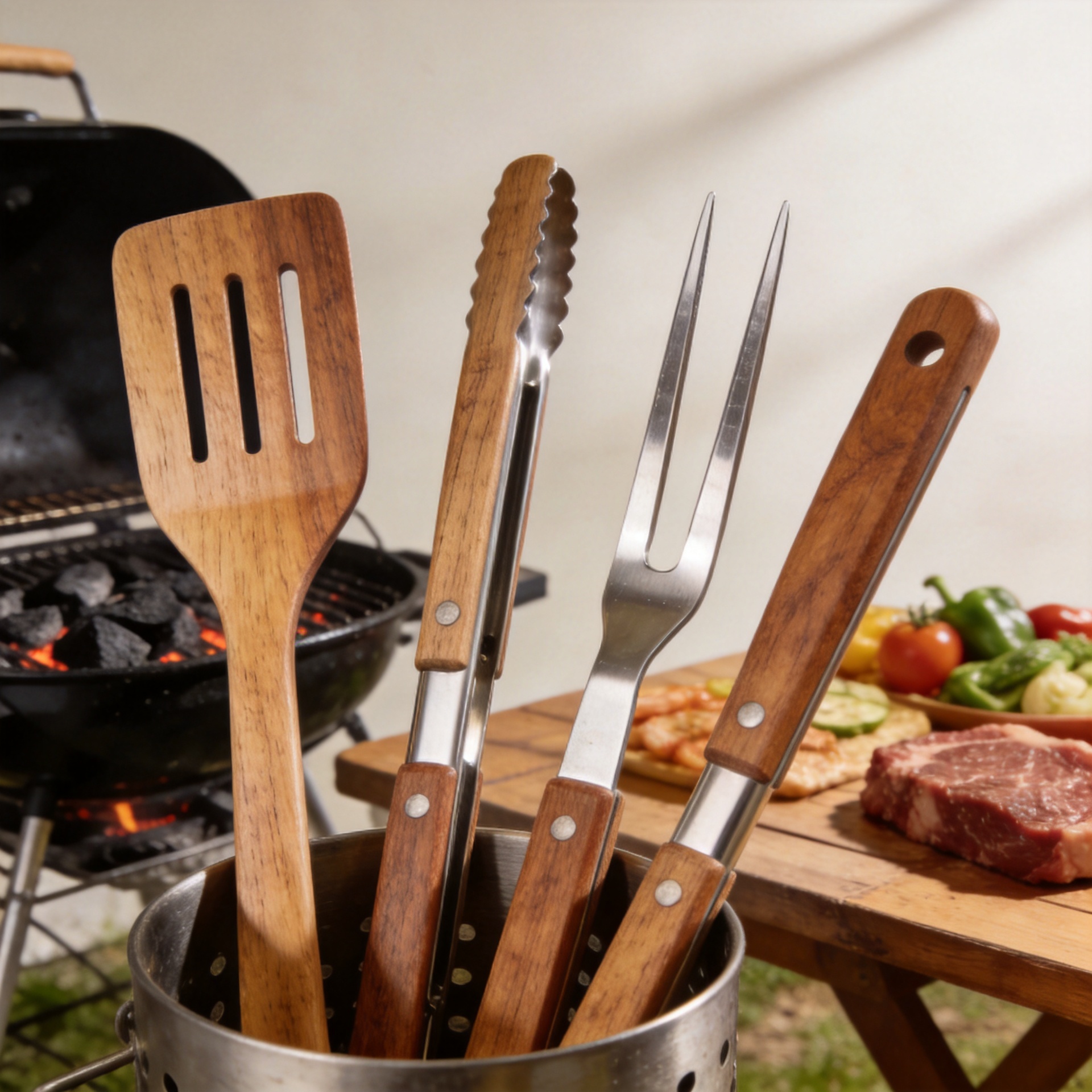
How to Choose Wooden Barbecue Tools for Outdoor Cooking?

28

Oct

How to Choose Wooden Barbecue Tools for Outdoor Cooking?

Choose wooden barbecue tools with a practical buyer checklist for materials, construction, care, safety, and outdoor use.
View More
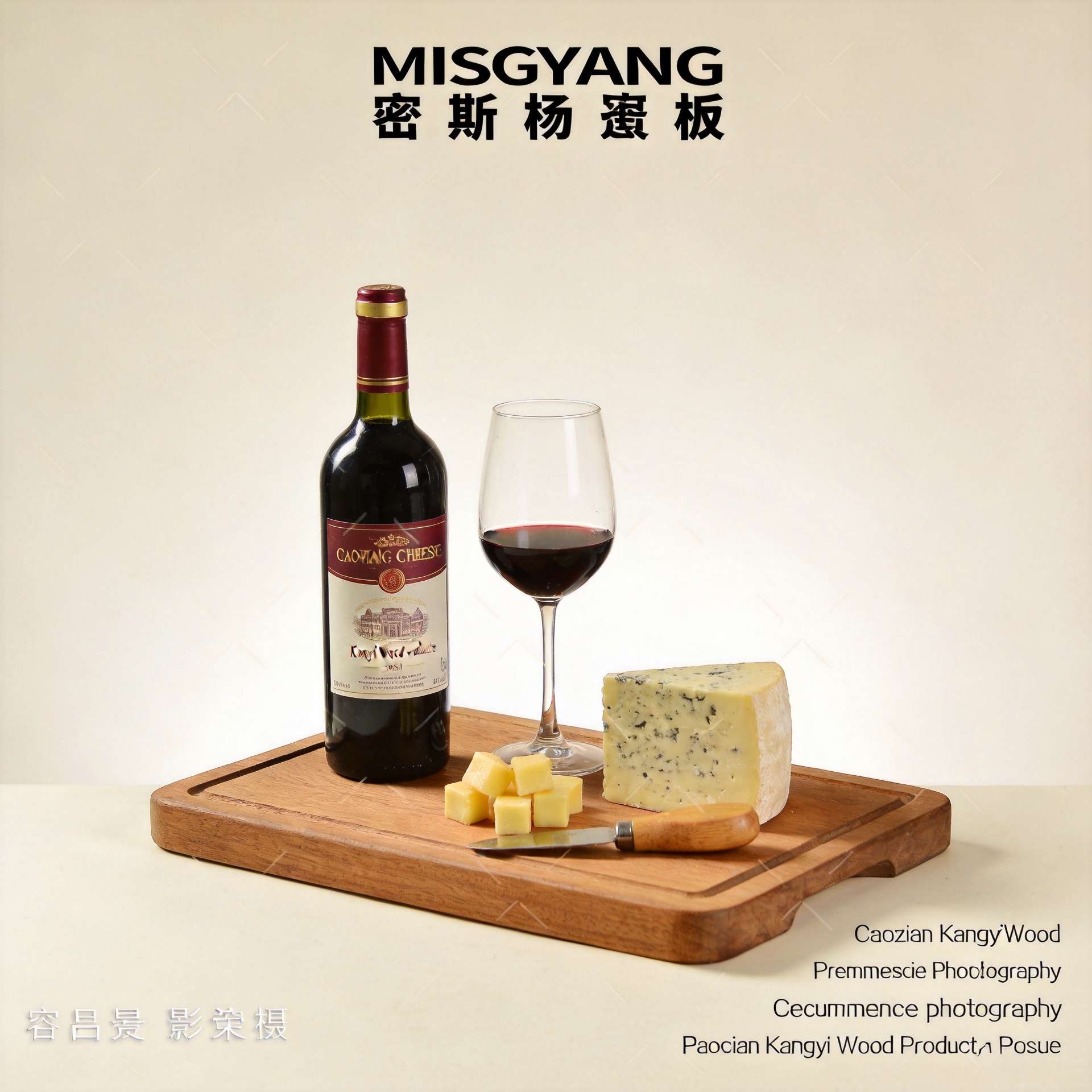
Why Do Restaurants and Wineries Use Wooden Cheese Boards?

28

Oct

Why Do Restaurants and Wineries Use Wooden Cheese Boards?

Discover why restaurants and wineries choose a Wooden cheese board for polished presentation, efficient service, and memorable pairings.
View More

Customer Testimonials

Emily Carter

Our retail collection features wooden cooking utensils with smooth finishes and practical designs. Customers appreciate their comfortable grip and suitability for everyday meal preparation, from stirring sauces to serving vegetables.

Daniel Brooks

We value the versatile designs and natural wood appearance. These utensils complement modern kitchen collections and provide retailers with attractive options for customers seeking practical alternatives to plastic cooking tools.

Get a Free Quote

Our representative will contact you soon.
0/1000
Carefully Finished Surfaces for Everyday Kitchen Use

Carefully Finished Surfaces for Everyday Kitchen Use

Surface quality influences both the appearance and usability of wooden cooking utensils. Smoothly finished handles can improve grip comfort, while carefully shaped edges help utensils feel practical during stirring, mixing, and serving. For a retail assortment, buyers might compare three essential styles: a rounded spoon for sauces, a flat spatula for sautéing, and a broad turner for lifting vegetables. Each design should be evaluated for balance, dimensions, surface consistency, and ease of cleaning. Woodenky can discuss finishing preferences and product specifications with wholesale customers developing their own collections. Final acceptance standards should be agreed upon before production, with inspection procedures suited to the selected wood, finish, and intended application.
Flexible Customization for Wholesale Kitchenware Programs

Flexible Customization for Wholesale Kitchenware Programs

Wholesale buyers often need kitchenware that reflects their brand identity while meeting practical requirements across different markets. Wooden cooking utensils offer customization opportunities through handle profiles, utensil dimensions, wood appearance, packaging, and private-label presentation. A collection containing four complementary utensil designs can provide a consistent starting point for retailers building a coordinated kitchen range. Woodenky can review product concepts, target quantities, packaging preferences, and inspection expectations with prospective buyers. Material availability and customization feasibility should be confirmed before sampling and production. For international orders, clearly documented specifications help align supplier and buyer expectations, while appropriate product testing and accurate labeling support responsible marketing of utensils intended for food preparation.