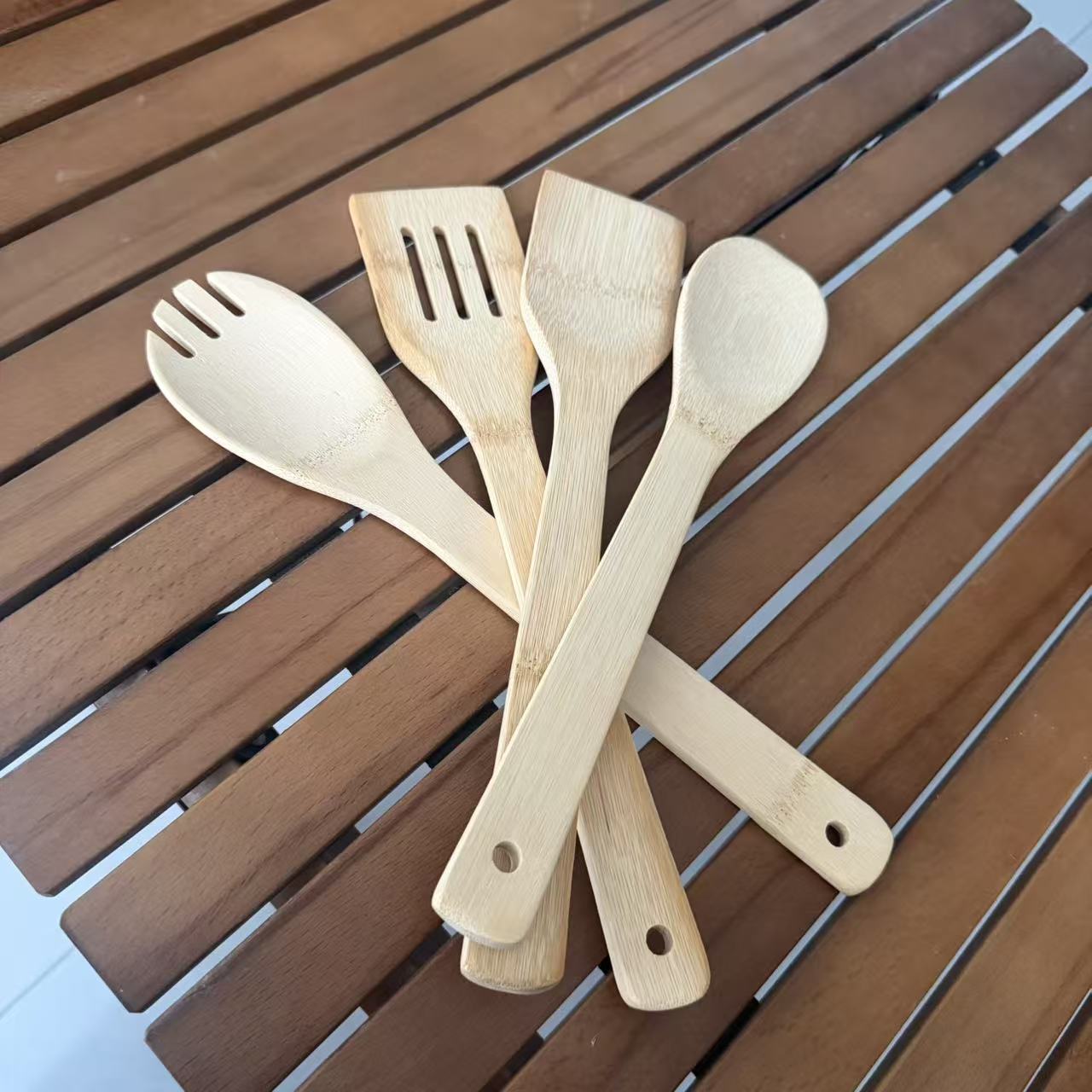
Wooden Spoon Spatula Set: Custom B2B Kitchen Utensils

Welcome to our store!Black Friday Sale!

showlist/wooden-spoon-spatula, showlist/wooden-spoon-spatula, 
Inquiry
Inquiry
Customer Feedback on Wooden Spoon and Spatula Sets

Customer Feedback on Wooden Spoon and Spatula Sets

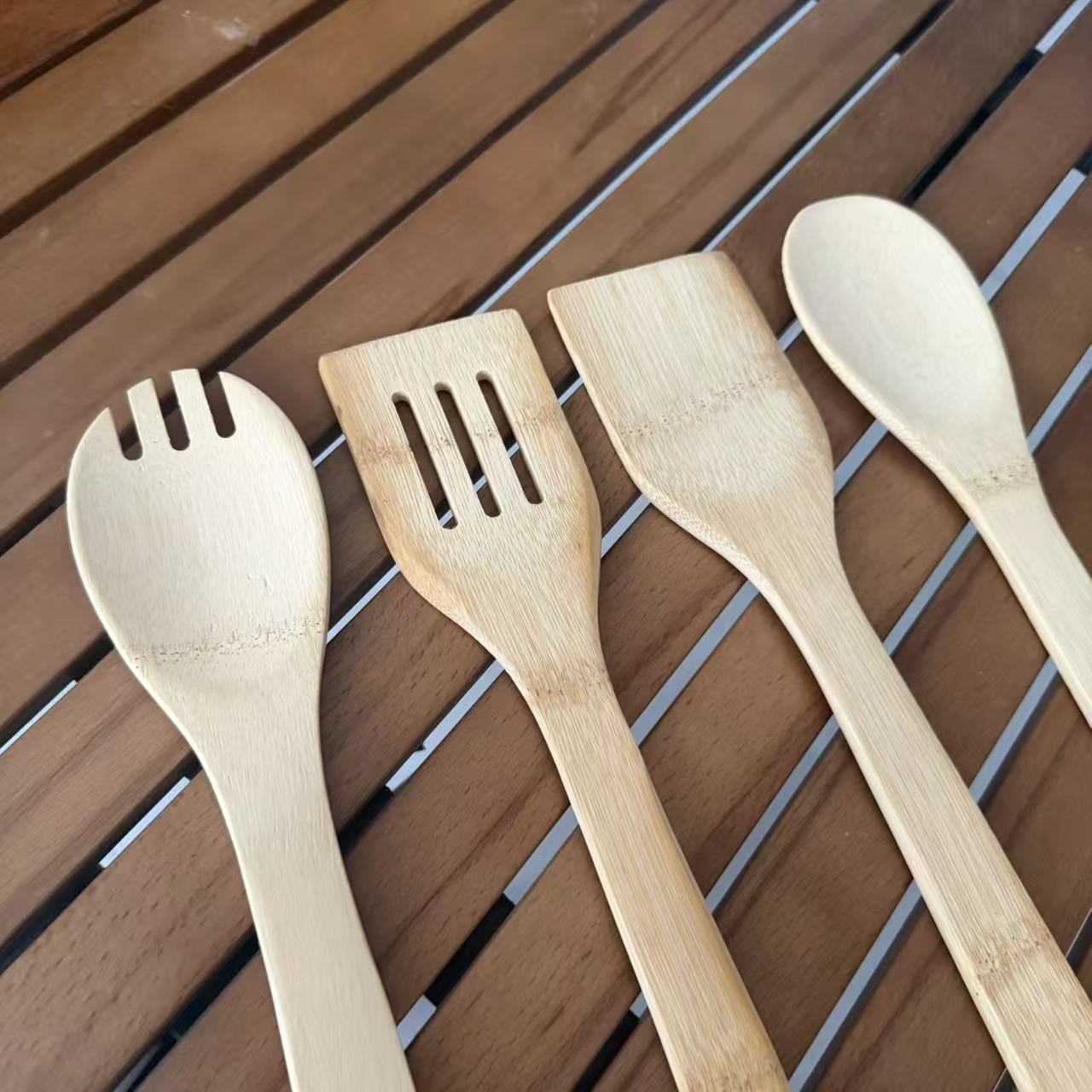
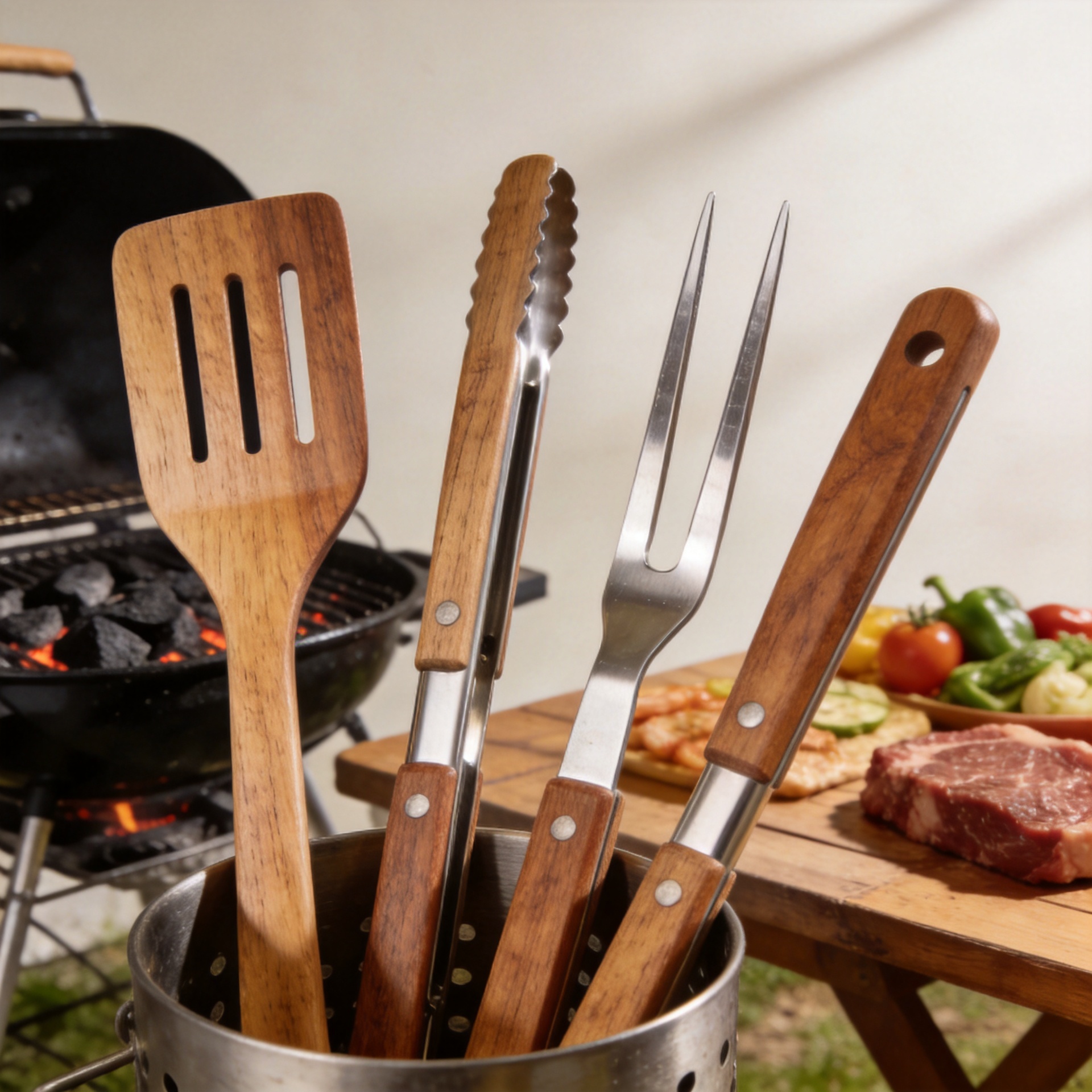
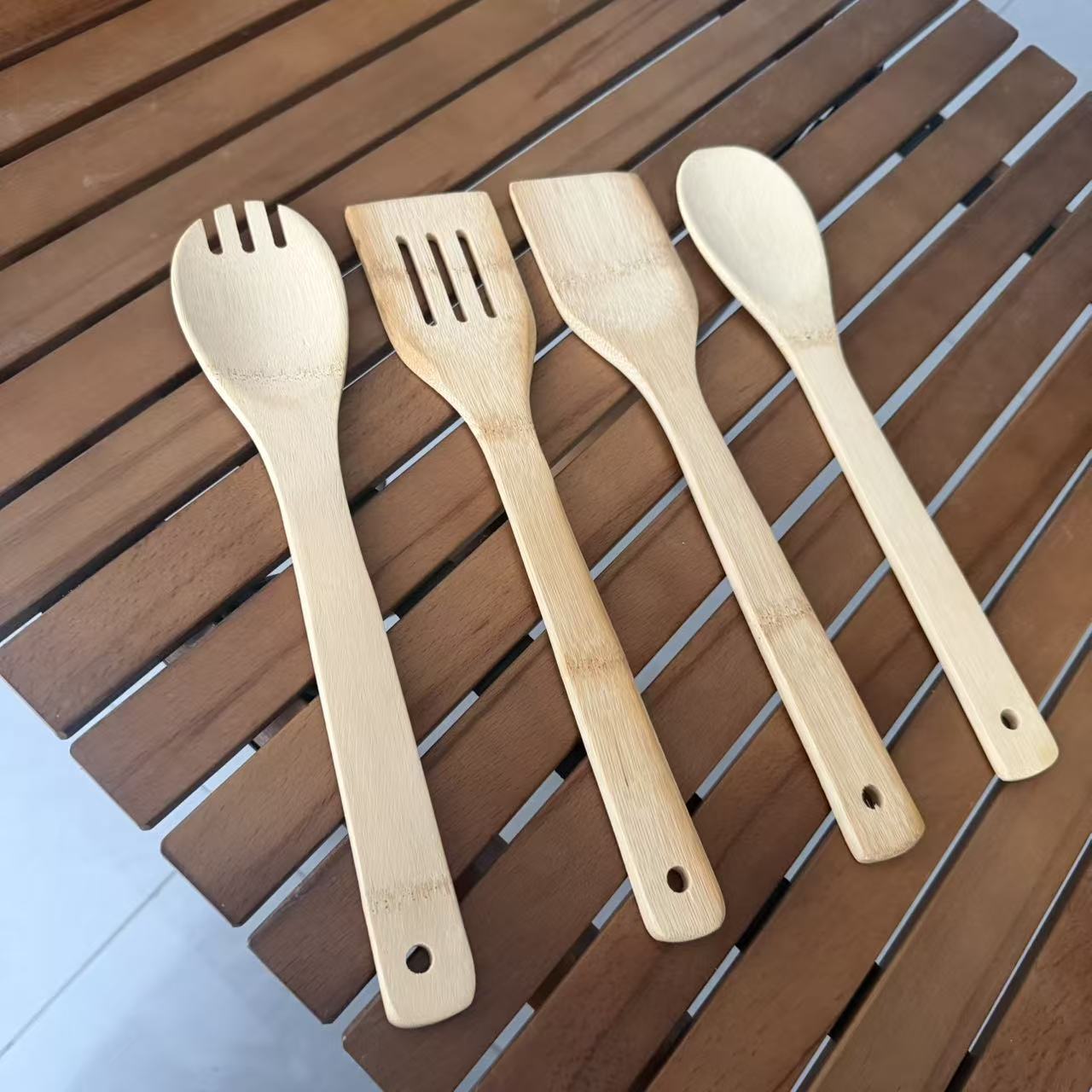
Wooden spoon and spatula sets combine practical functionality with the natural appeal that modern kitchenware buyers appreciate. Designed for stirring sauces, folding ingredients, sautéing vegetables, and serving cooked dishes, these utensils suit home kitchens, restaurants, gift collections, and retail assortments. Kangyi Wood Products supports B2B buyers seeking coordinated wooden kitchen tools with customizable designs, dimensions, finishes, and packaging options. A consistent product appearance helps retailers build cohesive kitchenware collections, while smooth surfaces and carefully finished edges enhance everyday handling. Whether you are sourcing a small promotional collection or developing a broader private-label range, tailored specifications can help align the finished products with your target market and brand positioning.
Get A Quote

Case Study

Coordinated Kitchenware for Home Retailers

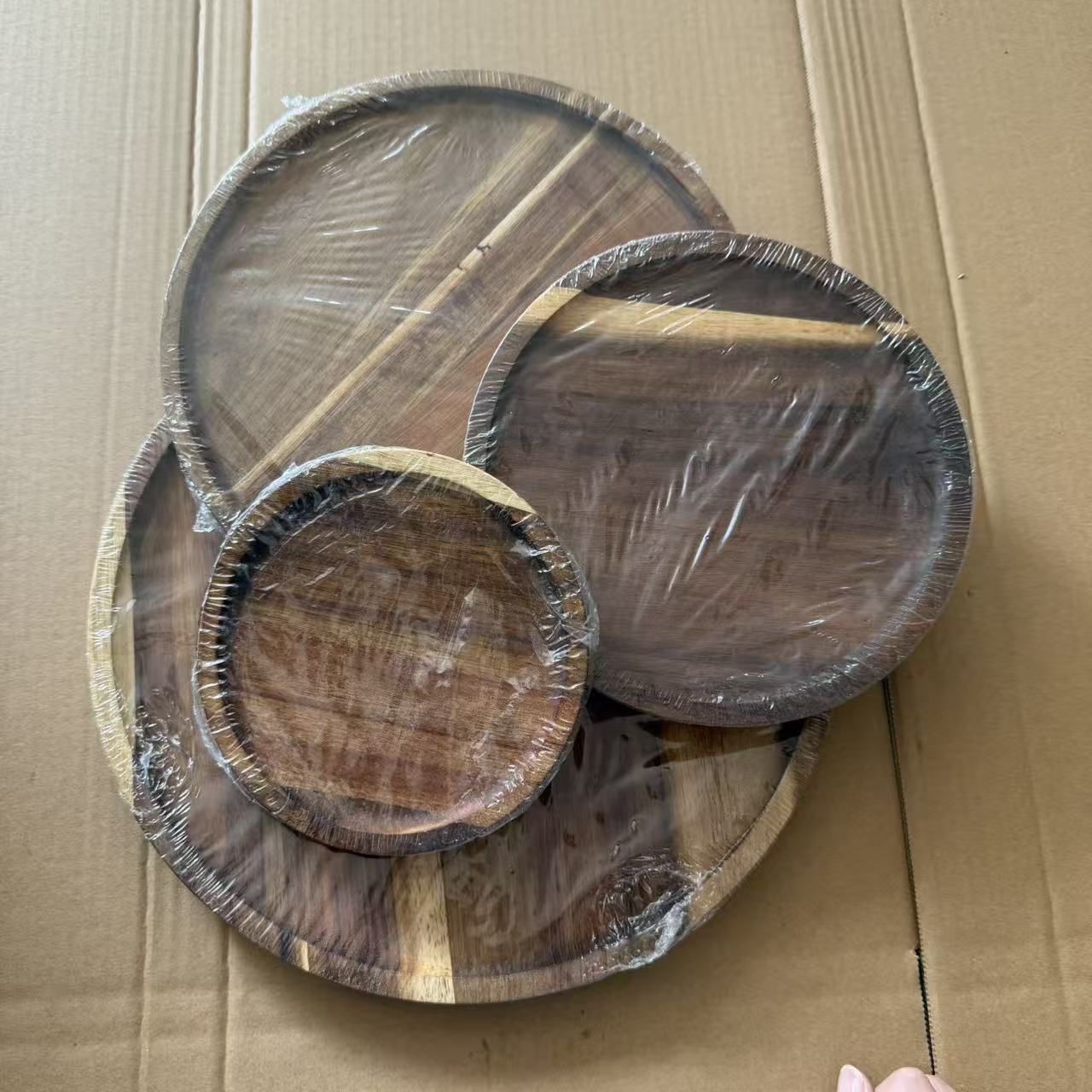
A homeware retailer wanted a coordinated utensil collection that would complement wooden chopping boards, serving trays, and other natural kitchen accessories. A matching wooden spoon and spatula set offered a practical way to create a consistent shelf presentation. The buyer could specify utensil shapes, lengths, surface finishes, and packaging to suit the intended assortment. By grouping complementary products under one visual theme, retailers can make product selection easier and develop giftable kitchenware combinations. This approach also supports cross-selling opportunities during seasonal campaigns, housewarming promotions, and everyday kitchenware merchandising without relying on unnecessary decorative features.

Private-Label Products for Kitchenware Brands

A kitchenware brand needed wooden cooking utensils that could carry its own visual identity across several sales channels. The sourcing brief focused on consistent shapes, smooth finishing, coordinated packaging, and options for presenting the collection under a private label. A wooden spoon spatula range can be adapted through selected dimensions, product combinations, logo placement, and packaging specifications, subject to production capabilities. Establishing these details before sampling helps buyers evaluate appearance and functionality against their brand standards. The result is a clearer product specification for supplier communication, quality inspection, and future replenishment orders, supporting a more consistent customer experience across the collection.

Practical Utensils for Hospitality Suppliers

A hospitality supplier was exploring wooden utensils for accommodation kitchens, cooking demonstrations, and food preparation environments where simple, comfortable tools are useful. A coordinated spoon and spatula selection offered flexibility for stirring, mixing, and turning ingredients across different recipes. The purchasing team prioritized suitable dimensions, smooth edges, straightforward cleaning instructions, and packaging that protected products during transport. For hospitality buyers, clearly defined specifications can simplify product comparisons and purchasing decisions. Sample evaluation also helps confirm whether the utensils meet the intended handling requirements. This sourcing approach supports practical kitchenware procurement while allowing distributors to select configurations suited to different customer groups.

Wooden spoon and spatula sets bring together traditional craftsmanship and everyday cooking functionality. A spoon is useful for stirring soups, mixing sauces, and combining ingredients, while a spatula helps fold mixtures, turn vegetables, and scrape food from cookware. The right design depends on the intended application, utensil dimensions, wood characteristics, and finishing requirements. Kangyi Wood Products offers wooden kitchenware solutions for buyers developing retail collections, private-label products, promotional gifts, and wholesale assortments. Depending on the selected product and production capabilities, buyers can discuss wood options, handle shapes, surface treatments, logo customization, and packaging. Before placing a bulk order, evaluate samples for smoothness, dimensional consistency, finish quality, and suitability for the intended cookware. Establishing these requirements early helps reduce specification misunderstandings and supports repeatable purchasing standards. For international B2B sourcing, clearly documented product details also make supplier evaluation, packaging coordination, and replenishment planning more efficient. Buyers can request product specifications and customization information to identify a suitable configuration for their target market.

Frequently Asked Questions

What should buyers consider when sourcing wooden spoon and spatula sets?

Buyers should assess wood type, utensil dimensions, surface smoothness, edge finishing, and intended cooking applications. Packaging, logo options, and order quantities also influence purchasing decisions. Requesting samples before bulk production helps verify the appearance and handling characteristics required for the target market.
Customization may include utensil shapes, dimensions, product combinations, branding, and packaging, depending on manufacturing capabilities. Buyers should provide artwork, target specifications, and packaging requirements during quotation discussions. Confirming available options and sample approval procedures helps ensure the finished collection aligns with the brand's expectations.
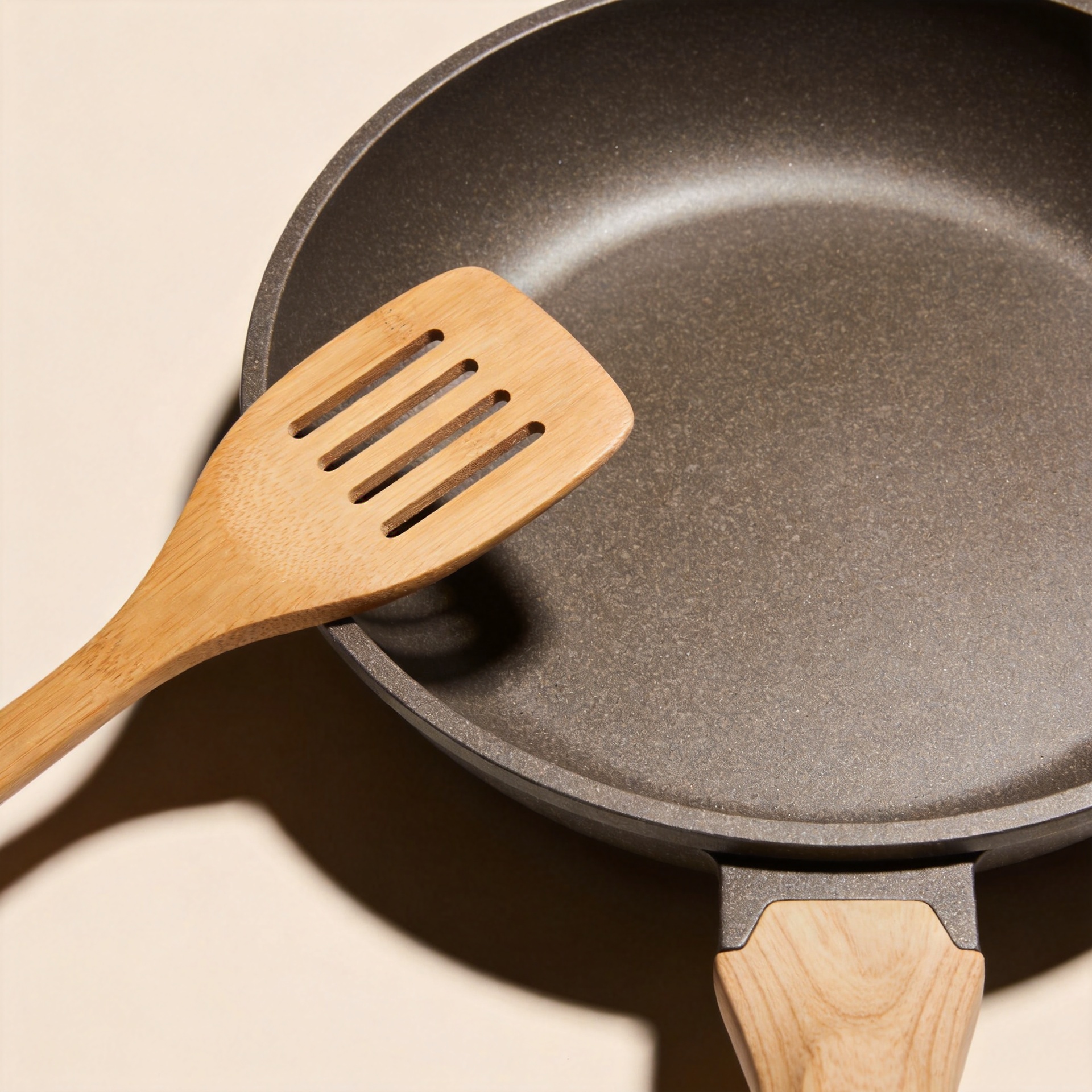
Wooden utensils are generally suitable for many nonstick cookware surfaces because they are less abrasive than metal tools. However, suitability depends on the utensil's construction and condition. Buyers should inspect edges for splinters or rough areas and follow the cookware manufacturer's care recommendations.
Wash wooden utensils by hand with mild detergent and warm water, then dry them thoroughly. Avoid prolonged soaking and generally do not place them in a dishwasher unless the manufacturer explicitly confirms dishwasher suitability. Follow product-specific care instructions to help reduce cracking, warping, and premature wear.
Provide the required utensil styles, estimated order quantity, preferred dimensions, wood specifications, customization requirements, and destination market. Packaging details and target delivery schedules are also useful. With this information, the supplier can assess feasibility, clarify production requirements, and prepare a more relevant quotation.

Related article

What Factors Determine the Quality of a Wooden Dinner Plate?

27

Oct

What Factors Determine the Quality of a Wooden Dinner Plate?

Learn what determines Wooden dinner plate quality, from wood grain and plate thickness to food grade finish checks and supplier QC.
View More
How to Choose Wooden Dinner Plates for Restaurants and Hospitality?

27

Oct

How to Choose Wooden Dinner Plates for Restaurants and Hospitality?

Choose a wooden dinner plate for restaurants and hospitality with a practical guide to materials, food-contact checks, service fit, and reorders.
View More
How to Choose Wooden Barbecue Tools for Outdoor Cooking?

28

Oct

How to Choose Wooden Barbecue Tools for Outdoor Cooking?

Choose wooden barbecue tools with a practical buyer checklist for materials, construction, care, safety, and outdoor use.
View More
Why Are Wooden Spatulas Suitable for Nonstick Cookware?

28

Oct

Why Are Wooden Spatulas Suitable for Nonstick Cookware?

Learn why a wooden spatula suits nonstick cookware and how to choose, use, and care for it with confidence.
View More

Customer Testimonials

Daniel Brooks

Our private-label wooden spoon spatula set added a natural touch to our kitchenware range. The smooth finish and coordinated design helped strengthen our product presentation for retail customers.

Emily Carter

We selected wooden spoon and spatula sets for our kitchenware collection. The customizable packaging and consistent appearance supported a cohesive product line for seasonal promotions and everyday retail sales.

Get a Free Quote

Our representative will contact you soon.
0/1000
Natural Design That Complements Modern Kitchen Collections

Natural Design That Complements Modern Kitchen Collections

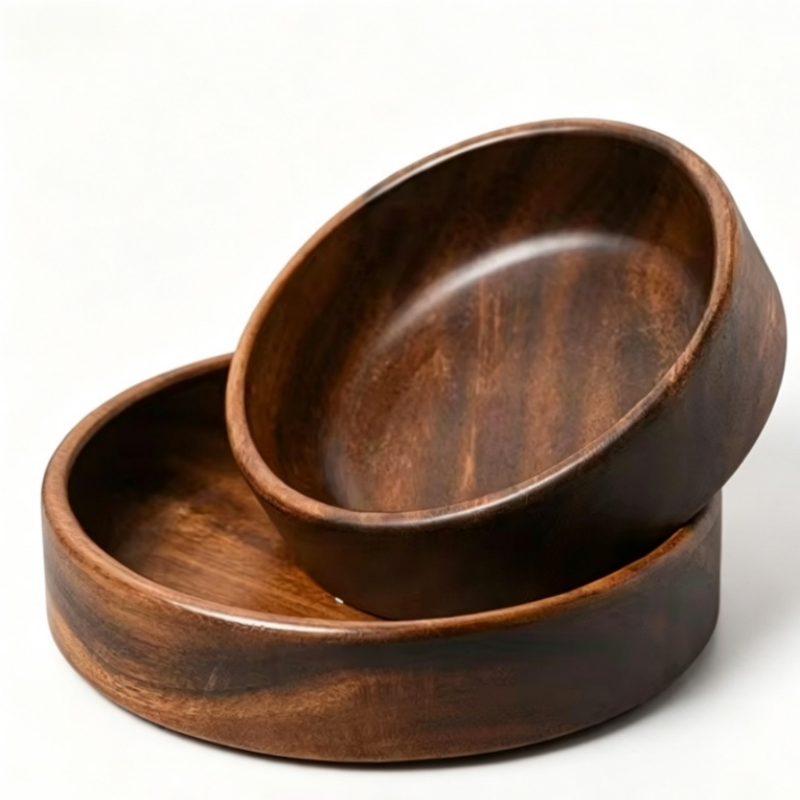
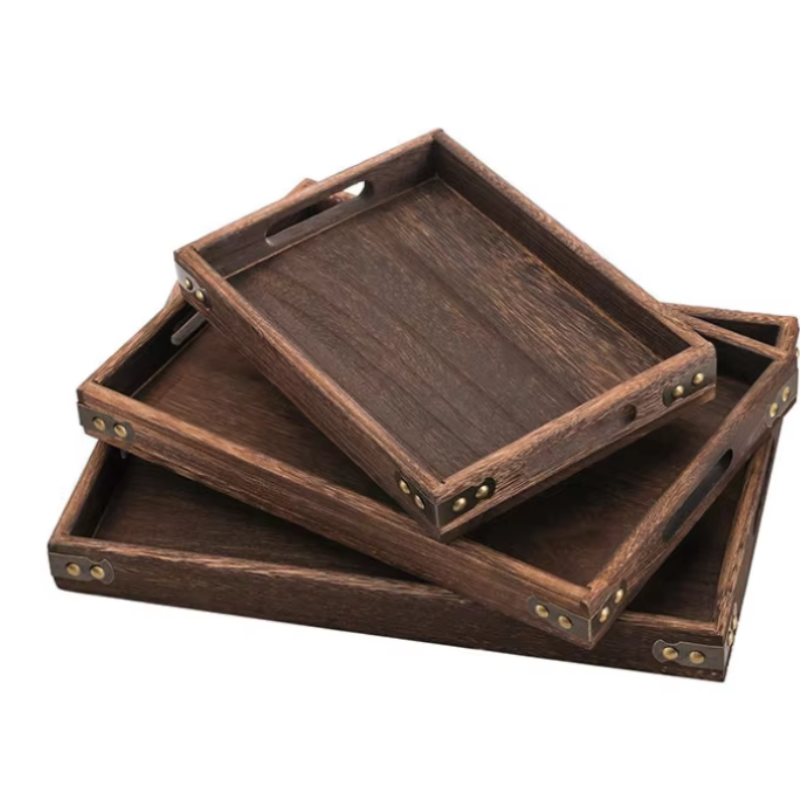
Natural wood grain gives wooden spoon and spatula sets a distinctive appearance that works well with contemporary, rustic, minimalist, and traditional kitchenware collections. Coordinated utensils can complement chopping boards, serving trays, storage accessories, and cookware displays, helping retailers create a unified product presentation. Buyers can explore different wood appearances, handle profiles, and finishes according to their assortment strategy and target customer preferences. For example, a homeware retailer may combine cooking utensils with a matching board to create a practical housewarming gift set. Consistent styling also supports cohesive product photography and online merchandising. By defining the desired appearance before sampling, brands can evaluate whether a proposed design fits their wider kitchenware identity.
Flexible Customization for Wholesale and Private Labels

Flexible Customization for Wholesale and Private Labels

Wholesale buyers often need wooden cooking utensils that fit specific brand guidelines, price positioning, and packaging requirements. Customization discussions can cover product dimensions, spoon and spatula shapes, coordinated sets, logo placement, and retail-ready packaging, subject to manufacturing feasibility. A distributor serving several retail accounts, for instance, may develop one core utensil design with different packaging presentations for distinct customer groups. Clear specifications help purchasing teams compare samples, document quality expectations, and communicate requirements before production begins. For international orders, confirming carton dimensions, labeling, and shipping arrangements can also improve logistics planning. This structured approach helps brands build differentiated kitchenware assortments while maintaining a practical framework for repeat orders and supplier coordination.