Wooden Ladle Wholesale | Custom Private-Label Options

Welcome to our store!Black Friday Sale!

showlist/wooden-ladle, showlist/wooden-ladle, 
Inquiry
Inquiry
Customer Feedback on Our Wooden Ladles

Customer Feedback on Our Wooden Ladles

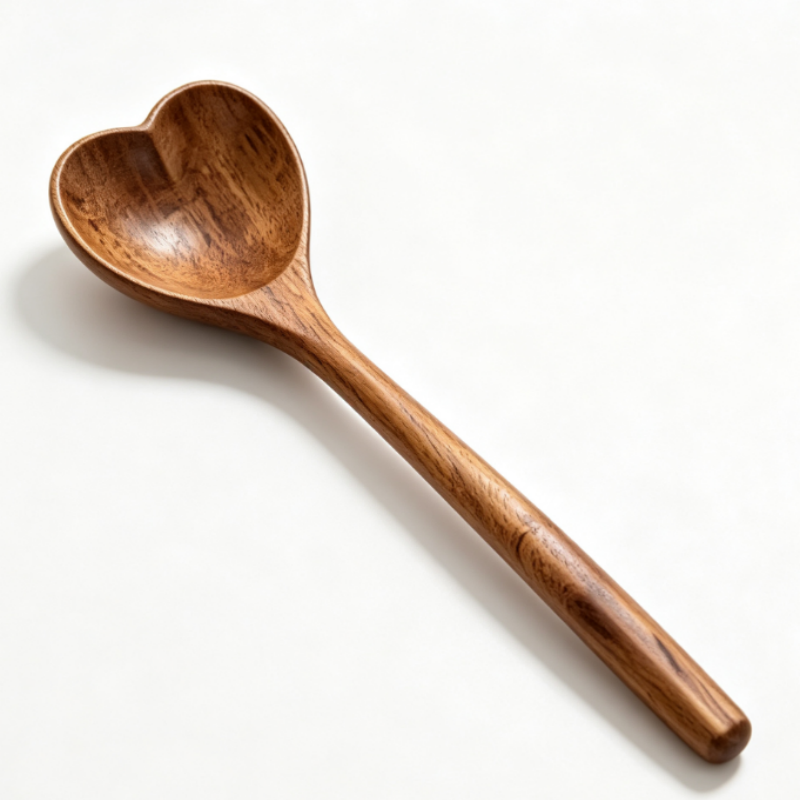
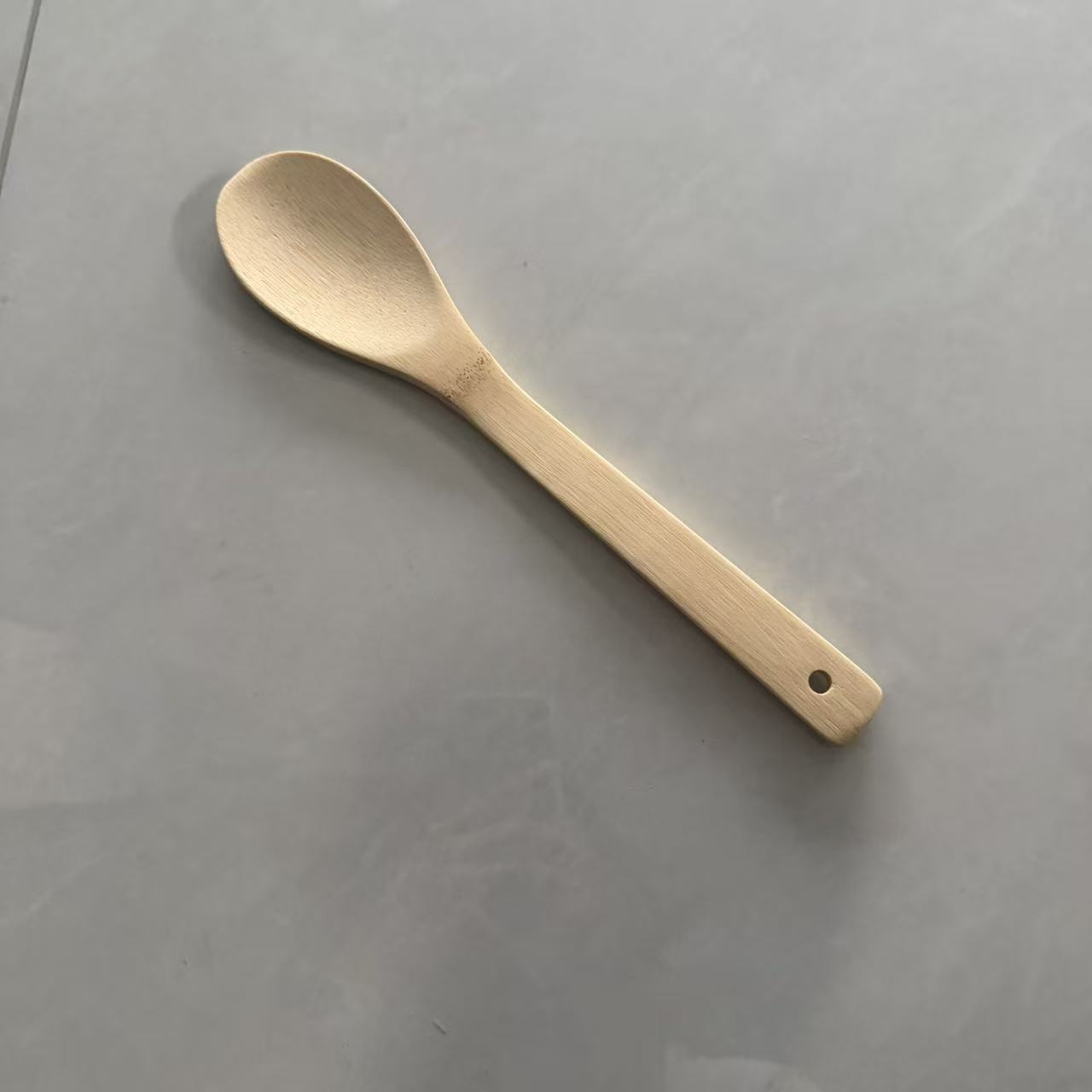
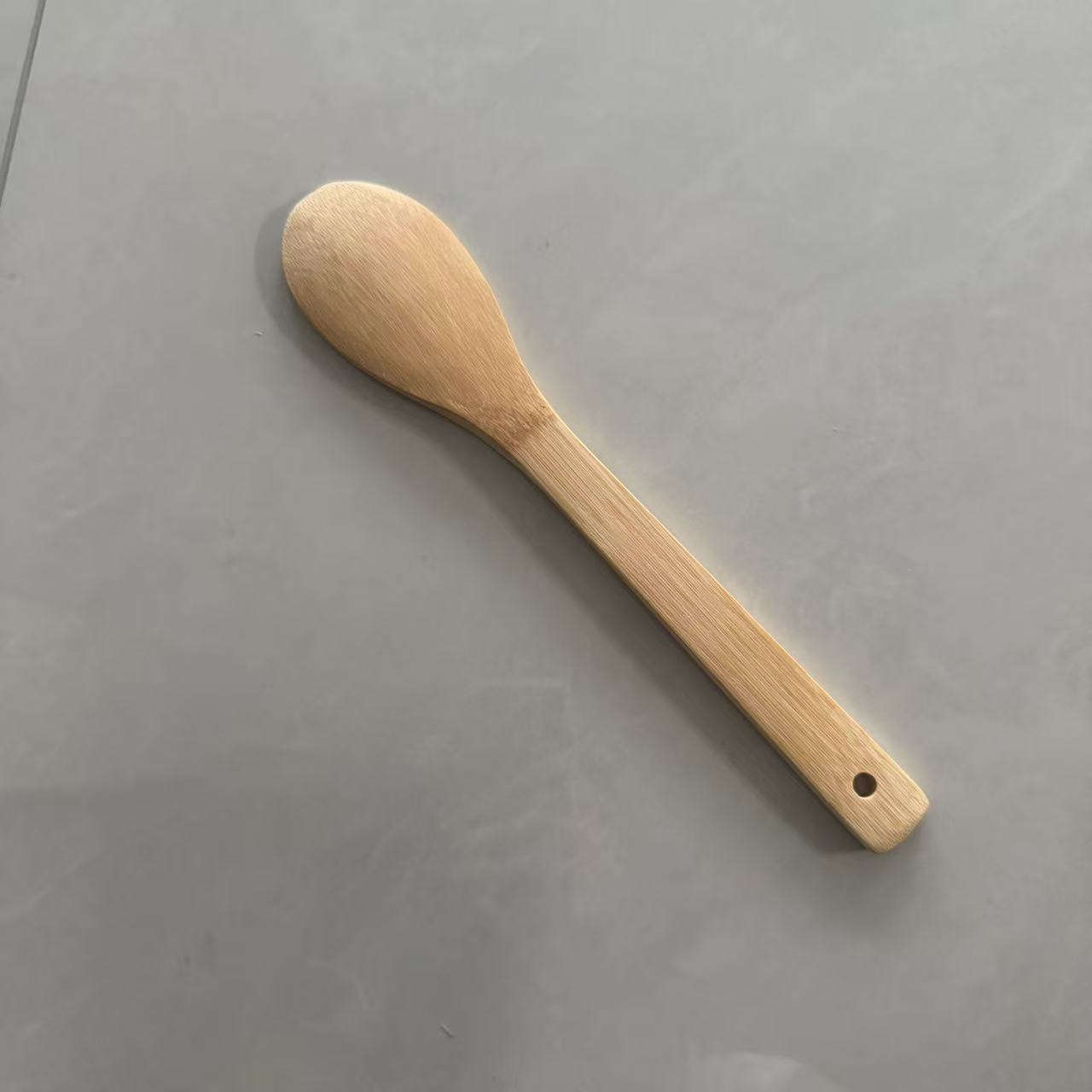
Wooden ladles offer a practical combination of natural appearance, comfortable handling, and versatile functionality for home kitchens, restaurants, and hospitality businesses. Their smooth bowls work well for serving soups, sauces, stews, and other liquid dishes, while wooden construction complements contemporary and traditional kitchenware collections. At Woodenky, buyers can explore product customization options for wholesale distribution, private-label projects, and coordinated utensil sets. Depending on the selected wood, dimensions, and finish, ladles can be developed to suit different product positioning and retail requirements. Custom sizing, handle profiles, and packaging can help importers create differentiated collections. These reusable utensils also provide an appealing alternative to disposable serving tools.
Get A Quote

Case Study

Wooden Ladles for Kitchenware Retailers

Kitchenware retailers need utensils that combine everyday functionality with attractive shelf presentation. A wooden ladle can complement wooden spoons, spatulas, cutting boards, and serving accessories in a coordinated collection. For example, a retailer developing a natural kitchenware range could select matching wood tones and consistent handle shapes across several products. Standardized dimensions simplify catalog organization, while customized packaging supports brand recognition. Buyers should confirm wood species, surface finishing, food-contact requirements, and packaging specifications before production. By aligning these details during sampling, retailers can improve purchasing consistency and create a more coherent assortment for customers seeking practical, natural-looking cooking utensils.

Wooden Ladles for Restaurants and Hospitality

Restaurants, catering businesses, and hospitality suppliers may use wooden ladles for serving soups, sauces, and shared dishes where presentation matters. A carefully shaped bowl helps transfer liquids, while a comfortable handle supports routine serving tasks. For example, a hospitality distributor could source several ladle sizes for different serving vessels and buffet stations. Selecting suitable dimensions before ordering helps staff match utensils to their intended applications. Commercial buyers should also establish cleaning instructions, durability expectations, and replacement requirements. Clear specifications make repeat purchasing easier and help maintain consistency across restaurant supply programs, hospitality projects, and foodservice equipment catalogs.

Private-Label Wooden Ladles for Brand Collections

Brands expanding into sustainable-style kitchen accessories can use wooden ladles as standalone products or as components of gift sets. A private-label project might combine a ladle with a cooking spoon, turner, and spatula, creating a coordinated assortment for seasonal promotions or everyday retail. Buyers can discuss handle dimensions, wood appearance, logo placement where technically suitable, and packaging formats during product development. A sample approval process helps verify proportions and finishing before mass production. Confirming order quantities, lead times, and inspection criteria in advance also supports smoother procurement. These steps help brands build recognizable kitchenware collections for different target markets.

Wooden ladles bring natural character and practical utility to cooking and serving applications. Their deep bowls are suitable for transferring soups, broths, sauces, and stews, while their handles provide a straightforward grip during everyday kitchen tasks. Woodenky offers wooden kitchenware solutions for buyers developing retail assortments, hospitality supplies, and private-label product lines. Product development begins with clearly defined specifications, including wood selection, overall length, bowl dimensions, handle shape, surface smoothness, and packaging requirements. These details influence appearance, usability, production consistency, and final positioning. Depending on the intended market, buyers can request samples to evaluate proportions and finishing before confirming an order. For distributors, matching ladles with wooden spoons, spatulas, and other utensils can create a more complete product assortment. Retail brands may also explore coordinated packaging and suitable customization options. Rather than relying on unsupported performance claims, purchasing teams should confirm material documentation, food-contact compliance, care instructions, and applicable market requirements with their supplier. Clear communication about order quantities, inspection standards, and delivery schedules helps reduce sourcing uncertainty.

Frequently Asked Questions

What should wholesale buyers consider when sourcing wooden ladles?

Buyers should evaluate wood species, ladle length, bowl capacity, surface finish, handle comfort, and packaging. They should also confirm minimum order quantities, sample availability, production lead times, and applicable food-contact requirements. Providing a detailed specification sheet helps suppliers understand expectations and improves consistency across repeat orders.
Customization options depend on the product design and production requirements. Buyers can discuss dimensions, handle profiles, wood appearance, suitable branding methods, and packaging preferences. Requesting a sample before bulk production helps verify the design. Confirm available customization methods, order quantities, and timelines directly with Woodenky.
Wooden ladles are commonly used to serve soups, sauces, and stews. Their suitability depends on the wood, construction, and finish. Follow the supplier's temperature and care guidance, avoid prolonged soaking, and dry the utensil thoroughly after washing to help maintain its condition.
Wash wooden ladles by hand with mild dish soap and warm water, then dry them promptly. Avoid prolonged soaking and generally avoid dishwashers unless the supplier specifically confirms suitability. Inspect the utensil regularly for cracks, splintering, or finish deterioration, and replace it when damage affects safe use.
Yes. Wooden ladles can be paired with cooking spoons, spatulas, turners, and other wooden utensils to create coordinated retail or gift sets. Buyers can align wood appearance, handle styling, and packaging across the collection. Confirm each item's dimensions and available customization options during sample development.

Related article

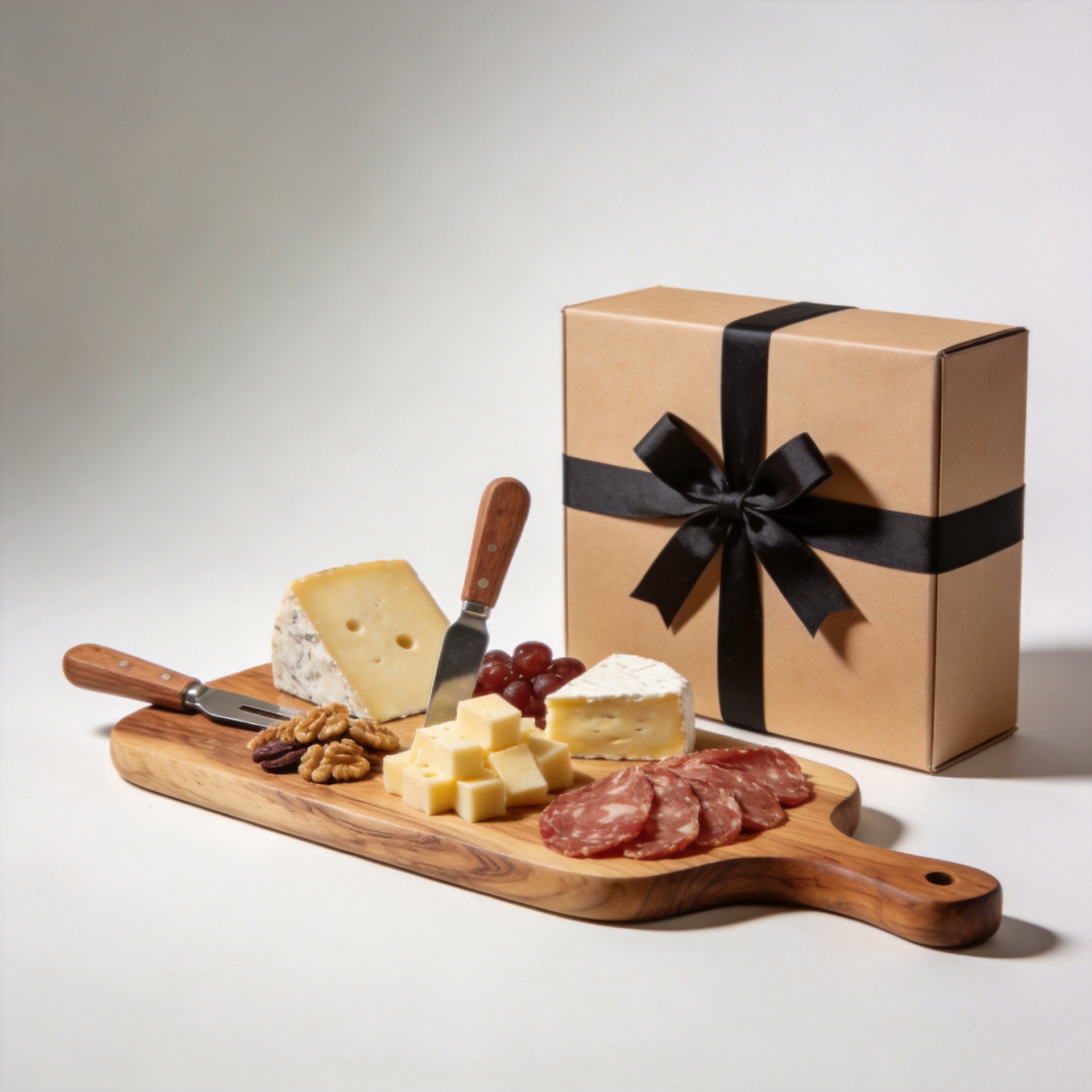
Custom Wooden Cheese Boards for Gift and Retail Markets.

27

Oct

Custom Wooden Cheese Boards for Gift and Retail Markets.

Source a Wooden cheese board for gift and retail programs with practical advice on customization, packaging, OEM specs, and wholesale quality checks.
View More
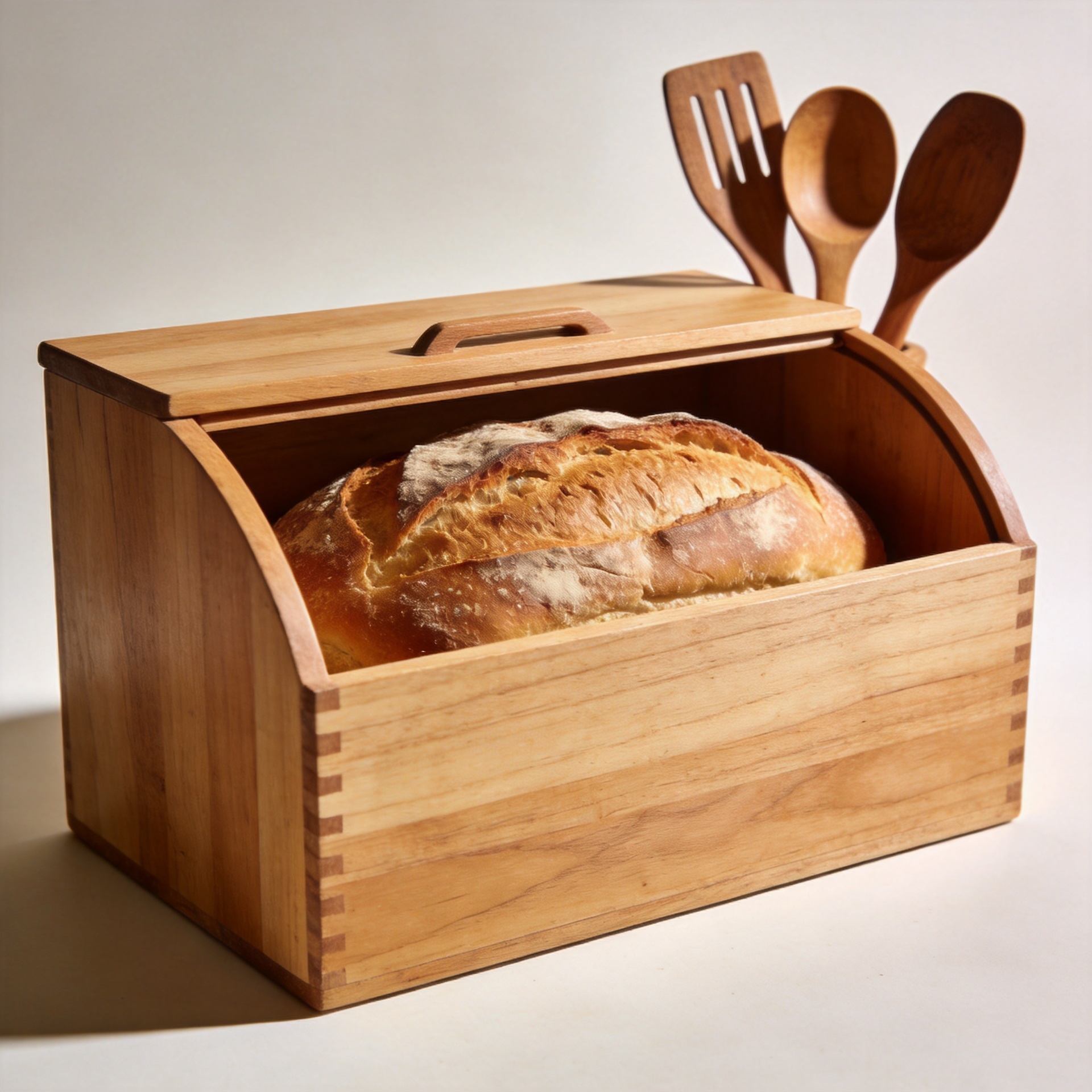
How to Keep Bread Fresh in a Wooden Bread Storage Box?

27

Oct

How to Keep Bread Fresh in a Wooden Bread Storage Box?

Keep loaves fresher with a wooden bread storage box: practical airflow, placement, cleaning, and freezing tips for every bread type.
View More
What Is the Best Wood for a Wooden Chopping Board?

28

Oct

What Is the Best Wood for a Wooden Chopping Board?

Compare the best wood for a Wooden chopping board by durability, appearance, construction, and care needs for retail buying.
View More
Why Do Restaurants and Wineries Use Wooden Cheese Boards?

28

Oct

Why Do Restaurants and Wineries Use Wooden Cheese Boards?

Discover why restaurants and wineries choose a Wooden cheese board for polished presentation, efficient service, and memorable pairings.
View More

Customer Testimonials

Daniel Brooks

Our private-label wooden ladles helped us expand our kitchenware range with consistent finishing and practical designs. The samples matched our specifications, making product development and packaging coordination easier.

Emily Carter

We sourced wooden ladles in multiple sizes for our retail collection. The smooth surfaces, natural wood appearance, and customizable packaging supported a cohesive presentation across our kitchen utensil range.

Get a Free Quote

Our representative will contact you soon.
0/1000
Flexible Product Specifications for Different Markets

Flexible Product Specifications for Different Markets

Different markets require different utensil dimensions, packaging styles, and product presentations. Woodenky helps buyers define wooden ladle specifications around their intended applications, whether they serve home cooks, restaurant suppliers, or kitchenware retailers. A compact ladle may suit smaller serving vessels, while a larger bowl can be considered for family-style serving and buffet applications. Buyers can evaluate samples for bowl depth, handle length, surface smoothness, and overall balance before approving production. For example, a distributor building a coordinated collection can standardize the wood appearance across ladles, spoons, and spatulas. Documenting these requirements in advance helps purchasing teams compare samples, communicate expectations, and manage product consistency.
Wholesale Planning for Consistent Kitchenware Supply

Wholesale Planning for Consistent Kitchenware Supply

Successful wholesale sourcing depends on clear specifications, realistic production schedules, and reliable quality checks. Wooden ladle buyers should confirm order quantities, packaging details, material requirements, and inspection criteria before production begins. For instance, a retailer preparing a seasonal kitchenware launch can approve samples early and coordinate product photography, labeling, and carton requirements before shipment. This planning reduces avoidable changes and supports smoother coordination between procurement, merchandising, and logistics teams. Woodenky welcomes inquiries from distributors, importers, and private-label brands seeking wooden kitchen utensils. Buyers can share target dimensions, preferred styles, and estimated order volumes to discuss suitable product options and establish a more organized sourcing process.