AR

Custom Wooden Cheese Boards for Gift and Retail Markets
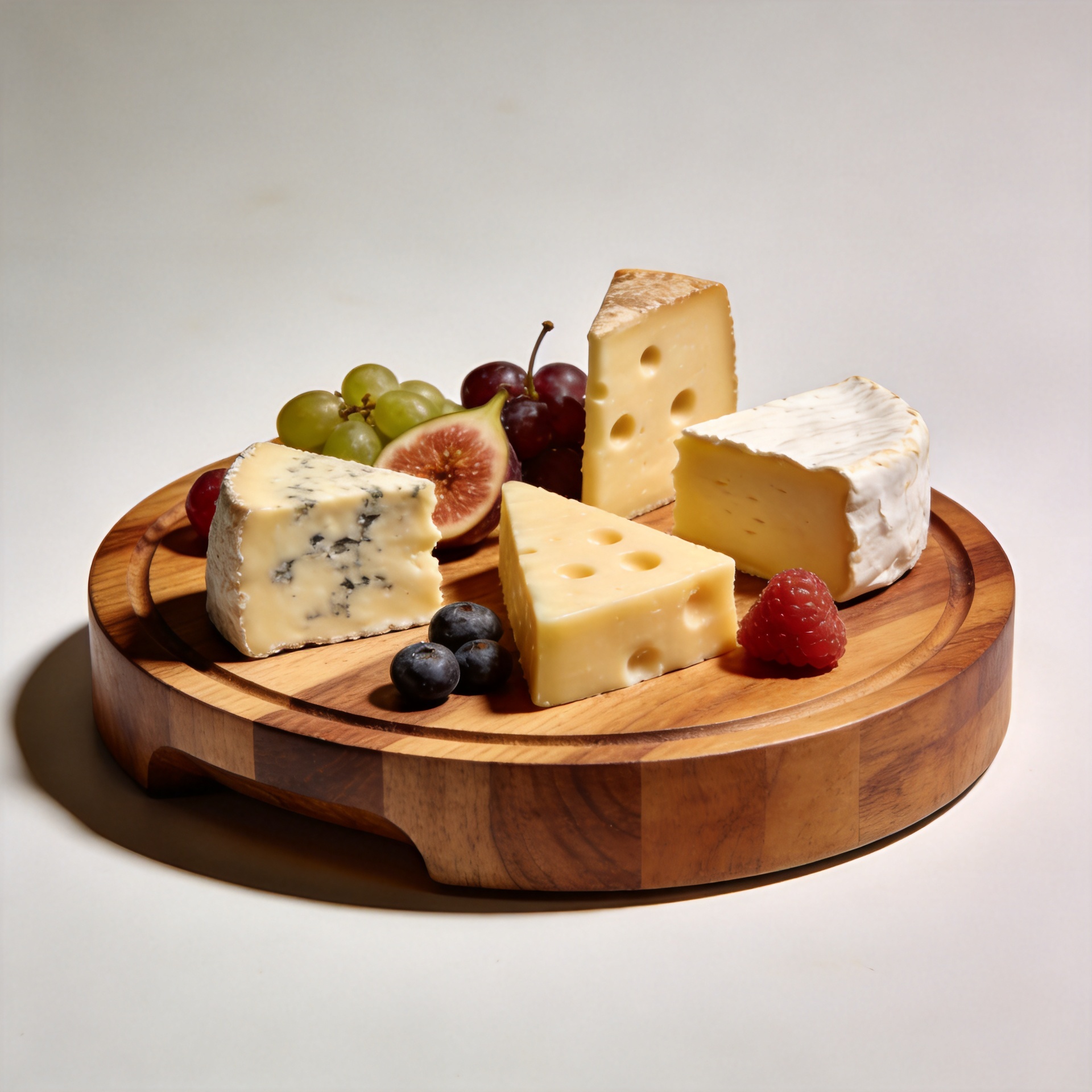
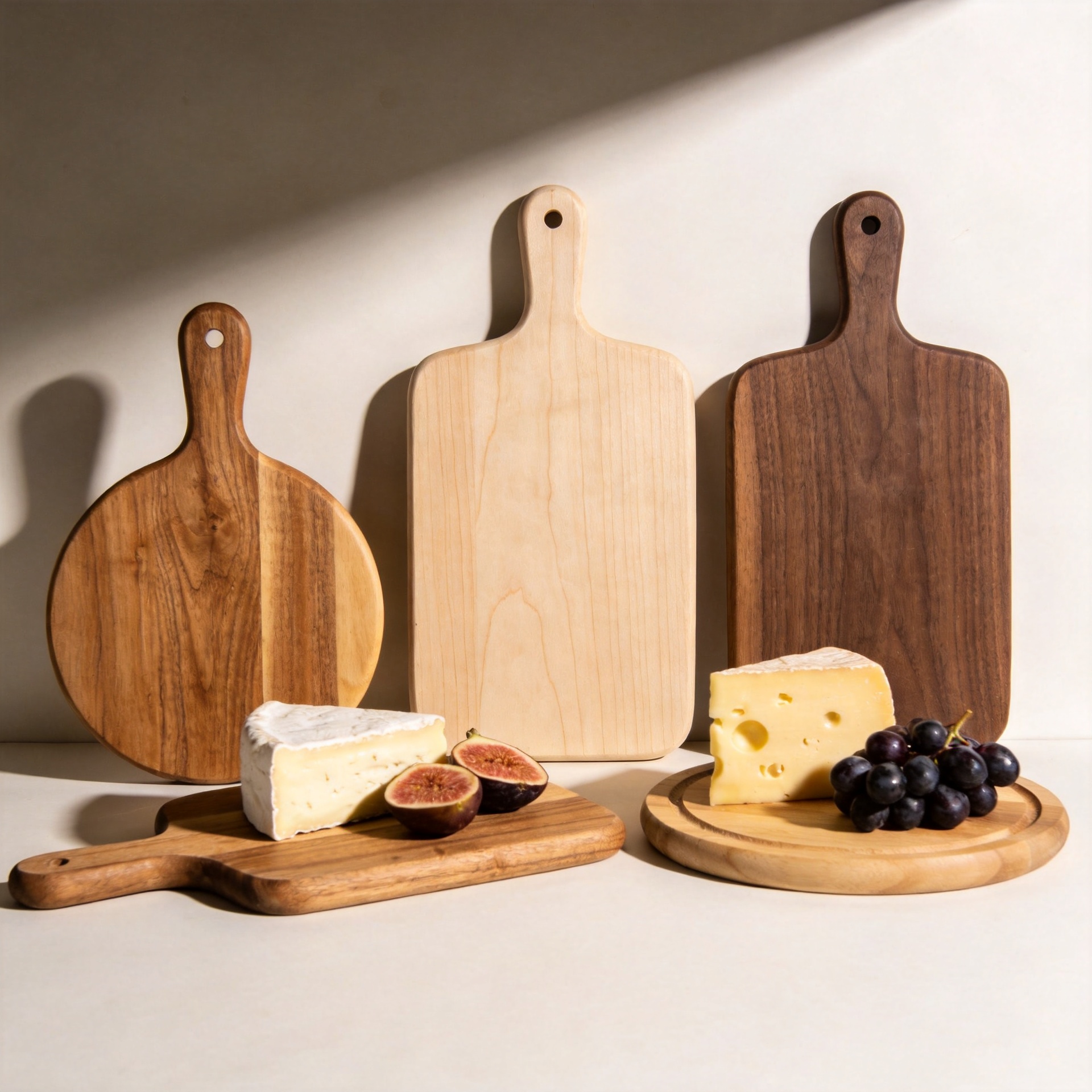
For a retail buyer, a Wooden cheese board is not simply a serving surface. It is a small-format product program that has to work in three places at once: on the shelf, inside a gift box, and in the customer’s home. That is why effective sourcing conversations begin with the intended retail experience rather than with a generic board shape. A round board may suit a holiday gift set; a handled paddle may fit a specialty-food display; a nested set may create a clear price ladder for a supermarket aisle.
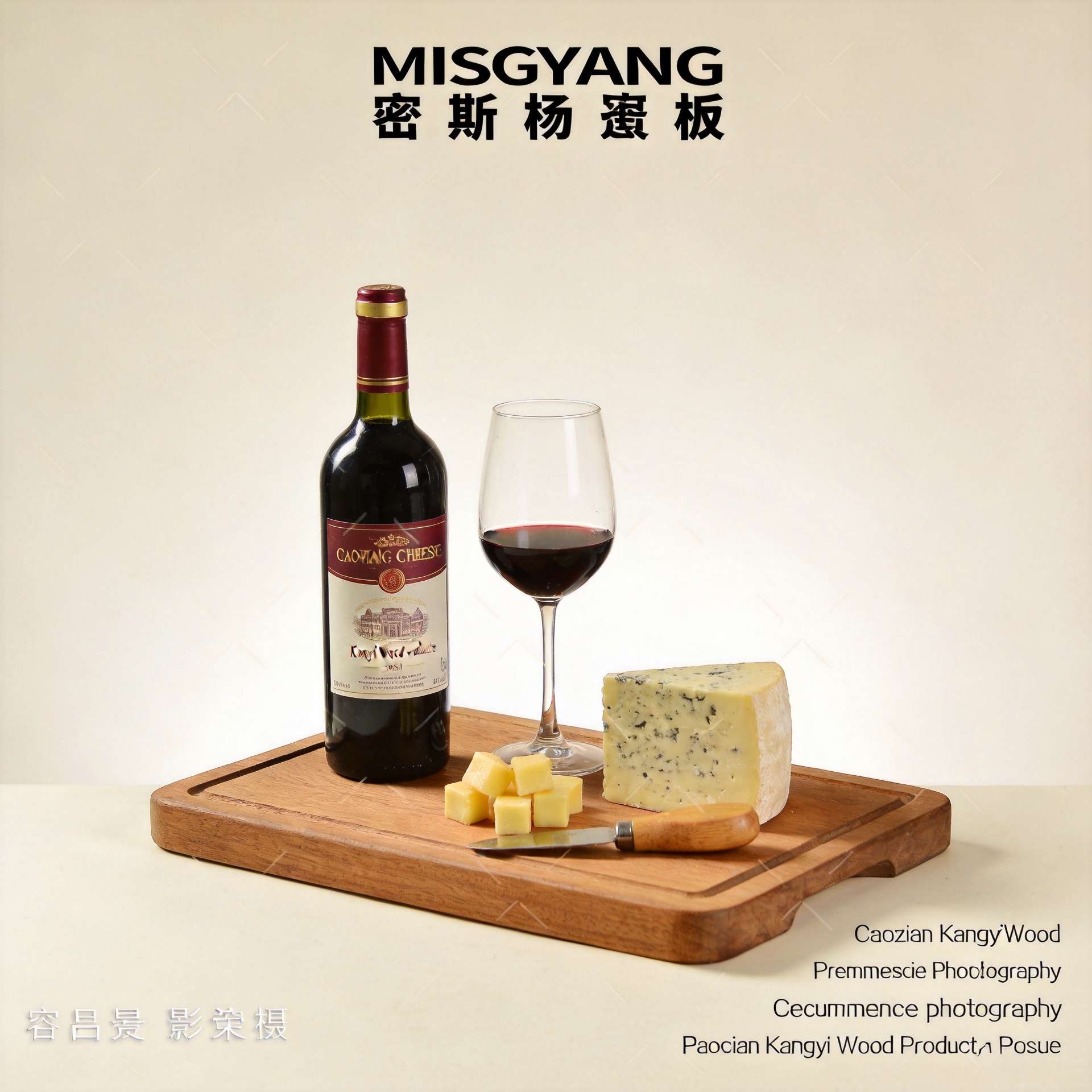
As a wooden-home-goods supplier serving supermarkets and trading companies, Caoxian Kangyi Wood Products Co., Ltd. approaches custom development as a specification exercise. The practical question is not whether a design looks premium in a sample photo. It is whether the material, finish, branding, packing, and inspection points can be defined clearly enough for repeat production.
Start with the Retail Job of the Wooden Cheese Board
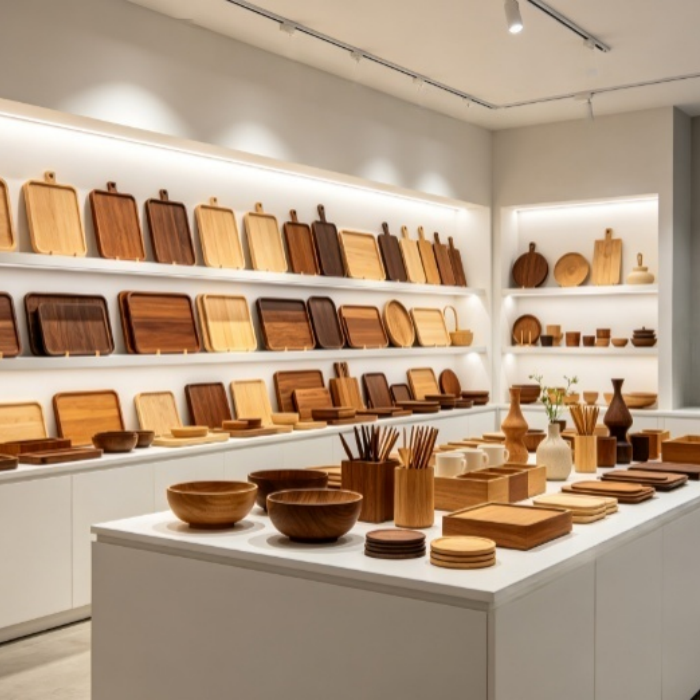
Before requesting quotations, decide what the board must do for the range. Gift buyers often prioritize presentation and an easy unboxing moment. Grocery or homewares buyers may need a visually consistent assortment, a sensible retail price ladder, and packaging that survives distribution. Trading companies may need a repeatable OEM serving board specification that can be adapted for different customers without rebuilding the project each time.
- Gift-led range: prioritize an attractive silhouette, a coordinated insert or sleeve, and room for a brand message or care card.
- Retail assortment: define sizes, board shapes, and pack formats that create a coherent display without making replenishment overly complex.
- Private-label program: identify where branding belongs: on the board, a hangtag, a belly band, the carton, or a combination of these.
- Hospitality or specialty-food use: focus on handling, edge finishing, storage, and the instructions end users will actually need.
This framing prevents a common sourcing mistake: treating every board as interchangeable. A Wooden cheese board that is designed for a gift channel needs different packaging and storytelling from one intended for a value-oriented retail run.
Specify the Board Before You Specify the Decoration
Personalization is more successful when the base product is already clear. Confirm the wood species, dimensions, thickness, shape, edge profile, handle or hanging feature, surface finish, and acceptable natural variation. Acacia is often selected for its warm tone and visible grain, but that natural character also means buyers should agree on a realistic variation standard rather than expecting machine-identical color across every unit.
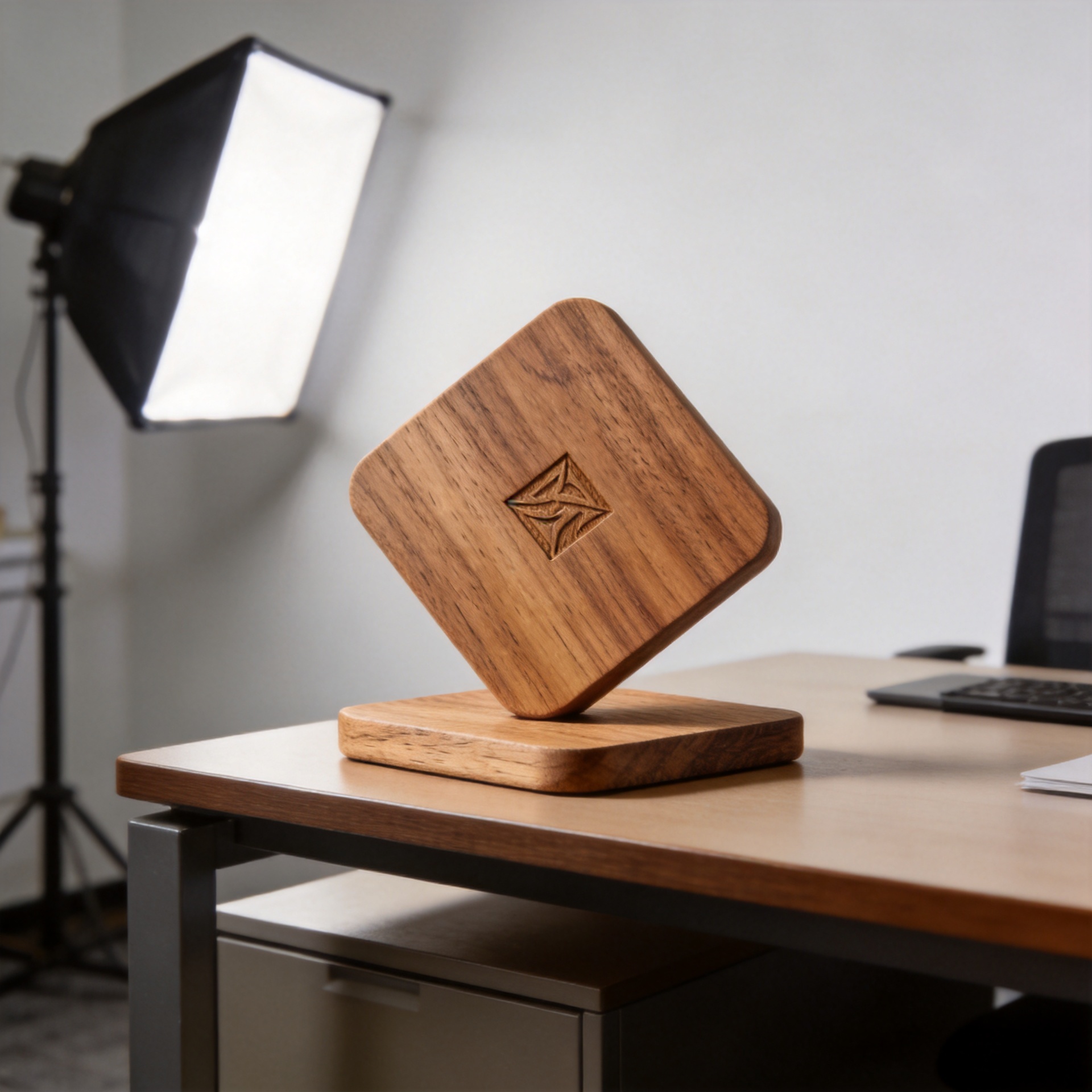
A personalized cheese board can use a logo, monogram area, laser-ready message panel, or custom artwork. Yet the placement needs to respect the board’s use. For example, a decorative mark on the reverse may protect the food-serving face, while a front-facing mark can make the product more giftable. Ask for a pre-production sample that shows the actual artwork scale, contrast, and position on the selected wood—not just a digital mockup.
It is also wise to separate confirmed requirements from options. A simple specification sheet can list the non-negotiables first, then identify optional upgrades such as a metal handle, leather tie, accessory well, or coordinated knife set. That approach makes it easier to compare supplier quotations without losing sight of the core product.
Make Gift Packaging Part of the Product Specification
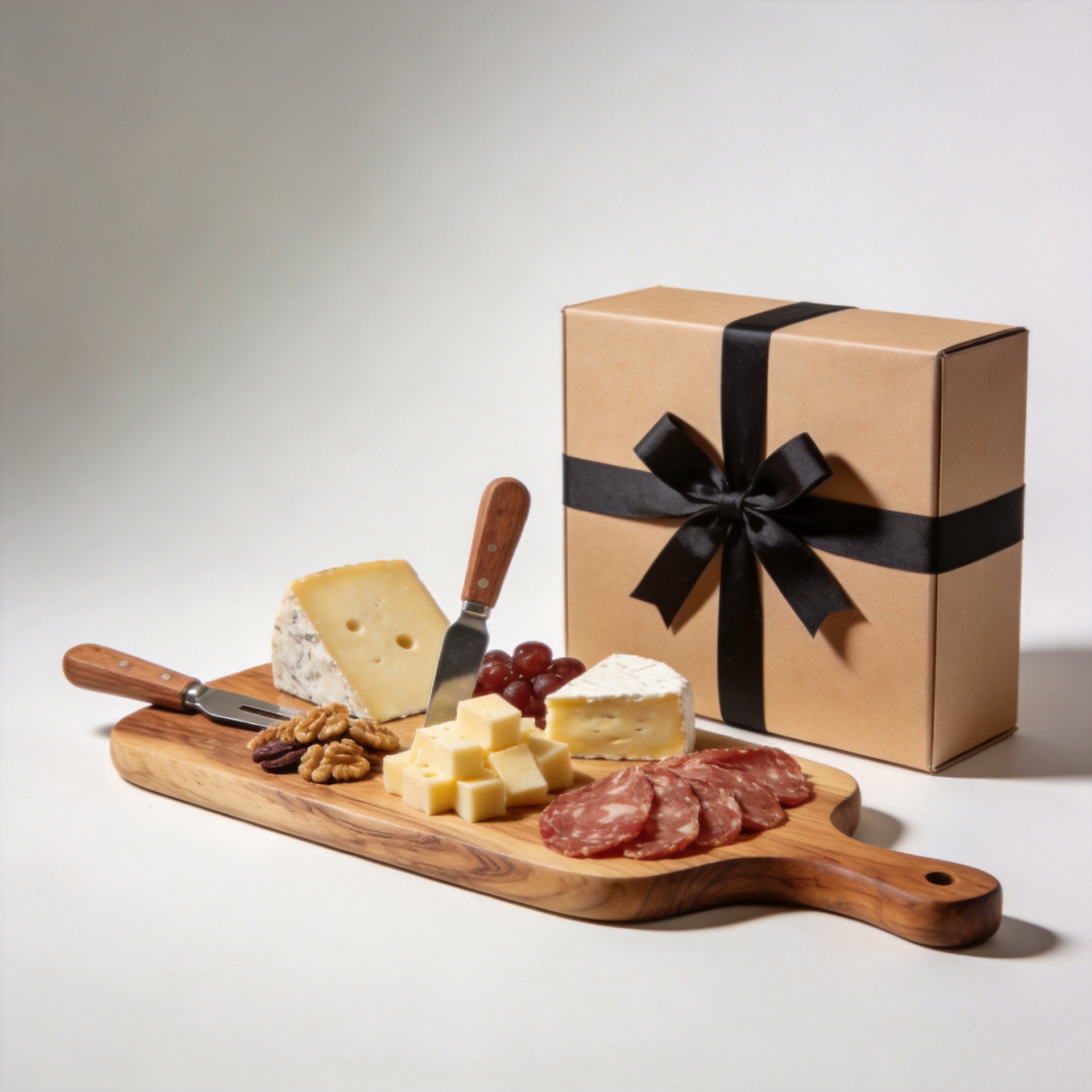
Gift packaging is not a last-stage accessory. It affects perceived value, freight protection, packing speed, and retail readiness. A board that feels substantial can still disappoint if the presentation is loose, the insert does not hold it securely, or the outer box arrives scuffed after transit.
For a gift-ready program, define the packaging stack early: protective inner material, printed box or sleeve, inserts, barcode location, master-carton configuration, and any care or brand message. If the project includes accessories, ask how each component is restrained so that it does not mark the wood during shipping. Buyers should also request carton-drop and transport-protection expectations as part of the supplier discussion rather than assuming a decorative retail box is sufficient for export handling.
Care guidance belongs in this plan as well. USDA consumer guidance recommends washing cutting boards with hot, soapy water after use, rinsing, and drying them. It also notes that wooden boards can be sanitized using a correctly prepared bleach solution. A concise care card helps a retailer set realistic use expectations; market-specific food-contact, labeling, and sanitizer instructions should be verified before print approval.
What an OEM Serving Board Brief Should Include
An OEM serving board project becomes easier to manage when the RFQ gives production and quality teams something concrete to review. Vague requests such as “make it premium” usually create different interpretations. Instead, provide a brief with the following points:
- Target market, retail channel, and intended occasion.
- Board drawings or reference dimensions, plus tolerances where they matter.
- Material, finish, grain-variation expectation, and any surface restrictions.
- Branding artwork, placement, color, and approval method.
- Packaging artwork, insert requirements, barcode, labels, and master-carton needs.
- Sample sequence, inspection criteria, and pre-shipment approval process.
- Required documents or testing to be confirmed for the destination market.
The point is not to overload a first inquiry. It is to expose the decisions that affect cost, timing, and consistency before a seasonal launch window becomes tight. Caoxian Kangyi’s broader wooden kitchenware, storage, and furniture range can be useful to buyers building a coordinated natural-material assortment, but every customized board should still be quoted and approved against its own documented requirements.
Quality Checks That Protect a Wholesale Program
For a wholesale cheese board order, the quality plan should be visible in the purchase conversation. Photos alone rarely show whether the finish is even, whether edges feel smooth, whether branded artwork is legible, or whether packs will remain presentable through handling. Request a sample and agree on the checks that matter most to the channel.
| Checkpoint | Why it matters to retail and gifting | Question to include in the RFQ |
|---|---|---|
| Material appearance | Natural grain is desirable, but unacceptable cracks, knots, or color extremes can weaken display consistency. | What variation is acceptable, and what is rejected? |
| Finish and edges | A smooth, even surface supports handling comfort and a premium first impression. | How will finish coverage and edge smoothness be inspected? |
| Brand execution | Weak or misplaced personalization can make a private-label range look inconsistent. | How is artwork approved before volume production? |
| Packaging fit | Loose parts and poor inserts increase damage and reduce gift appeal. | How is the finished pack checked before master-carton packing? |
| Carton protection | Retail-ready packs must arrive clean and intact after distribution. | What outer-carton and packing configuration will be used? |
In my experience, consistency deserves as much attention as the hero sample. A sample can prove that a design is possible; an agreed inspection standard is what makes a reorder program manageable.
Build a Range, Not Just a Single SKU
A single Wooden cheese board can be a useful entry item, but a coordinated assortment gives buyers more room to merchandise. Consider a small, medium, and entertaining-size board; different shapes that share a common finish; or a gift version with an upgraded presentation. This creates choice without forcing a retailer to introduce unrelated materials or styling.
For export buyers across Europe, North America, Oceania, and South America, the final range plan should also account for local labeling, packaging, food-contact, and import requirements. Do not assume that a claim, finish, or document accepted in one market automatically applies in another. Confirm destination-specific requirements with the appropriate parties before production release.
A Practical Next Step for Buyers
Start with a concise board brief and a sample request. State the retail channel, desired board format, branding method, gift packaging concept, target market, and the quality checks that will define acceptance. Then use the sample review to refine the specification before volume commitment.
For buyers seeking a Wooden cheese board range with customization potential, this process turns a general product idea into a sourcing program that is easier to quote, inspect, pack, and replenish. It also gives retail teams a stronger product story: natural material, considered presentation, and a board that is designed for the way their customers will give, display, and use it.