Wooden Cooking Spoon Set: Premium B2B Wholesale

Welcome to our store!Black Friday Sale!

showlist/wooden-spoon-set-for-cooking, showlist/wooden-spoon-set-for-cooking, 
Inquiry
Inquiry
Customer Feedback on Wooden Spoon Sets for Cooking

Customer Feedback on Wooden Spoon Sets for Cooking

A well-designed wooden spoon set for cooking brings versatility, comfort, and natural appeal to everyday kitchen tasks. From stirring sauces and folding cake batter to sautéing vegetables and serving family meals, wooden utensils offer practical options for home cooks and professional kitchenware retailers. Their smooth surfaces and rounded edges support comfortable handling, while wooden heads are suitable for many cookware surfaces when used correctly. Available in coordinated styles and configurations, these sets can help brands develop cohesive kitchenware collections. Buyers can explore options for utensil shapes, wood finishes, packaging, and customization according to their market requirements. Proper drying and routine care help maintain appearance and extend service life.
Get A Quote

Case Study

Coordinated Utensil Sets for Kitchenware Retailers

A homeware retailer wanted a coordinated cooking utensil collection that combined natural aesthetics with everyday functionality. A wooden spoon set for cooking provided a practical assortment for stirring, mixing, and serving, making it suitable for general kitchenware displays. The buyer prioritized consistent finishing, comfortable handles, and packaging that presented the products as a unified collection. Offering several utensil shapes within one set also helped communicate value to shoppers comparing individual tools with bundled alternatives. For distributors, this product format creates opportunities to develop entry-level and premium assortments, while customized branding can strengthen recognition across online stores, physical retail shelves, and seasonal promotional campaigns.

Private Label Cooking Utensils for Growing Brands

A kitchenware brand planned to expand its private label range with products that offered a natural appearance and broad household appeal. Wooden cooking spoon sets provided a flexible starting point because different spoon shapes and utensil combinations can address everyday food preparation tasks. The brand evaluated customization options, including product dimensions, surface finishes, logo presentation, and retail packaging. Clear specifications helped establish expectations for appearance and consistency before production. For emerging brands and established importers, this approach supports more organized product development and assortment planning. Final specifications, sampling, and quality checks should be agreed upon before confirming bulk orders, especially when products will enter multiple retail channels.

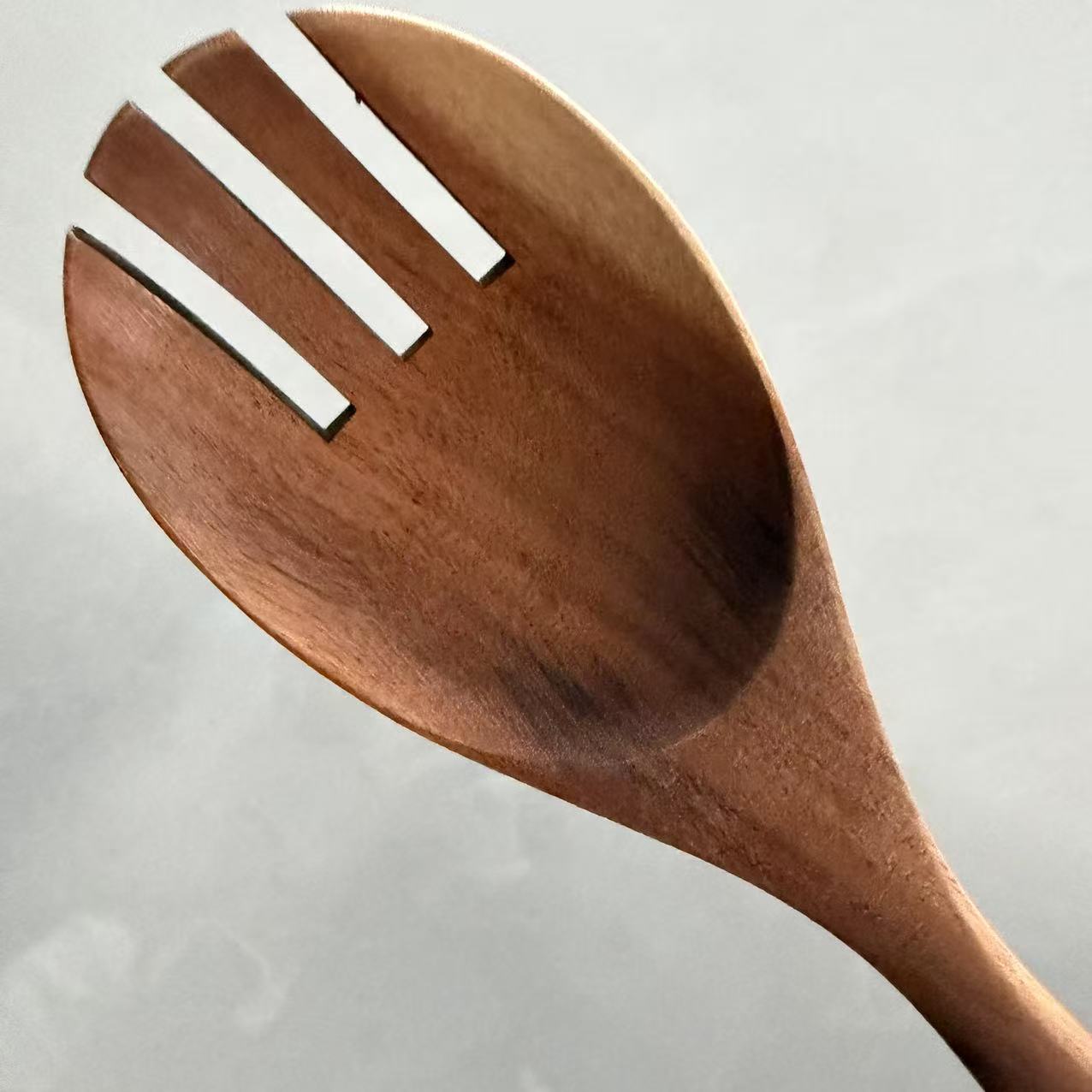
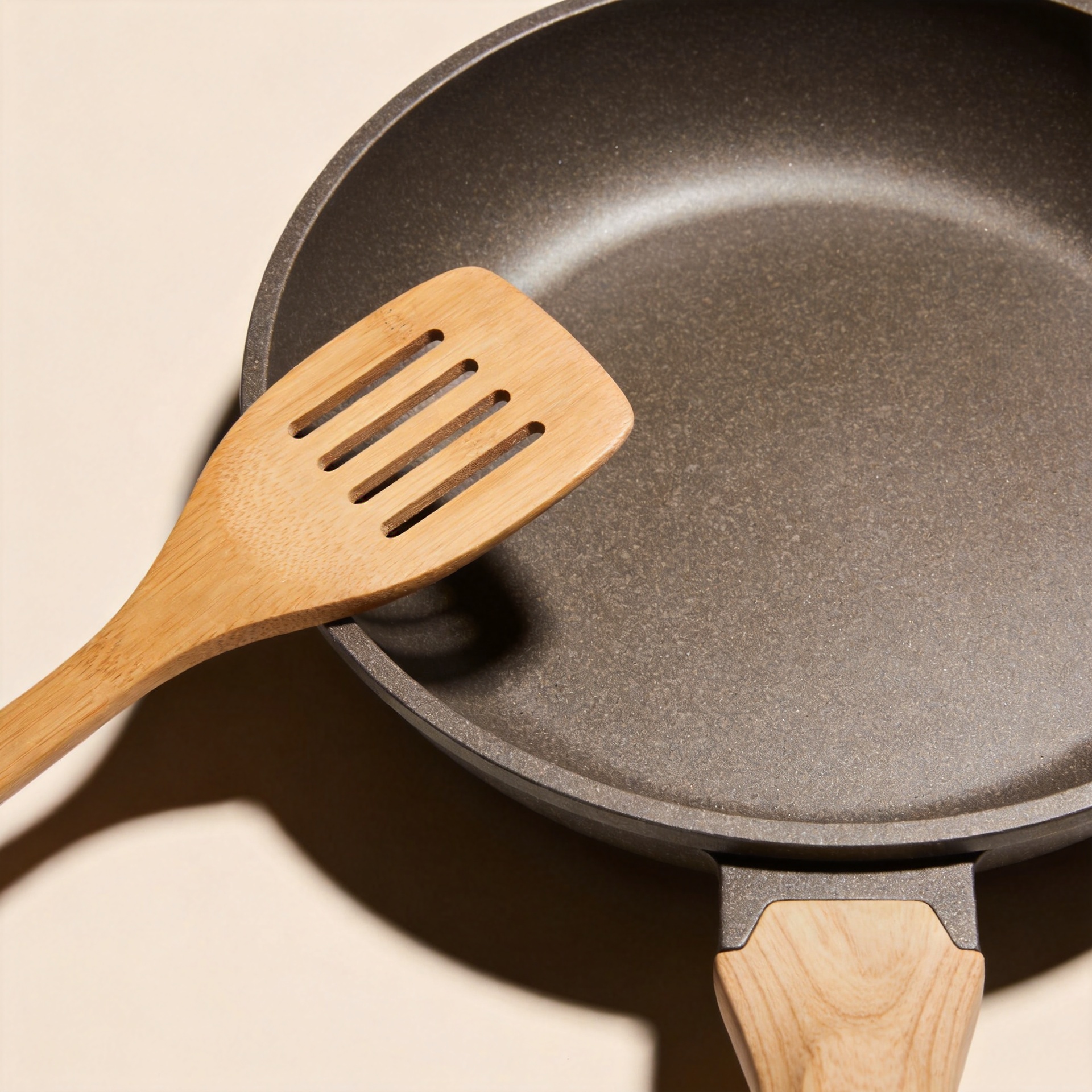
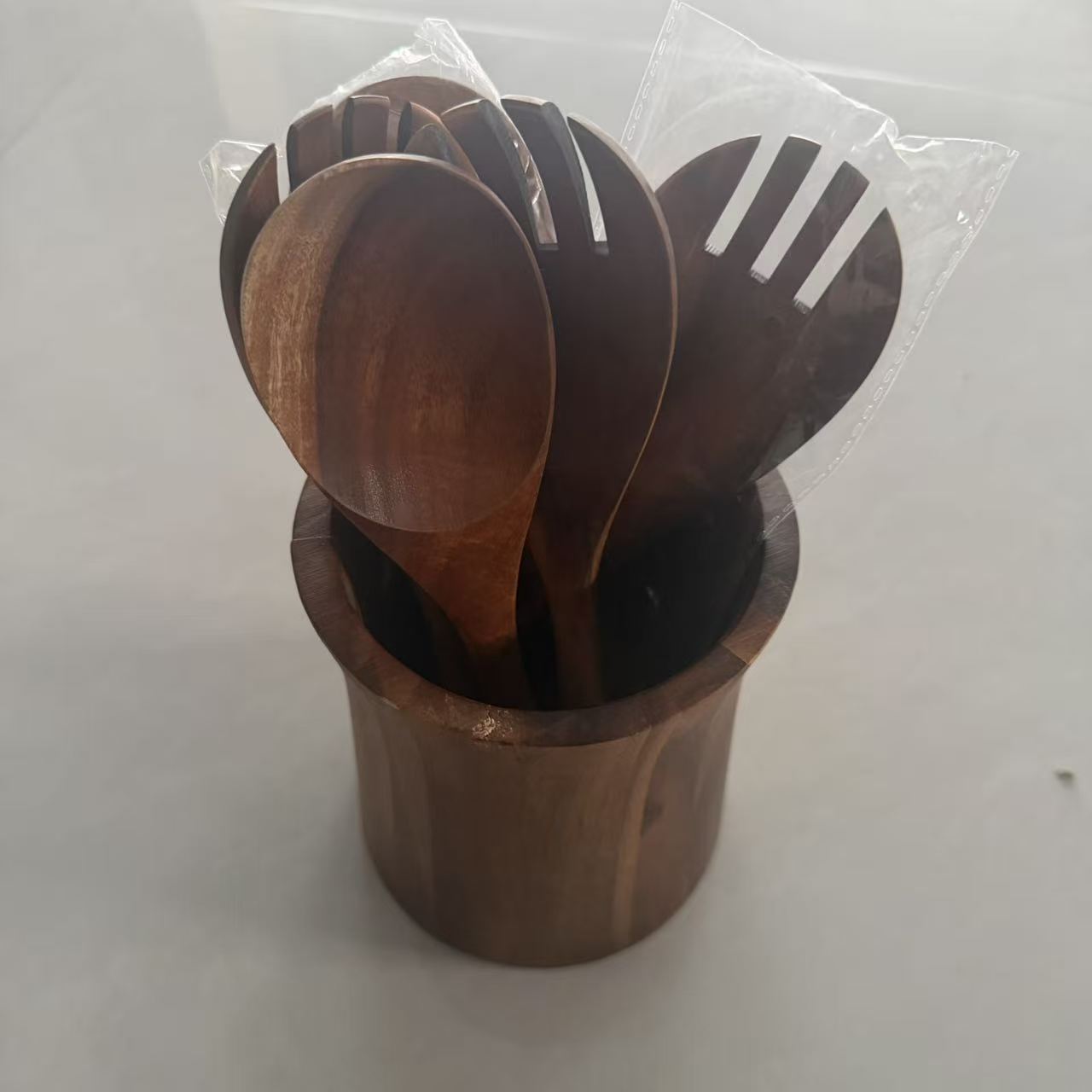
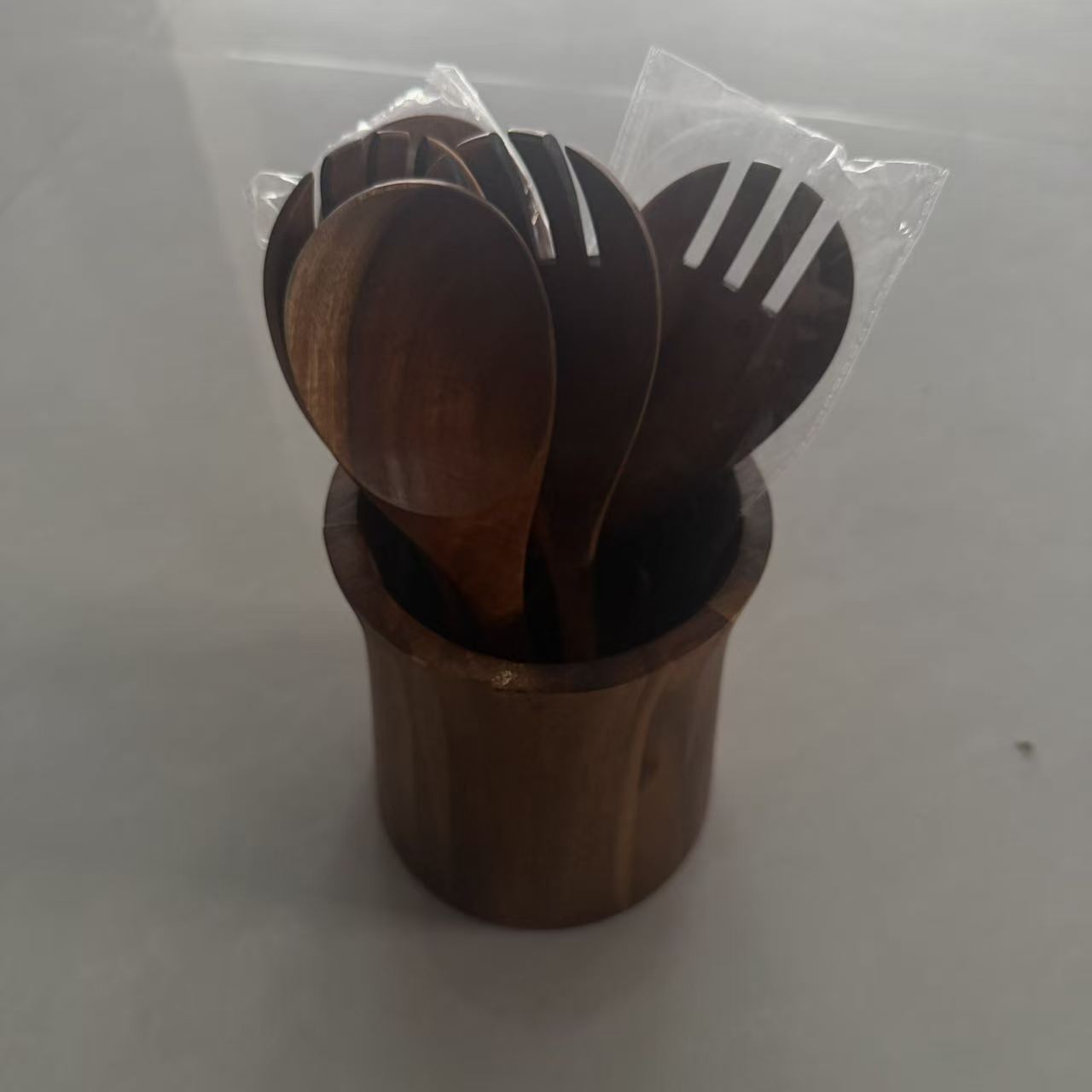
A wooden spoon set for cooking combines essential kitchen functions with the warmth of natural materials. Depending on the selected assortment, a set may include mixing spoons, slotted spoons, spatulas, and other utensils for preparing vegetables, stirring sauces, folding ingredients, and serving food. Different head shapes support different tasks, while balanced handles help improve control during repeated use. Wood selection, moisture management, sanding, and finishing all influence the final product's appearance and usability. For kitchenware manufacturers and wholesale buyers, production planning begins with defining dimensions, utensil combinations, finish requirements, and packaging specifications. Samples allow buyers to assess grip, weight, surface smoothness, and overall consistency before approving larger orders. Custom branding and coordinated packaging can further support private label programs, promotional products, and retail collections. Wooden utensils are generally suitable for many cookware surfaces, but users should avoid prolonged soaking, high-temperature exposure, and dishwasher cleaning unless the product is specifically approved for those conditions. Washing by hand and drying thoroughly helps preserve the wood. For international sourcing projects, buyers should confirm the wood species, applicable food-contact requirements, inspection criteria, and packaging details before production. These steps create a clearer purchasing process and help align the finished assortment with its intended market.

Frequently Asked Questions

What utensils should a wooden spoon set for cooking include?

A practical set may include solid spoons, slotted spoons, and flat spatulas for stirring, mixing, and serving. The ideal combination depends on the intended cooking tasks and target customers. Retailers should compare utensil dimensions, handle comfort, and packaging options before selecting a configuration for their kitchenware range.
Wooden spoons are generally suitable for nonstick cookware because they are less likely to scratch the coating than metal utensils when used properly. However, damaged or rough surfaces can still cause problems. Choose smooth, well-finished utensils and follow the cookware manufacturer's care recommendations to protect both products.
Wash wooden utensils by hand using mild dish soap and warm water, then dry them promptly with a clean towel. Avoid leaving them submerged in water or placing them in a dishwasher unless the manufacturer confirms they are dishwasher-safe. Appropriate care helps reduce cracking, warping, and premature wear.
Customization may include utensil combinations, dimensions, wood species, surface finishes, logo placement, and packaging design. Available options depend on the manufacturer's production capabilities and order requirements. Buyers should confirm minimum order quantities, sampling arrangements, lead times, and quality standards before approving a private label or wholesale project.
Importers should review material specifications, finishing quality, dimensions, packaging, and consistency between samples and bulk production. They should also confirm applicable food-contact requirements in their destination markets. Written specifications and agreed inspection procedures help reduce misunderstandings and support smoother procurement, especially for customized or multi-item kitchenware collections.

Related article

What Is the Best Wood for a Wooden Bowl?

27

Oct

What Is the Best Wood for a Wooden Bowl?

Find the best wood for a wooden bowl by comparing acacia, maple, walnut, cherry, durability, finish, and everyday care.
View More
How to Choose Wooden Dinner Plates for Restaurants and Hospitality?

27

Oct

How to Choose Wooden Dinner Plates for Restaurants and Hospitality?

Choose a wooden dinner plate for restaurants and hospitality with a practical guide to materials, food-contact checks, service fit, and reorders.
View More
How to Choose Wooden Barbecue Tools for Outdoor Cooking?

28

Oct

How to Choose Wooden Barbecue Tools for Outdoor Cooking?

Choose wooden barbecue tools with a practical buyer checklist for materials, construction, care, safety, and outdoor use.
View More
Why Are Wooden Spatulas Suitable for Nonstick Cookware?

28

Oct

Why Are Wooden Spatulas Suitable for Nonstick Cookware?

Learn why a wooden spatula suits nonstick cookware and how to choose, use, and care for it with confidence.
View More

Customer Testimonials

Daniel Foster

Our retail customers appreciate the smooth finish and practical design. The 5-piece wooden spoon set offers versatile options for stirring, folding, and serving, helping us expand our kitchenware collection.

Emily Carter

We selected these wooden cooking utensils for our homeware range. Their natural appearance, comfortable grip, and coordinated styles make them attractive products for retailers serving everyday cooking needs.

Get a Free Quote

Our representative will contact you soon.
0/1000
Natural Materials and Comfortable Handling

Natural Materials and Comfortable Handling

The appeal of a wooden spoon set for cooking begins with material selection and thoughtful utensil design. Smoothly finished surfaces, practical head shapes, and well-proportioned handles help create tools suited to everyday food preparation. Buyers can evaluate different wood species and finishes to match their desired balance of appearance, durability, and price positioning. In residential kitchens, these utensils support tasks such as stirring oatmeal, mixing pancake batter, and preparing sauces. In retail collections, their natural appearance pairs well with cutting boards, serving trays, and other wooden accessories. Product samples allow purchasing teams to assess grain patterns, weight, handle comfort, and finishing consistency before confirming their preferred specifications.
Flexible Customization for Wholesale and Private Label Buyers

Flexible Customization for Wholesale and Private Label Buyers

A customizable wooden cooking spoon set gives distributors and kitchenware brands greater control over product presentation. Depending on manufacturing capabilities, buyers may specify utensil combinations, handle dimensions, wood finishes, logo methods, and packaging formats. A three-piece assortment can suit compact starter collections, while larger configurations may support comprehensive cooking utensil ranges. These quantities are illustrative rather than fixed product specifications; the final assortment should reflect the target market and confirmed production options. Private label packaging can help distinguish a brand across online marketplaces, independent retailers, and promotional channels. Before bulk production, buyers should approve samples, document material requirements, and agree on inspection standards to support consistency across repeat orders.