AR

Quae Lignorum Genera Optima sunt ad Ligneum Cistam Ad Conservandum?
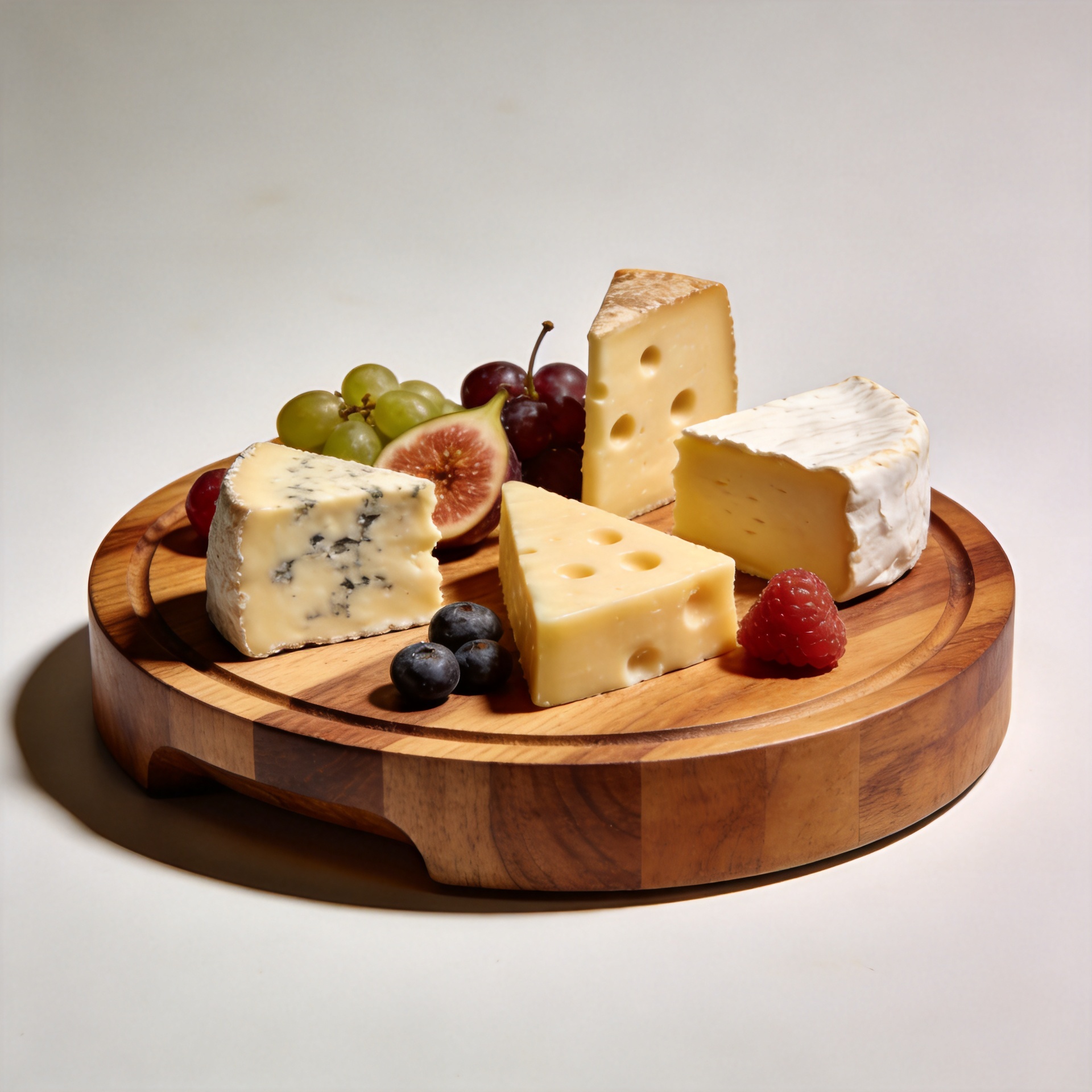
Alignea at Box videtur simplex, sed electio ligni determinat utrum maneat quadrata, resistat ad vulgares impressiones, accipiat finem nitidum, et conveniat ad res intra. Pro mercatoribus et emptoribus professionalibus, quaestio non est quae species universaliter "optima" sit. Est autem quae materia conveniat ad usum destinatum, ad pretium exspectatum, ad finem, et ad modum productionis. Parva casseta pro rebus pretiosis, imponibilis organizator ligneus , et magna cum operculo casseta de stoccage lignea ponunt diversas exigentias in materiam.
Ex perspectiva quaerendi productorum lignorum, aspectus est tantum punctum initiale. Grano spectaculare potest vendere specimen, sed consistentia materiae et durabilitas finis solent decernere utrum lignea at Box bene perficiat per totam seriem productionis. Responsum practicum est comparare ligna dura, ligna mollia, et tabulas ingeniosas contra usum cassetae, non autem eligere sola colore.
Incipe ab opere quod casseta tua lignea de stoccage debet facere
Antequam eligas inter materiales pro cassettis de stoccage , define the load, location, and user expectations. A lignea at Box for lightweight craft supplies can prioritize economy and paintability. A box for watches, documents, tea, or accessories benefits from a stable substrate, a smooth interior, and a lid that remains aligned. A retail display box needs repeatable color and dimensions across many units. If the box may be handled frequently, stacked, or moved through a busy entryway, dent resistance and joinery matter more.
Wood also exchanges moisture with its surroundings. USDA material guidance explains that this exchange varies with humidity, temperature, and the wood’s current moisture level. That is why even a premium solid wood box can develop gaps, sticking lids, or panel movement if lumber is not appropriately conditioned or if the design does not allow for movement. A finish slows moisture exchange; it does not make wood completely waterproof. For a lignea at Box , sealing the interior, underside, edges, and lid consistently is a practical quality-control detail.
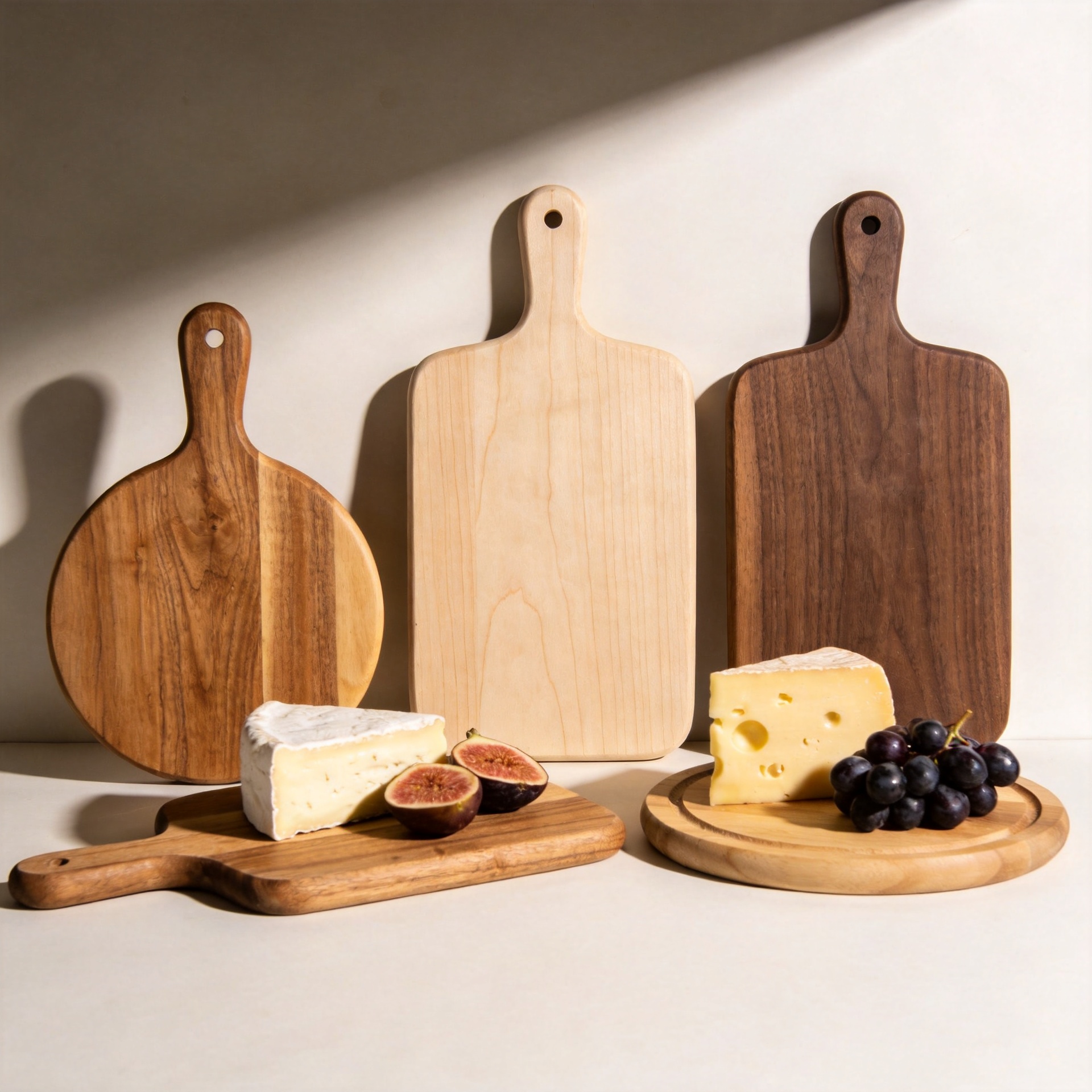
Strong all-around choices: oak, maple, and acacia
Oak for visible grain and dependable everyday use
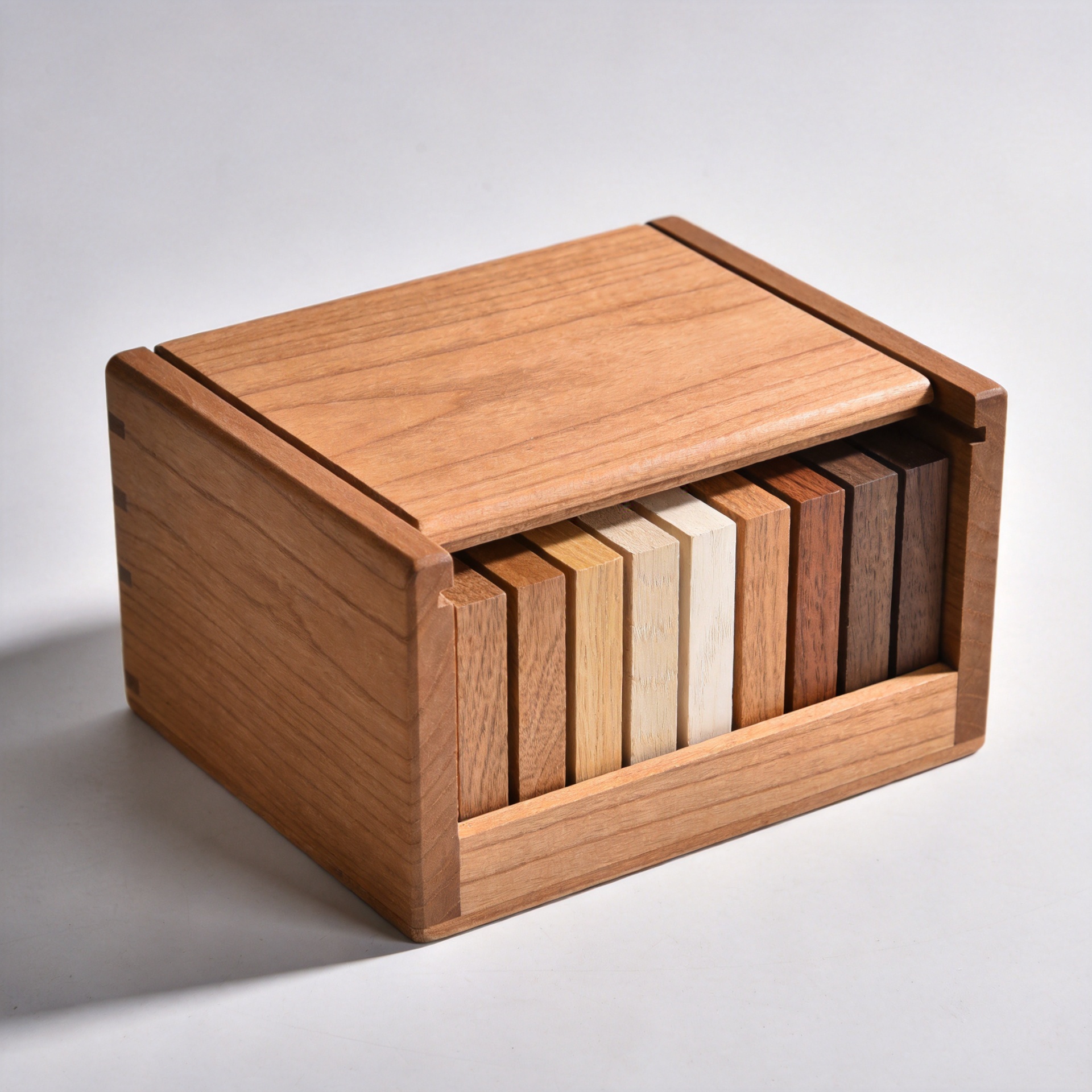
Oak is a strong candidate when a lignea at Box should feel substantial and show recognizable natural grain. Its open grain gives a traditional or rustic character, especially under clear stain or oil. Oak works well for medium-to-large boxes, household storage, and retail collections where a warm, furniture-like look is wanted. It is not automatically the right choice for every small organizator ligneus : the pronounced grain may require extra filling or sanding when a perfectly smooth painted finish is the goal.
Maple for a clean, refined surface
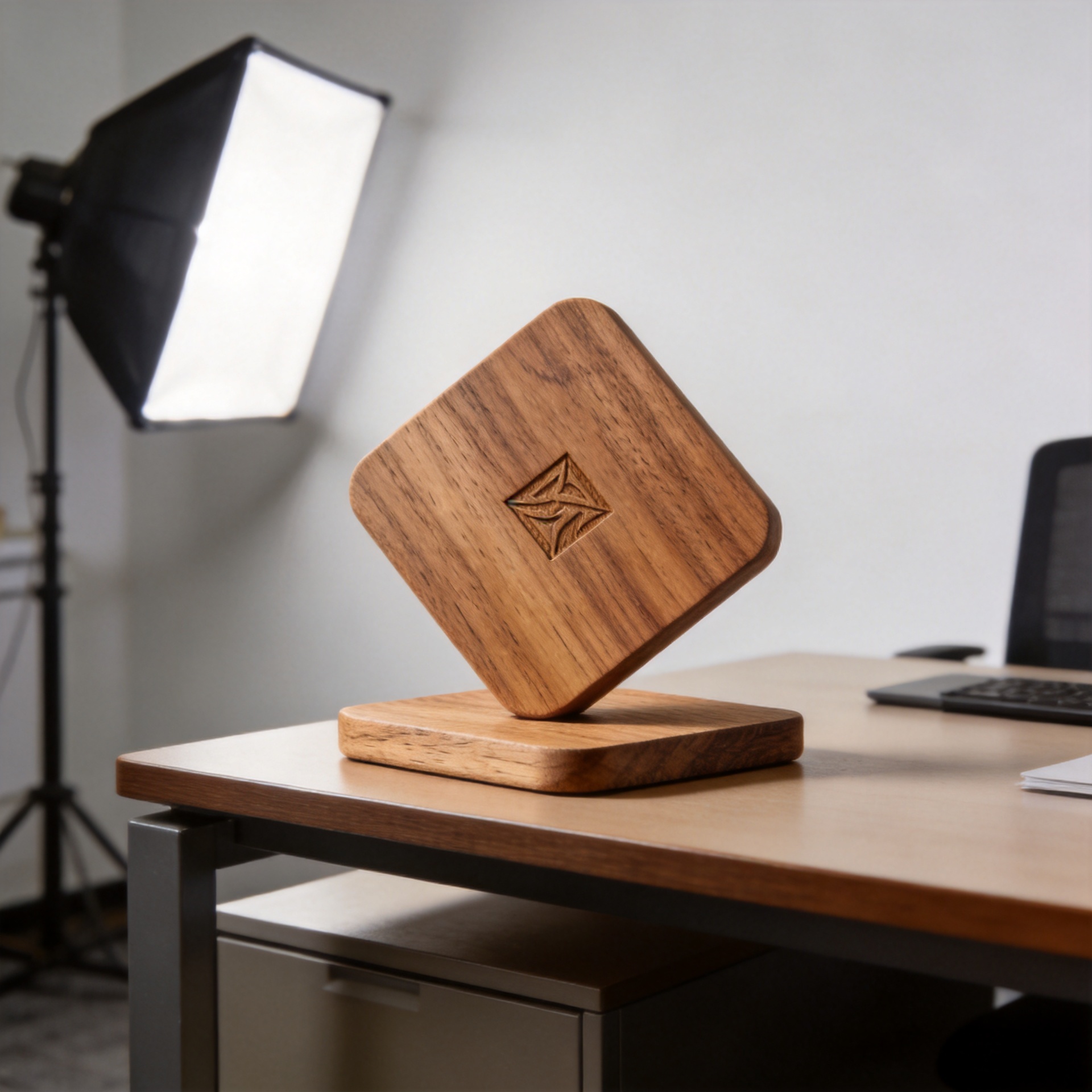
Maple suits a lignea at Box that needs a light, even appearance and good resistance to routine wear. Its fine, close grain supports crisp edges and a polished feel, making it useful for gift boxes, desktop organizers, and boxes with engraved or branded details. Search material references commonly place hard maple around 1,450 lbf on the Janka scale and white oak around 1,360 lbf; those figures are useful directional indicators of dent resistance, not guarantees for a finished box. Grain orientation, wall thickness, joinery, and finish still matter.
Acacia for contrast and character
Acacia is often chosen for a solid wood box when a stronger color contrast and lively grain are part of the product appeal. It can make a compact casseta de stoccage lignea look premium without adding decorative hardware. The trade-off is variation: samples can differ in tone and grain. For a coordinated retail range, ask for approved color limits, finish samples, and a clear process for sorting boards. Acacia is a good fit when natural variation is a feature, not a defect.
Other useful woods for specific storage-box needs
Walnut for premium presentation
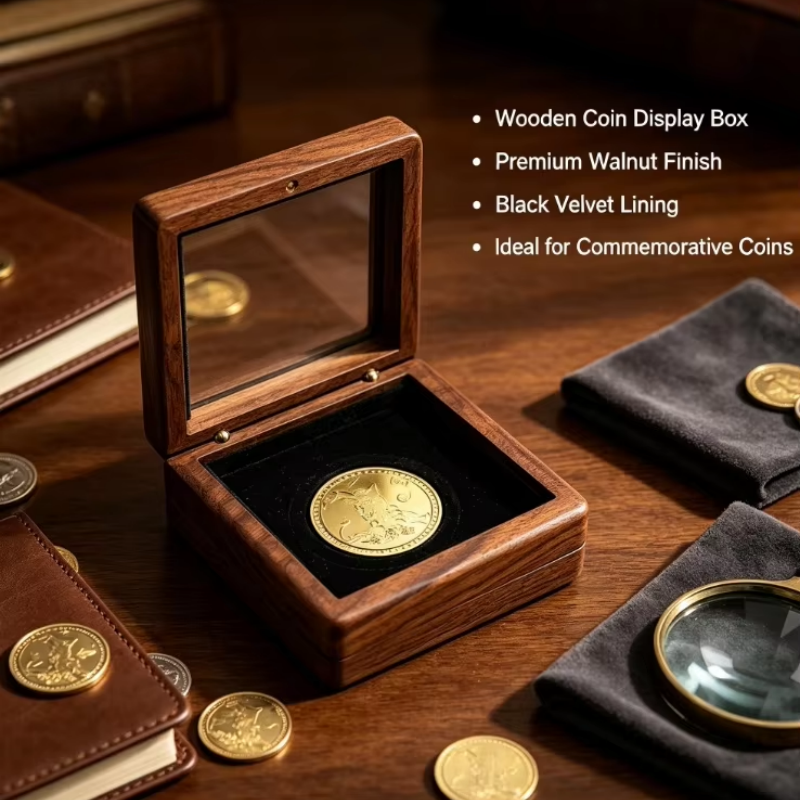
Walnut gives a lignea at Box a dark, sophisticated appearance that works well for executive gifts, keepsakes, and high-value presentation packaging. It is usually selected for visual value rather than the lowest material cost. A transparent finish preserves its character, while an opaque paint would hide much of the reason to specify walnut.
Birch for paint, veneers, and consistent production
Birch is a practical option for a organizator ligneus with painted surfaces or a clean, understated finish. Birch plywood can also be useful where flat panels and repeatable dimensions are more important than solid-wood grain. If a buyer specifies a veneered panel box, inspect edge treatment, veneer matching, and the substrate quality. “Wooden” may not mean solid lumber, and that distinction should be clear in product specifications.
Pine et populus pro levi, pretio ductis cistulis
Pine et populus facere possunt aequabilem lignea at Box ad usum intus oneris levis, ad opera artificiosa, aut ad collectiones pictas. Ambae facilius conciduntur quam multae lignorum durorum species, ideo minus idoneae sunt ad cistulam frequenter tractatam cum incopta finitione clara. Nodi et coloris varietates in pino pulchrae esse possunt in rustico programma; superficies populi relativae uniformitas saepe eam meliorem facit candidatam ad pingendum. Neutra est via brevis ad bonas artes siccandi, limandi, et finiendi.
Lignum solidum, contraplacatum, aut venereum: constructionem honeste selige
Asolid wood box offert verum venum et sensum tactilis gratificans, sed tabulae solidae se movent trans venam dum condicionibus mutantur. Tabulae tenues, constructio tabularum flottantium, et bene designatae iuncturae hanc motum regunt. Contraplacatum saepe est stabilior optio pro latissimis, planis lateribus aut fundis in lignea at Box , praesertim cum consistentia dimensionum essentialis est. Veneer super tabulam stabilem aspectum pretiosi ligni praebere potest, simul efficienter materiam utens. Optima materiales pro cassettis de stoccage electio pendet a promissione producti, non ab universali affirmatione unius constructionis superioritatis.
Index ementoris antequam cistula lignea approbatur
- Adhibe speciem ad usum accommodatam: Elige acerem, quercum, aut acaciam pro usu cotidiano magis exigente; utere nuce ubi valor ostensionis praecipuus est; considera pinum aut populum pro programmatibus pictis et levioris officii.
- Examina umorem et aptitudinem: Aperi et claude operculum postquam exemplaria ad temperaturam habituam redacta sunt; inspice angulos, interstitia tabularum, et planitatem basis.
- Examina finitionem in omni superficie: Intue intra lignea at Box cistulam, sub basi, ad marginem operculi, et circa ferramenta—non solum in facie ostensionis.
- Set variation expectations: For natural wood, approve a color and grain range. For repeatable merchandising, define what is acceptable before mass production.
- Check function, not only appearance: Test stacking, weight, lining adhesion, hinges, handles, and odor suitability for the intended contents.
Recomendatio practica
For a versatile, durable lignea at Box , oak, maple, and acacia are usually the strongest starting shortlist. Choose oak for visible traditional grain, maple for a smooth refined surface, and acacia for distinctive natural contrast. Select walnut when the box is primarily a premium presentation piece; select birch plywood, pine, or poplar when paintability, panel stability, or value is the priority.
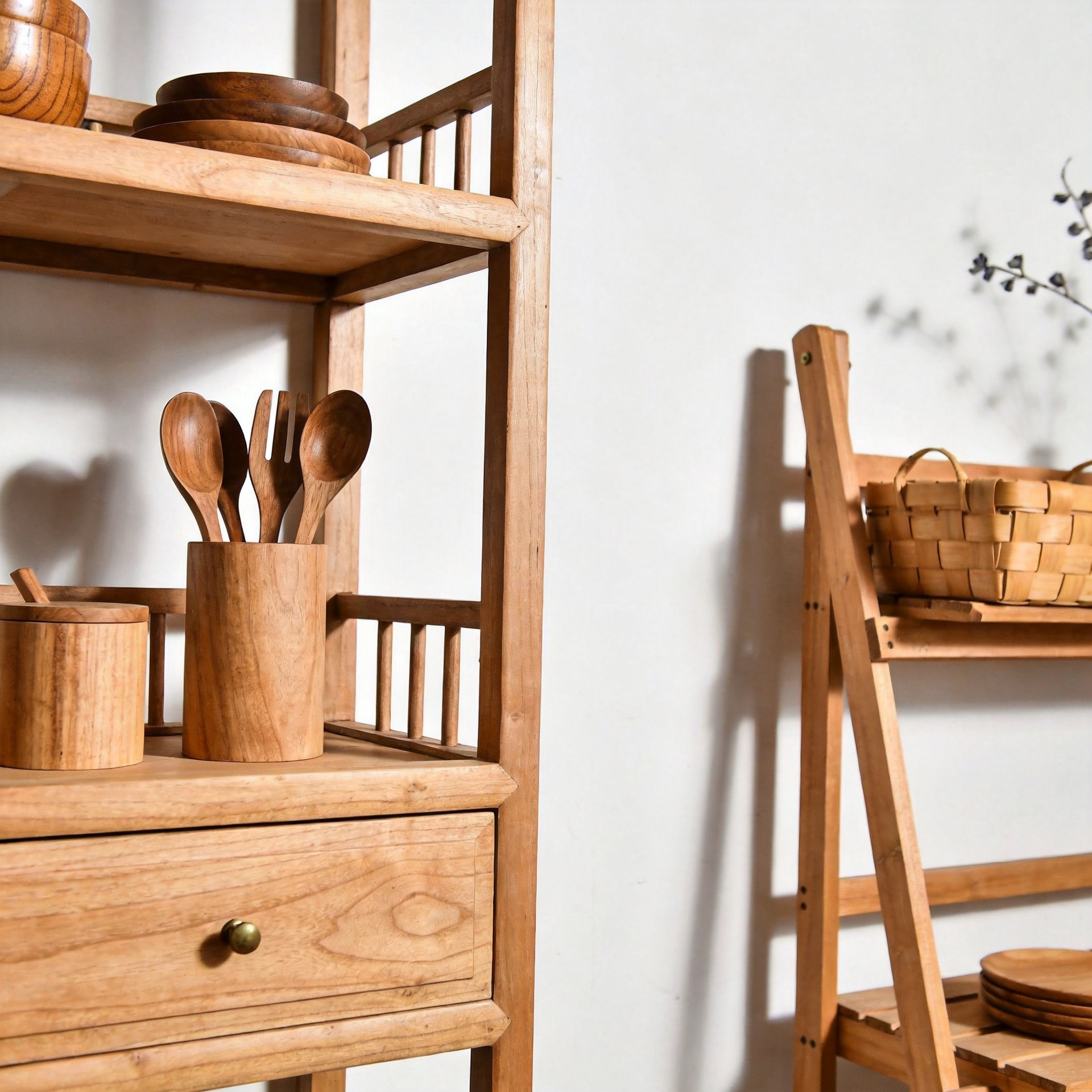
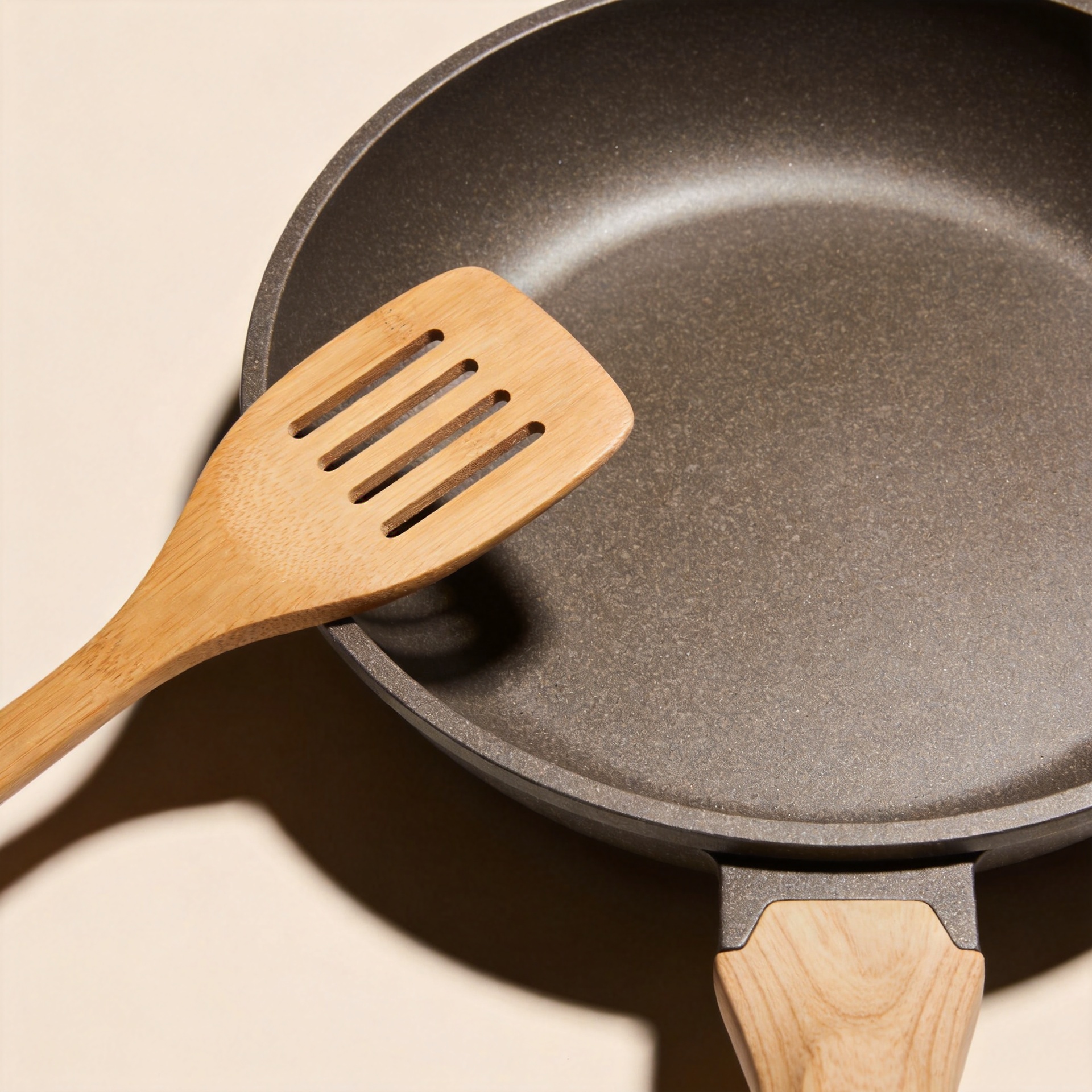
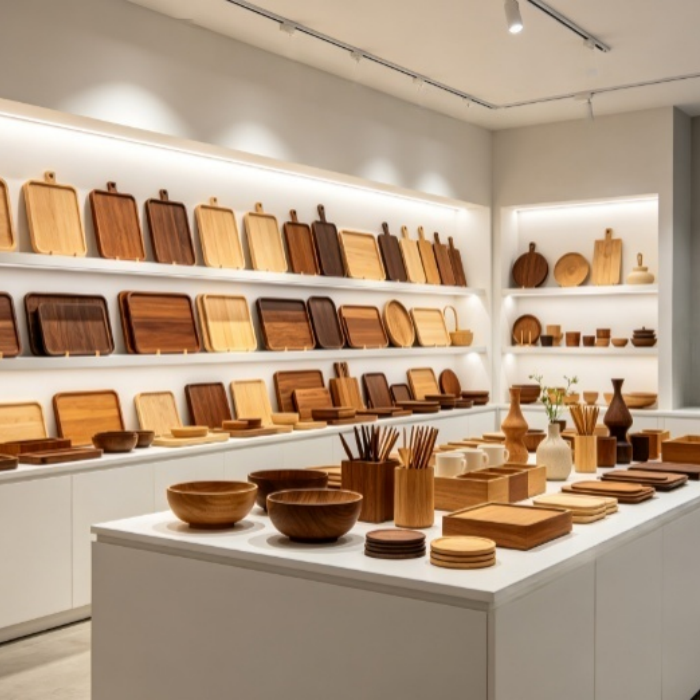
No one wood species fits every lignea at Box . Decisio bona ex congruentia specierum, constructionis, finitionis et inspectionum qualitatis cum opere reali quod arca facere debet oritur. Caoxian Kangyi Wood Products Co., Ltd. operatur in armariis lignosis ad conservandum, vasis culinariis lignosis et mobilibus lignosis; ideo latior facultas artis lignariae eius emptoribus auxilium praebet qui formata et directiones materiales comparare volunt antequam programmatum definitivum constituatur.