Wooden Utensils for Cooking | Wholesale & Custom Options

Welcome to our store!Black Friday Sale!

showlist/wooden-utensils-for-cooking, showlist/wooden-utensils-for-cooking, 
Inquiry
Inquiry
Customer Reviews of Wooden Cooking Utensils

Customer Reviews of Wooden Cooking Utensils

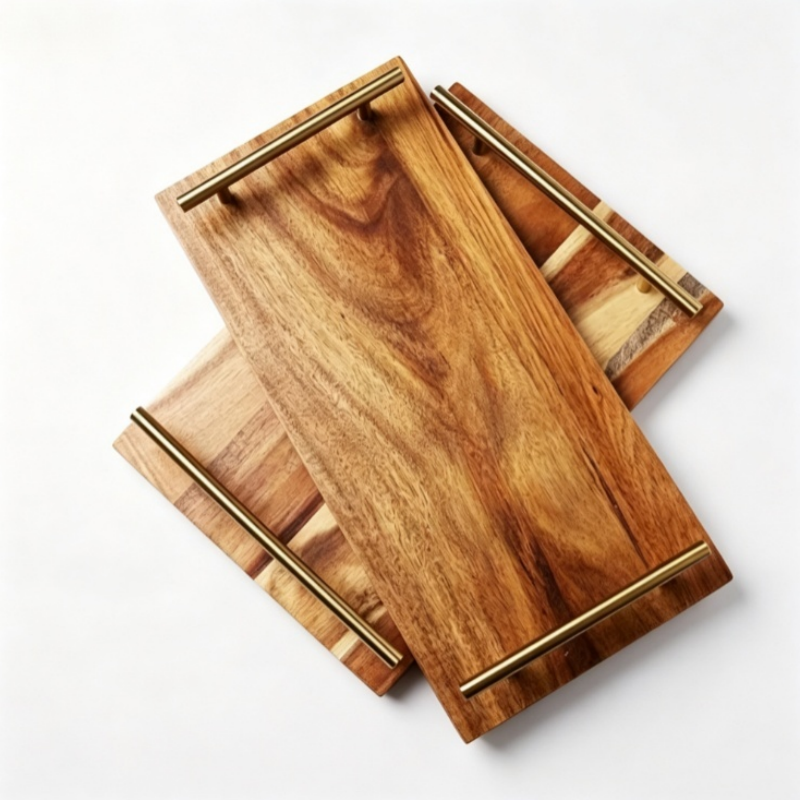
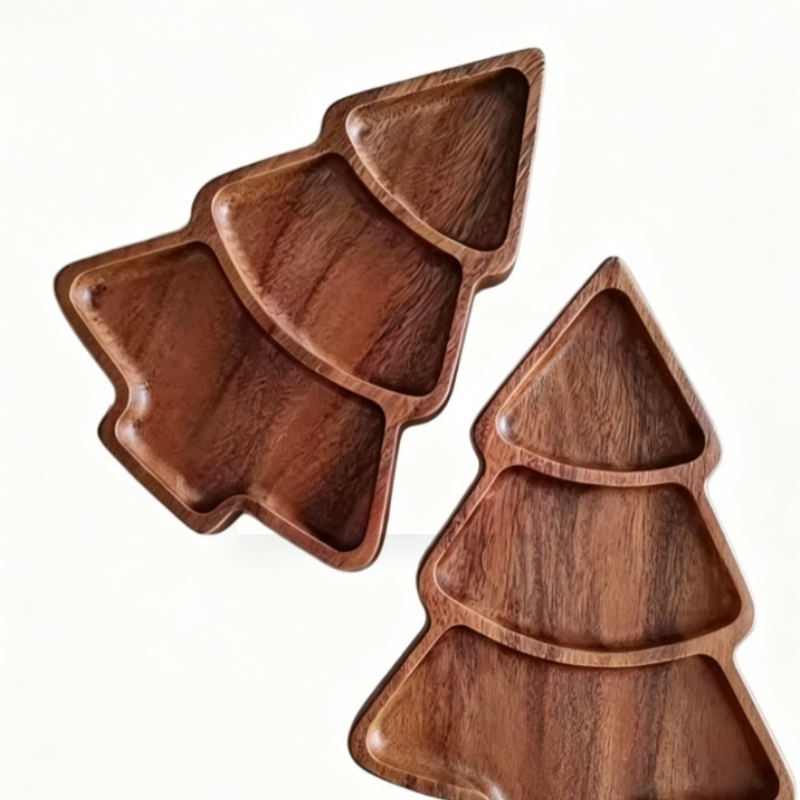
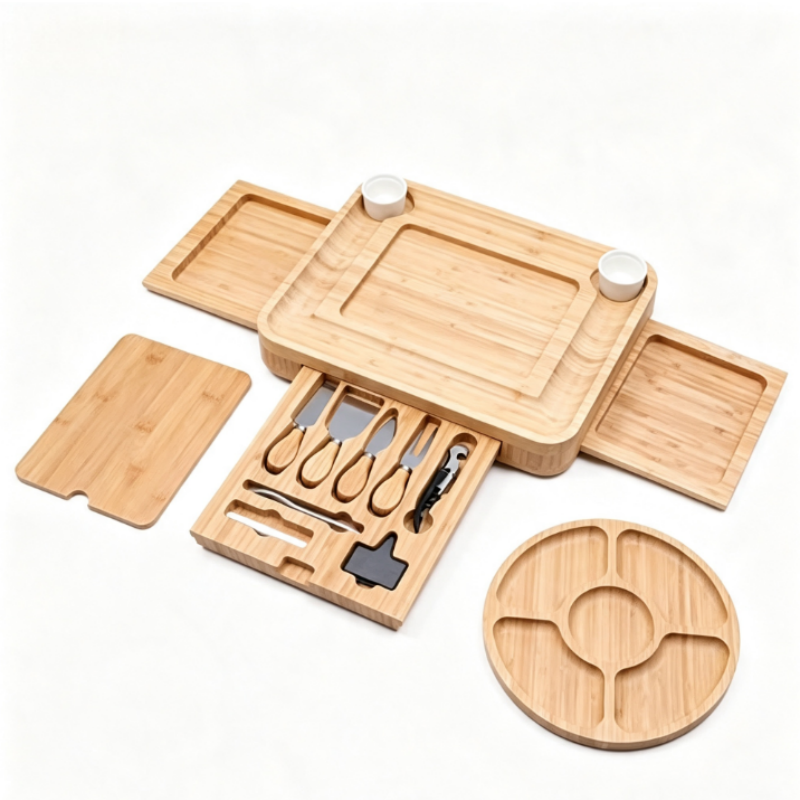
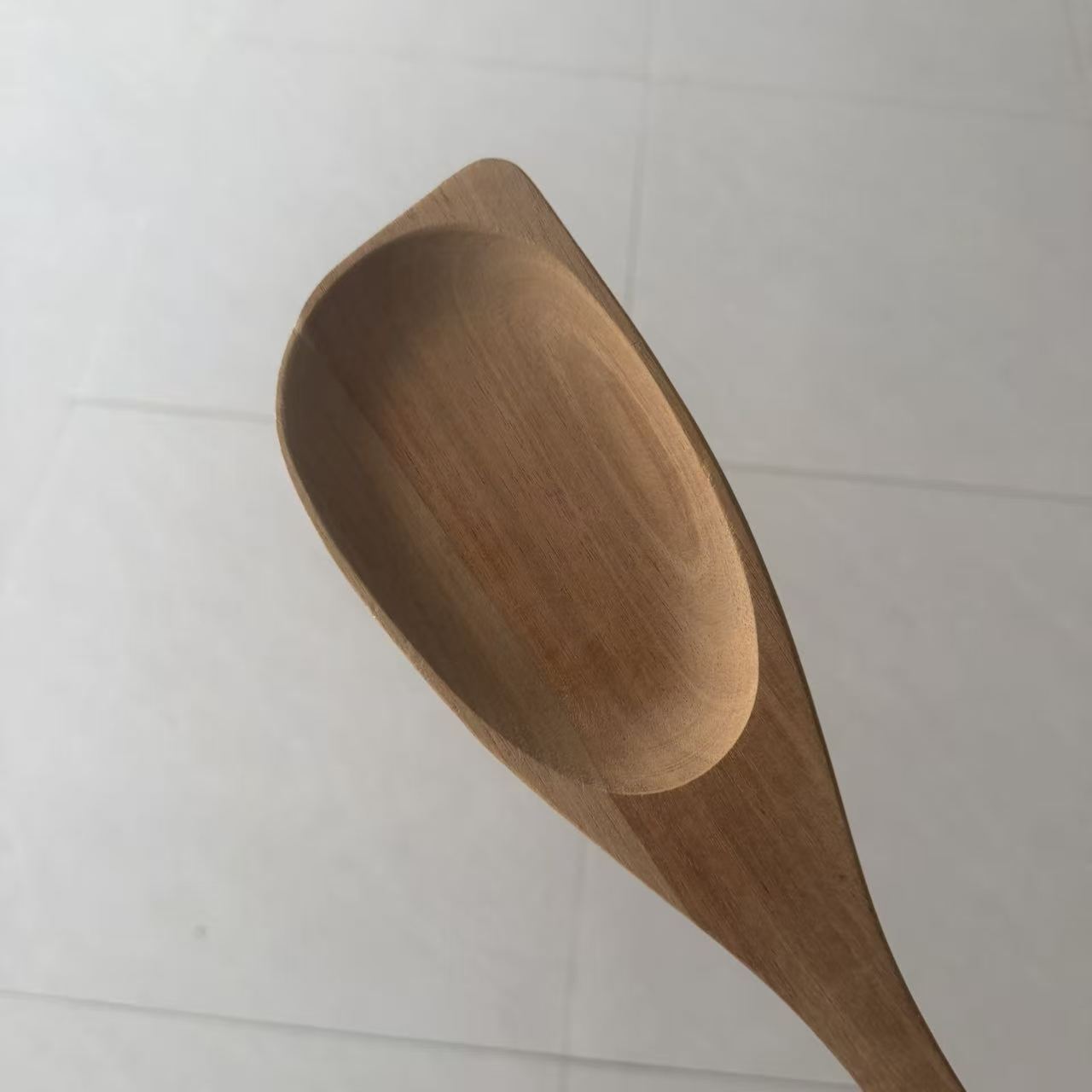
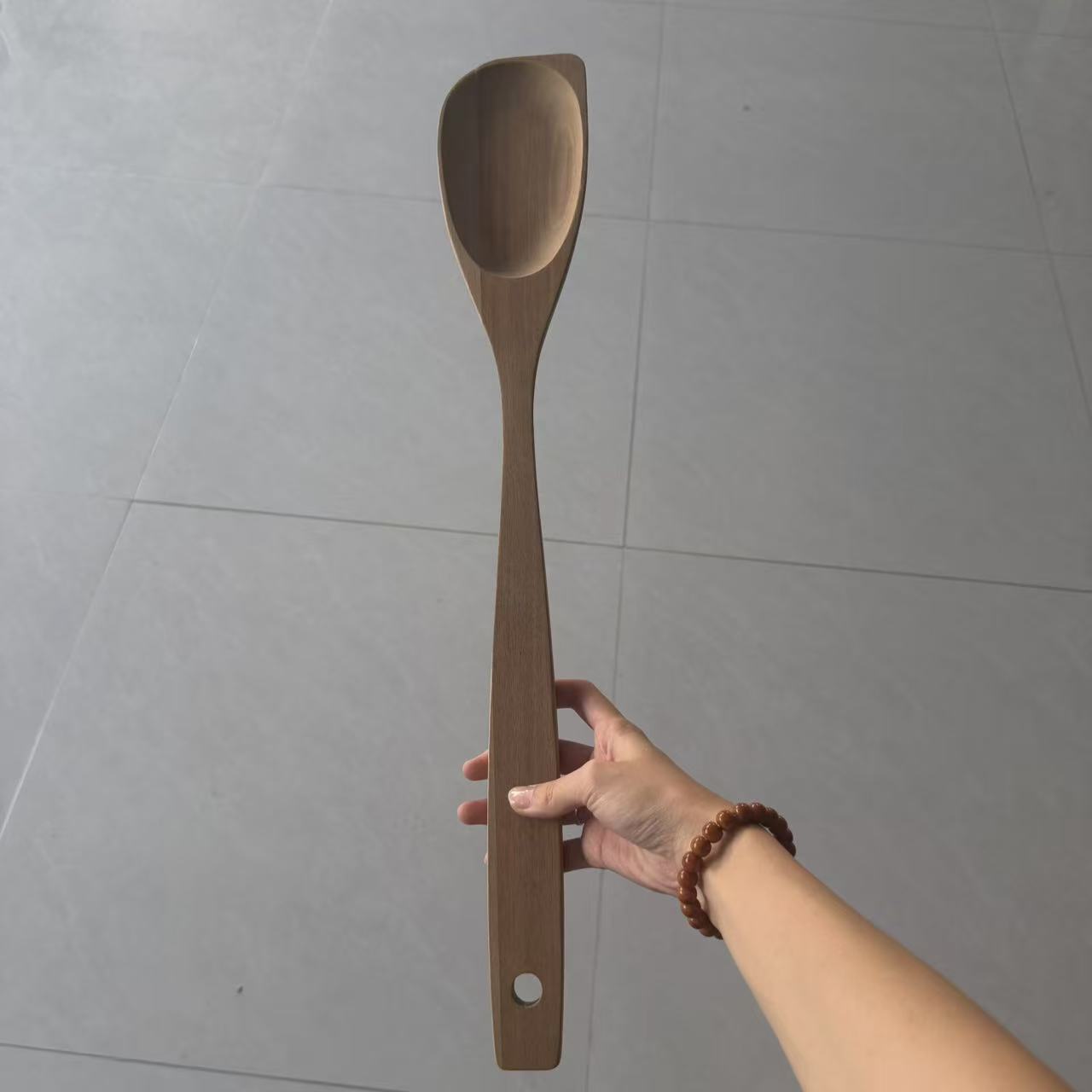
Wooden utensils for cooking bring a natural look and practical functionality to everyday food preparation. Spoons, spatulas, turners, and mixing tools support tasks ranging from stirring sauces to folding ingredients and serving cooked dishes. Their wooden surfaces offer an alternative to metal utensils for many cookware applications, although compatibility depends on the utensil design and intended use. Kangyi Wood Products supports wholesale buyers seeking coordinated kitchenware collections, with customization discussions covering wood selection, dimensions, surface finishing, branding, and packaging. Retailers can combine cooking utensils with wooden chopping boards, bowls, and serving trays to build complementary assortments. Clear material specifications and care guidance help buyers select products suited to their target markets.
Get A Quote

Case Study

Private Label Cooking Utensils for Homeware Brands

Brands developing private-label kitchen accessories can consider wooden cooking utensils as adaptable products for gift sets and everyday kitchen collections. Depending on manufacturing capabilities and order requirements, customization may include wood species, utensil shapes, dimensions, surface finishes, logo placement, and packaging. Before bulk production, purchasing teams should assess samples for smooth finishing, handle comfort, and consistent workmanship. For instance, a brand selling wooden bowls and cutting boards could introduce matching cooking spoons and spatulas to strengthen its collection. Documented specifications and approved samples help establish clear quality expectations, while suitable packaging supports storage, transport, and presentation across retail and online sales channels.

Cooking Utensils for Cafés and Foodservice Operations

Cafés, cooking schools, and hospitality businesses may use wooden utensils for selected preparation, mixing, and serving tasks. Their natural appearance suits open kitchens and food presentation areas where material consistency contributes to the overall visual experience. Buyers should assess utensil strength, handle dimensions, cleaning requirements, and suitability for the specific food-contact application. For example, a cooking workshop may select several spoon and spatula styles for ingredient mixing and demonstrations, while a café may prioritize serving tools that complement its presentation style. Commercial buyers should confirm cleaning procedures and replacement needs before choosing products for repeated use in operational environments.

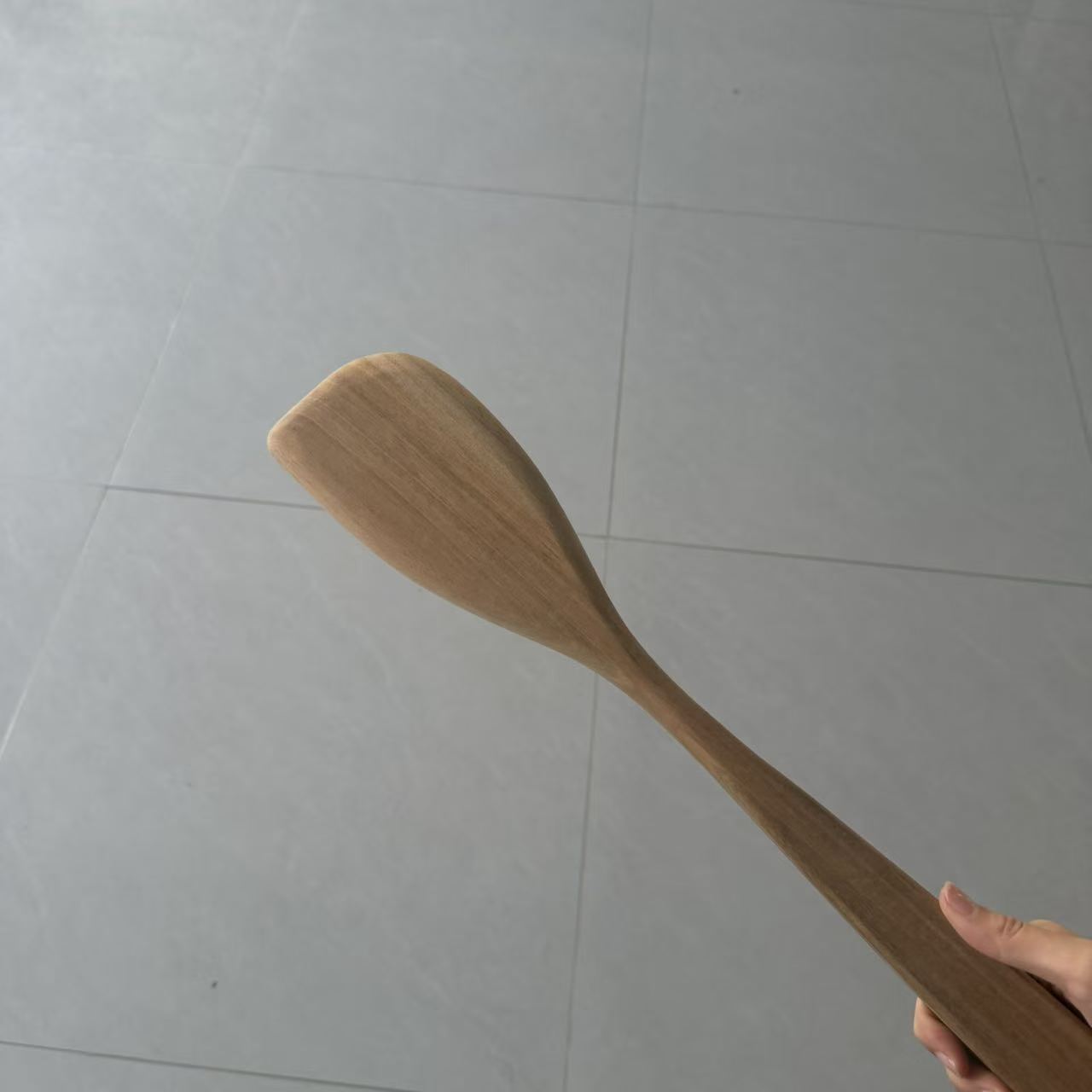
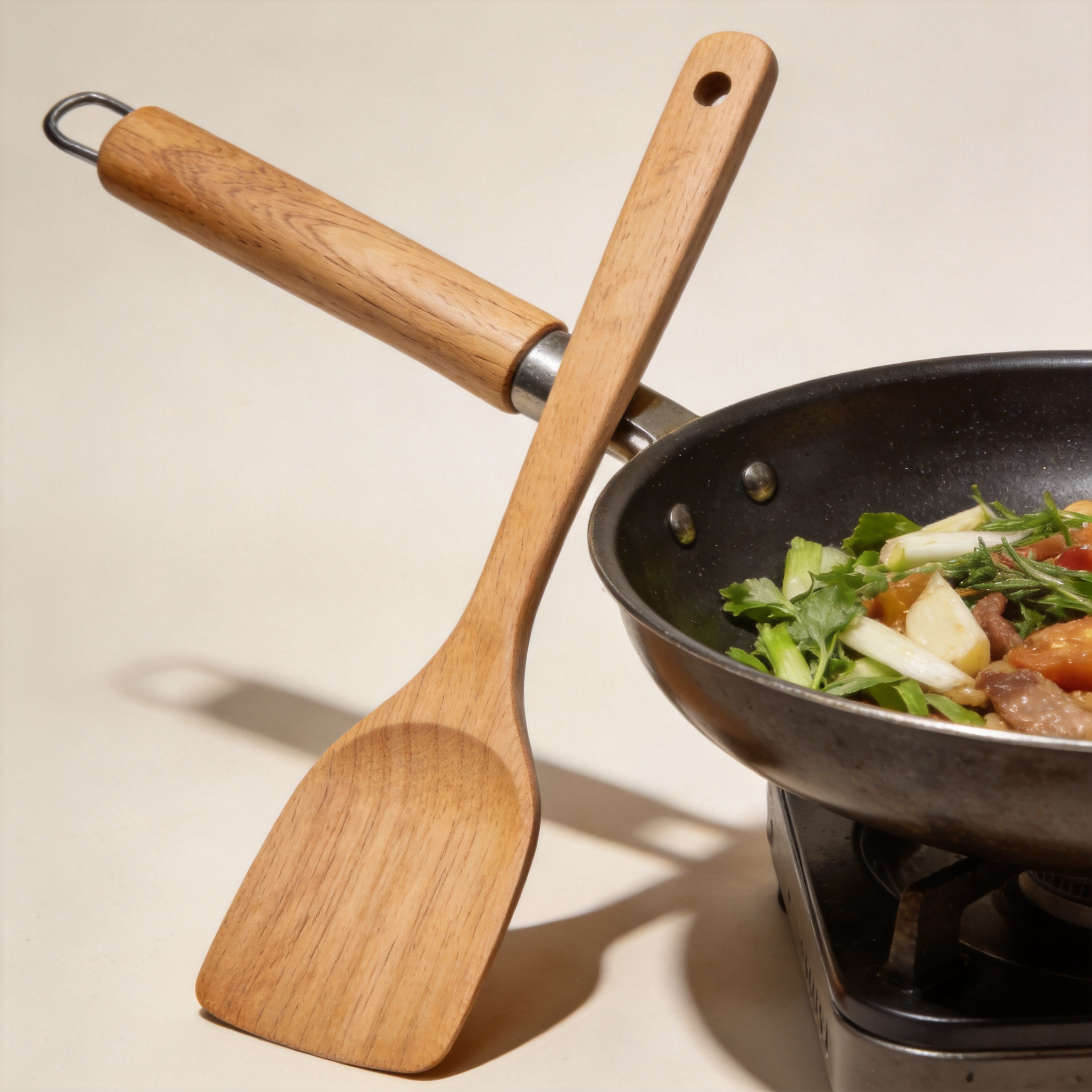
Wooden utensils for cooking provide practical tools for stirring, mixing, turning, scraping, and serving food. Common options include wooden spoons, spatulas, turners, and specialty utensils designed for particular preparation tasks. Their natural appearance complements a wide range of kitchen styles, from traditional home cooking spaces to contemporary kitchenware collections. Kangyi Wood Products develops wooden kitchenware for wholesale customers seeking products that can be coordinated across multiple categories. Buyers can discuss material selection, utensil shapes, dimensions, surface finishes, logo applications, and packaging according to their project requirements. Individual utensils can also be grouped into sets to suit retail assortments, promotional programs, or gift collections. When selecting cooking utensils, buyers should consider handle comfort, edge shape, surface smoothness, construction consistency, and intended cookware compatibility. Wooden utensils are often chosen for use with coated cookware, but suitability depends on the actual design and the cookware manufacturer's instructions. Wood is a natural material, so variations in grain and color should be considered during sample approval. For products intended for food contact, request relevant material and finish documentation for the destination market. Clear maintenance instructions, including handwashing and prompt drying where recommended, help customers care for their utensils. Confirming specifications before production supports consistent purchasing decisions and helps retailers build practical, coordinated kitchenware collections.

Frequently Asked Questions

What types of wooden utensils are used for cooking?

Common wooden cooking utensils include spoons, spatulas, turners, mixing tools, and serving utensils. Each shape supports different tasks, such as stirring sauces, folding ingredients, or turning food. Buyers should choose designs based on cooking habits, handle comfort, dimensions, and compatibility with the intended cookware.
Customization may include wood selection, utensil shapes, dimensions, surface finishes, branding, and packaging, subject to manufacturing capabilities and minimum order requirements. Buyers should provide target specifications and estimated quantities when requesting a quotation. Reviewing samples before production helps confirm workmanship, appearance, and functional expectations.
Many wooden utensils can be suitable for nonstick cookware because they are generally less likely to scratch coatings than metal tools. However, suitability depends on the utensil's condition and the cookware manufacturer's guidance. Avoid using utensils with splinters, cracks, or rough edges that could damage the cooking surface.
Wash wooden utensils by hand with mild dish soap and warm water, then dry them promptly. Avoid prolonged soaking and dishwasher cleaning unless the manufacturer specifically confirms suitability. Inspect utensils regularly for cracks, splinters, or persistent damage, and follow the supplier's maintenance recommendations to support safe, practical use.
Importers should confirm wood species, dimensions, finish, workmanship, packaging, order quantities, and delivery schedules. For food-contact products, request relevant documentation for the destination market. Reviewing production samples and agreeing on acceptable grain variation helps establish consistent quality expectations before placing a wholesale order.

Related article

Premium Woodware Manufacturing | TimberCraft Pro

11

Sep

Premium Woodware Manufacturing | TimberCraft Pro

Partner with Caoxian Kangyi for premium woodware manufacturing. 99% stable 8%-12% kiln-dried wholesale Acacia cutting boards with CNC precision.
View More
What Is a Wooden Spatula Used for in Everyday Cooking?

27

Oct

What Is a Wooden Spatula Used for in Everyday Cooking?

Learn what a Wooden spatula does in everyday cooking, from stirring and flipping to pan care, cleaning, and choosing the right shape.
View More
Wooden Bread Storage Box Materials and Ventilation Design Explained.

27

Oct

Wooden Bread Storage Box Materials and Ventilation Design Explained.

Learn how wooden bread storage box materials and ventilation design balance freshness, cleaning, and everyday kitchen use.
View More
Why Are Wooden Cheese Boards Popular in Hospitality?

28

Oct

Why Are Wooden Cheese Boards Popular in Hospitality?

Discover why a wooden cheese board helps restaurants, hotels, and caterers elevate food presentation with practical buying guidance.
View More

Customer Testimonials

Daniel Foster

Our kitchenware customers appreciate the smooth wooden finish and practical utensil designs. The collection suits everyday meal preparation and complements wooden cutting boards, bowls, and serving accessories in retail assortments.

Emily Carter

The wooden cooking utensils offer a warm appearance and versatile styling. Coordinated designs and customizable branding help homeware retailers develop cohesive kitchen collections for different customer preferences and sales channels.

Get a Free Quote

Our representative will contact you soon.
0/1000
Functional Utensil Shapes for Different Cooking Tasks

Functional Utensil Shapes for Different Cooking Tasks

A well-planned wooden cooking utensil collection can include spoons for stirring, spatulas for folding and scraping, and turners for handling suitable foods during cooking. Selecting several shapes helps retailers address different preparation needs without relying on a single multipurpose tool. Buyers should compare utensil length, handle profile, head shape, and overall balance when evaluating samples. These details influence everyday usability and the suitability of each product for different cookware and cooking methods. For kitchenware brands, grouping complementary utensils into coordinated sets can simplify merchandising and create opportunities for gift collections. Clear product descriptions help customers identify the right tool for each task.
Natural Wood Craftsmanship for Custom Kitchenware Brands

Natural Wood Craftsmanship for Custom Kitchenware Brands

Wooden cooking utensils offer distinctive grain patterns and natural color variations that give each collection an individual appearance. Material selection and finishing choices can influence the final look, weight, and maintenance requirements. Wholesale buyers can discuss wood preferences, utensil profiles, dimensions, branding, and packaging to align products with their intended market. Since natural wood varies between pieces, approved samples and documented finish standards help establish realistic quality expectations. Retailers can coordinate utensils with chopping boards, bowls, and serving accessories to create a unified assortment. For food-contact applications, appropriate material documentation and care instructions should be confirmed before products are marketed or distributed.