AR

Why Are Wooden Cheese Boards Popular in Hospitality?
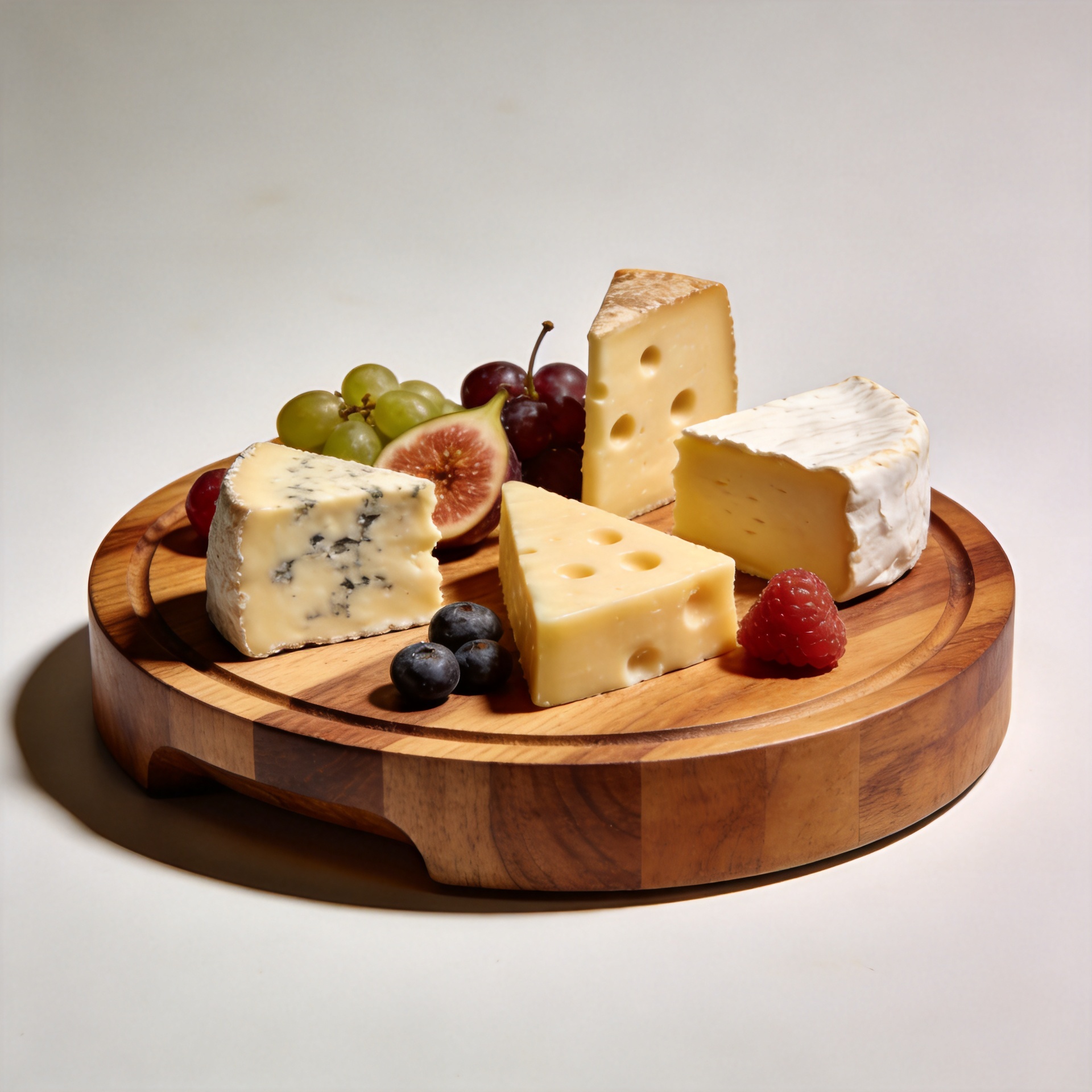
A wooden cheese board earns its place in hospitality because it does more than hold cheese. In a restaurant, hotel lounge, winery, or catered reception, it frames the food, supports a sense of occasion, and gives staff a flexible serving surface. For buyers, though, popularity should not be confused with automatic suitability. The right board has to look considered in front of guests, sit steadily during service, and fit a documented care routine behind the scenes.
From a wood-product sourcing perspective, the useful question is not simply whether wood looks premium. It is whether a wooden cheese board creates a dependable presentation experience while remaining practical for the venue’s menu, cleaning procedures, and reorder needs. That is why hospitality teams often evaluate material, finish, size, edge detail, and batch consistency together.
1. Wood makes food presentation feel intentional
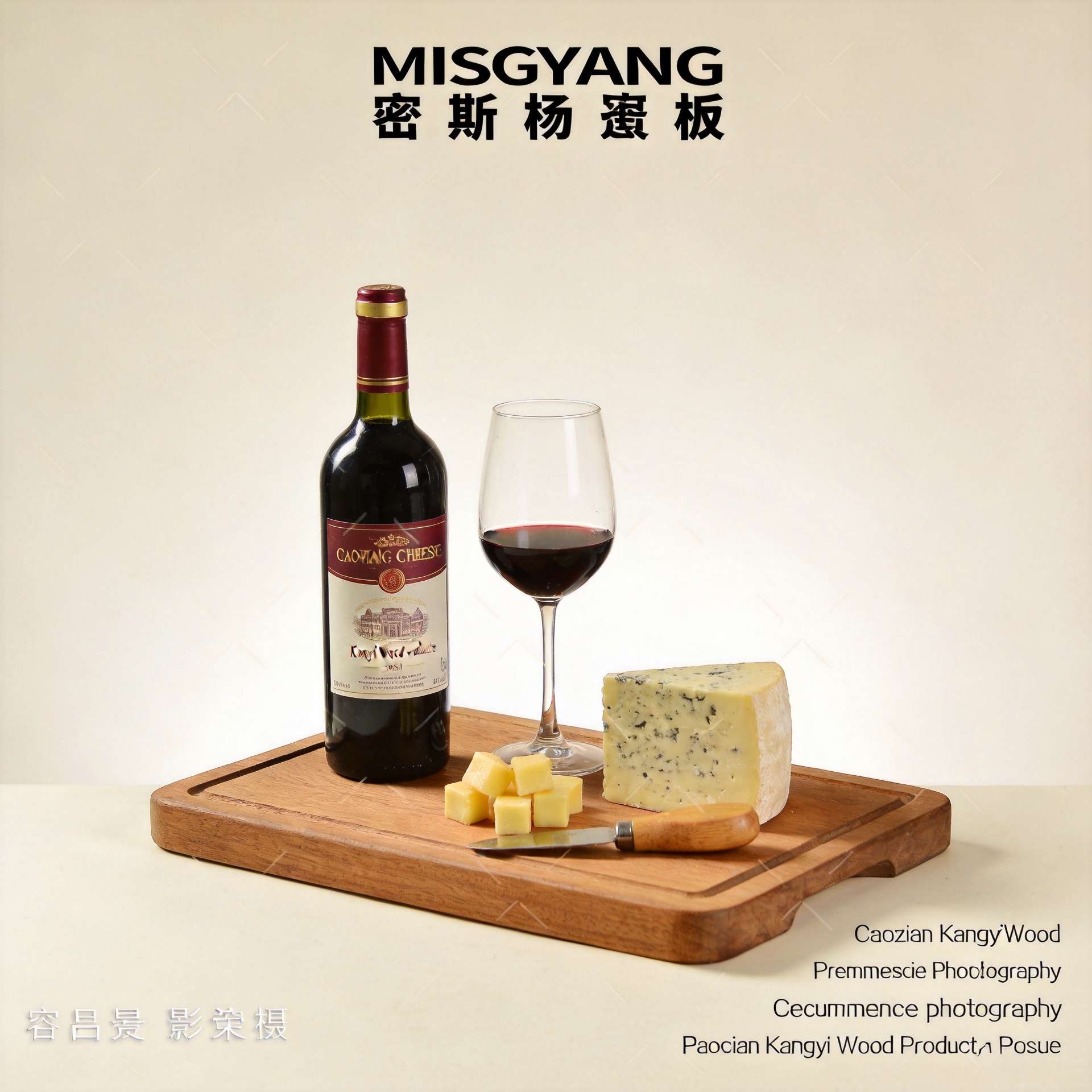
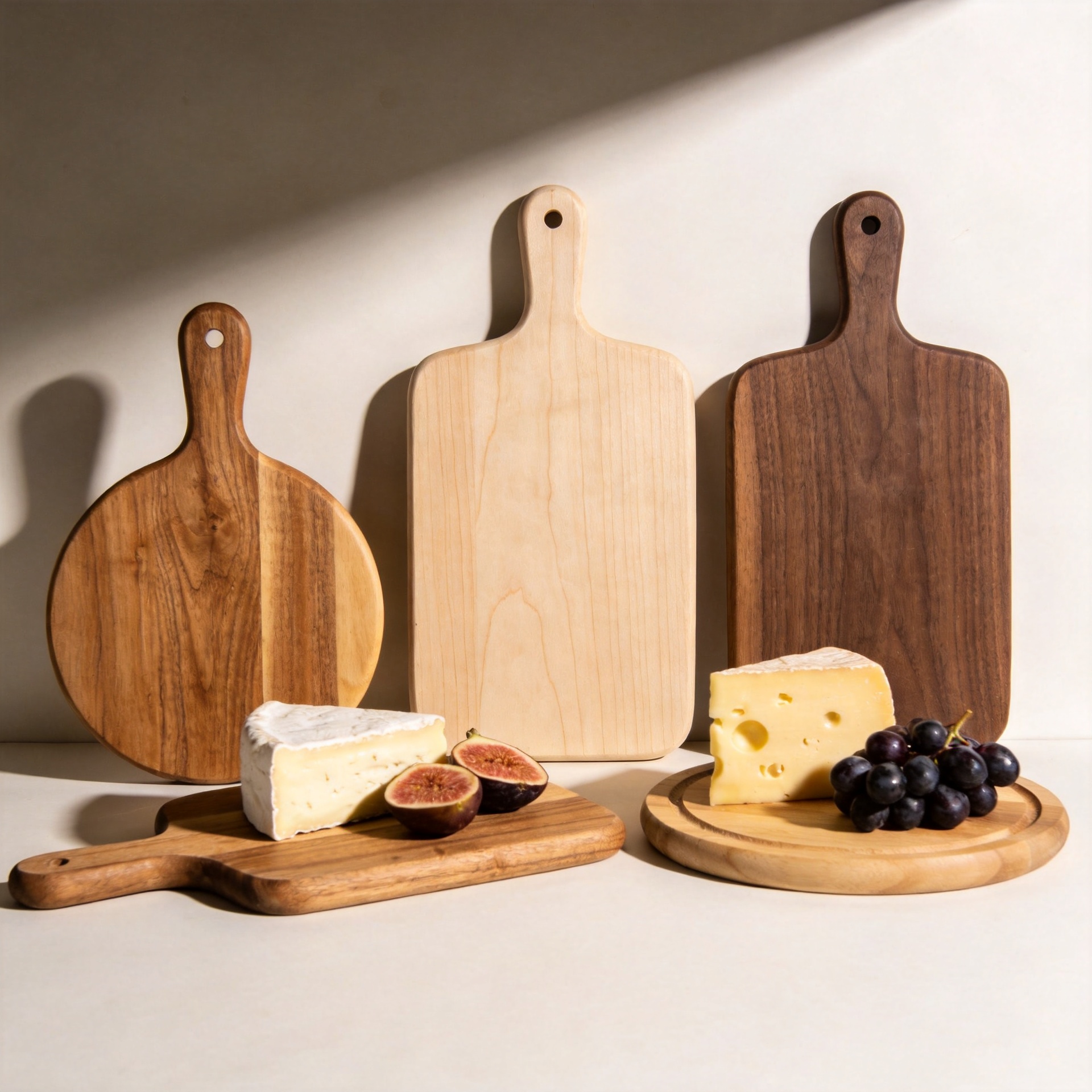
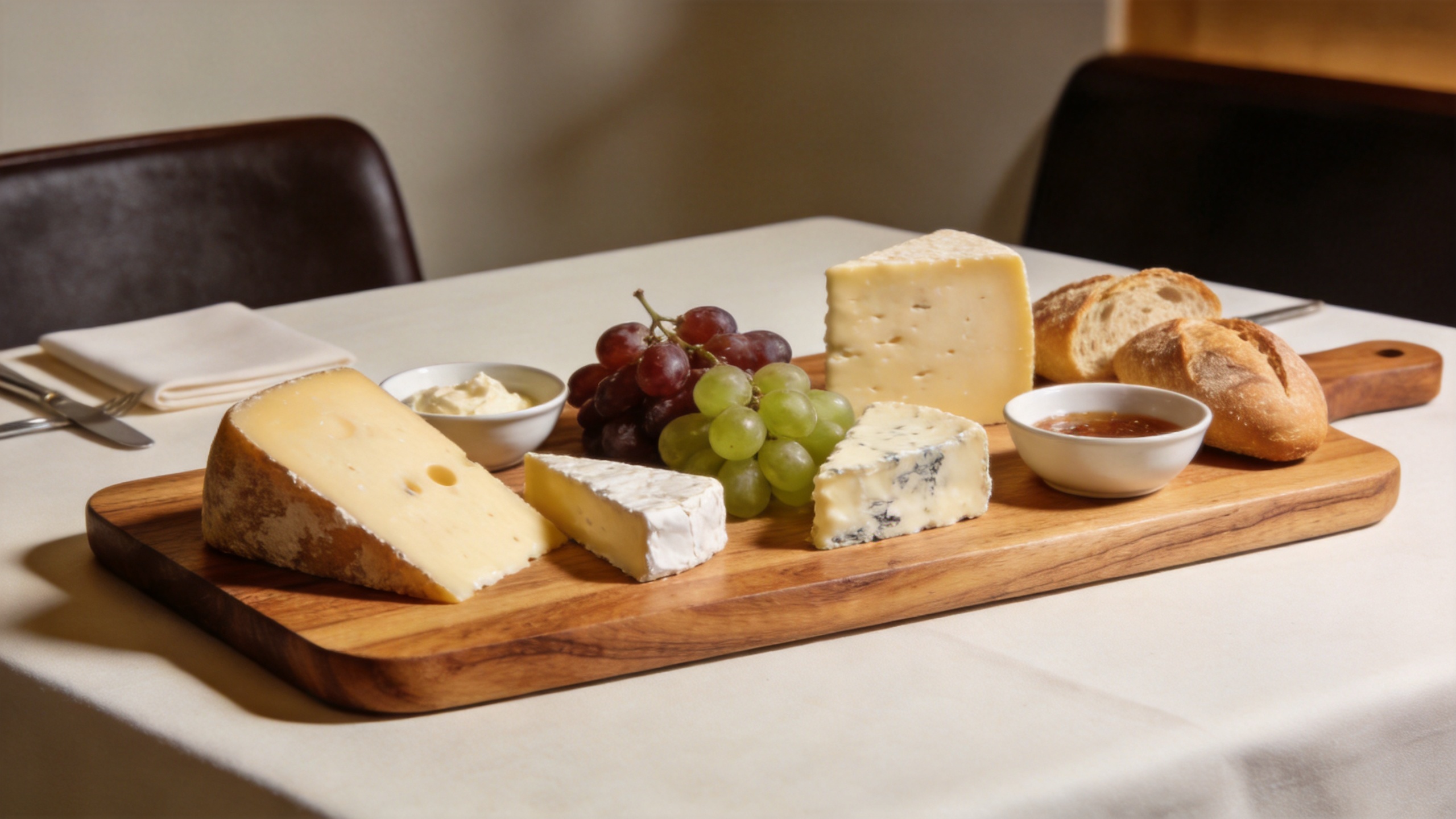
Cheese, fruit, bread, cured foods, and small accompaniments tend to stand out against a warm, grained surface. A wooden cheese board can make a composed plate feel less like a back-of-house prep item and more like part of the guest experience. This visual contrast is especially useful when venues want a casual-premium look without adding elaborate tableware.
Natural variation is part of the appeal. With acacia and other hardwood options, grain and tone can give a board character that plain serving surfaces do not provide. Yet hospitality buyers should define what acceptable variation means before ordering. A little movement in grain can feel authentic; inconsistent colour, rough finishing, or noticeably uneven dimensions across a group of boards can undermine a coordinated table setting.
That distinction matters for a restaurant cheese board used across several tables or locations. A buyer may prefer a natural look, but still need samples that establish a usable range for colour, grain, flatness, and finish.
2. A substantial board supports perceived value
Guests often judge a serving experience before they taste the food. The weight, edge profile, and surface feel of a wooden cheese board can signal care in the same quiet way as a well-chosen plate or linen napkin. For a hotel bar, room-service offering, or tasting event, that tactile cue can help a modest cheese selection feel more complete.
This is not an argument for the heaviest board available. Staff still need to carry it safely, clear it quickly, and store it efficiently. The better brief balances a substantial feel with a format that works in real service. In actual use, the way a board sits on a marble, timber, or stainless-steel surface is more noticeable than a product sheet suggests: base flatness affects stability when staff set down a loaded board.
A hotel serving board should therefore be assessed with the intended food arrangement and service surface in mind. Check whether the board rocks, whether its edges are comfortable to hold, and whether its proportions leave enough room for utensils, labels, or small ramekins where those are part of the presentation.
3. One board can work across several hospitality moments
Versatility is another reason wooden serving pieces are popular. The same basic format can support a wine-and-cheese pairing, breakfast bread service, a welcome amenity, a grazing-table section, or a shareable starter. That flexibility helps a venue build a consistent visual language across menus without purchasing a separate display piece for every occasion.
For a catering board, that benefit depends on the operating model. A board used for plated-style delivery may need a different size and edge treatment from one arranged at a buffet. Catering teams should clarify stackability, handling routes, storage space, and whether boards will be returned for washing between events. These details are mundane, but they are often what determines whether an attractive board remains in regular rotation.
4. Material and finish matter as much as appearance
Wood is not a single performance category. Species, moisture control, construction, sanding quality, and finish all influence how a wooden cheese board looks and wears. Acacia is often considered for serving pieces because its pronounced grain and naturally warm tone support food presentation, while its material characteristics can suit well-managed kitchen environments. Still, buyers should ask for the specific construction and finish information rather than relying on a species name alone.
For food-contact use, request clear documentation for the intended market and confirm what routine care the supplier recommends. Food-service operators must follow their local requirements and approved sanitation procedures. General guidance on wooden boards may be useful, but it does not replace local regulations, menu-specific controls, or a venue’s own hygiene plan.
It is also wise to separate serving from raw-food preparation in the brief. A wooden cheese board intended for ready-to-eat cheese, bread, and fruit has a different exposure profile from a board used to prepare raw proteins. Defining the use case helps procurement teams set appropriate cleaning, replacement, and staff-training expectations.
5. Care routines protect the investment
A good-looking board needs a repeatable care routine. Staff should know how boards are washed, sanitized where appropriate, dried, inspected, and removed from service when damaged. Periodic conditioning may help limit drying and cracking, but it is not a substitute for cleaning or inspection.
- Specify the intended food use and avoid treating one board as a universal prep surface.
- Confirm the venue’s approved cleaning and sanitation procedure before rollout.
- Inspect for deep cuts, splinters, cracks, loose components, and warping.
- Provide concise care instructions with the receiving and service teams.
- Plan a replacement cycle for heavily used pieces rather than waiting for visible failure.
Once buyers start tracking return rates, guest comments, and replacement frequency, the priority often shifts from the lowest unit cost to the most consistent finish and service life. That is a more useful commercial measure than a good first impression alone.
6. What hospitality buyers should check before ordering
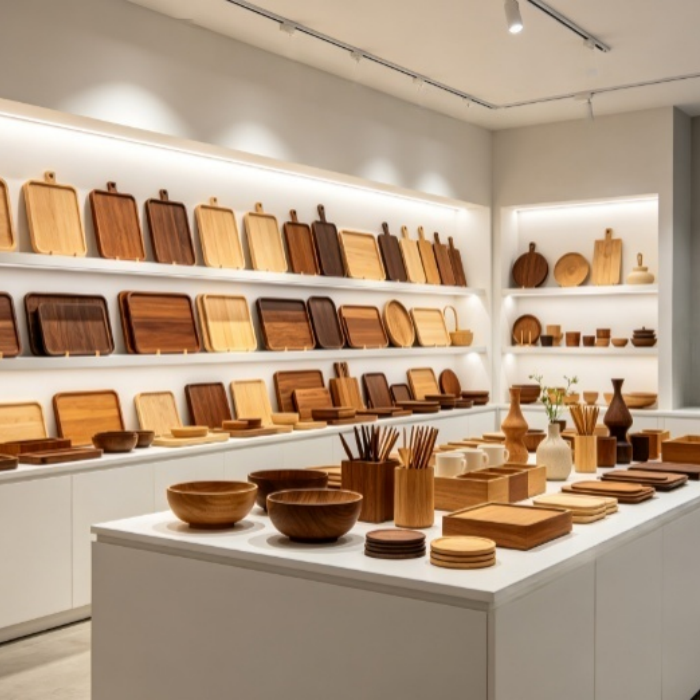
A supplier offering a large number of wooden kitchenware SKUs is not automatically the strongest choice. For hospitality use, consistency across the core range is often a better signal than catalogue size. Ask for samples and assess them in the actual service context before scaling an order.
| Check | Why it matters in hospitality |
|---|---|
| Flatness and stability | Helps prevent movement when the board is loaded and set on a guest table. |
| Surface finish | Affects appearance, touch, cleanability, and how quickly the board shows wear. |
| Size and edge design | Influences portion layout, carrying comfort, storage, and table fit. |
| Material and food-contact documentation | Supports market-specific procurement review and internal compliance checks. |
| Batch consistency | Helps maintain a cohesive food presentation across rooms, outlets, or events. |
| Care instructions | Gives operators a practical route to maintain the boards after delivery. |
The practical reason wooden boards keep returning to the table
Hospitality buyers choose a wooden cheese board because it combines visual warmth with flexible service potential. It can elevate a shared plate, reinforce a venue’s style, and create a more considered moment for guests. The strongest results come from treating the board as an operational serving tool as well as a design object.
For restaurants, hotels, and caterers, the decision should begin with the exact menu and service setting, then move through samples, surface quality, documentation, and care planning. When those pieces align, a wooden cheese board becomes a durable part of the presentation system rather than a one-season decorative purchase.