Wholesale Wooden Salad Bowls | Acacia & Bamboo Options

Welcome to our store!Black Friday Sale!

showlist/wooden-salad-bowl, showlist/wooden-salad-bowl, 
Inquiry
Inquiry
Customer Reviews of Our Wooden Salad Bowls

Customer Reviews of Our Wooden Salad Bowls

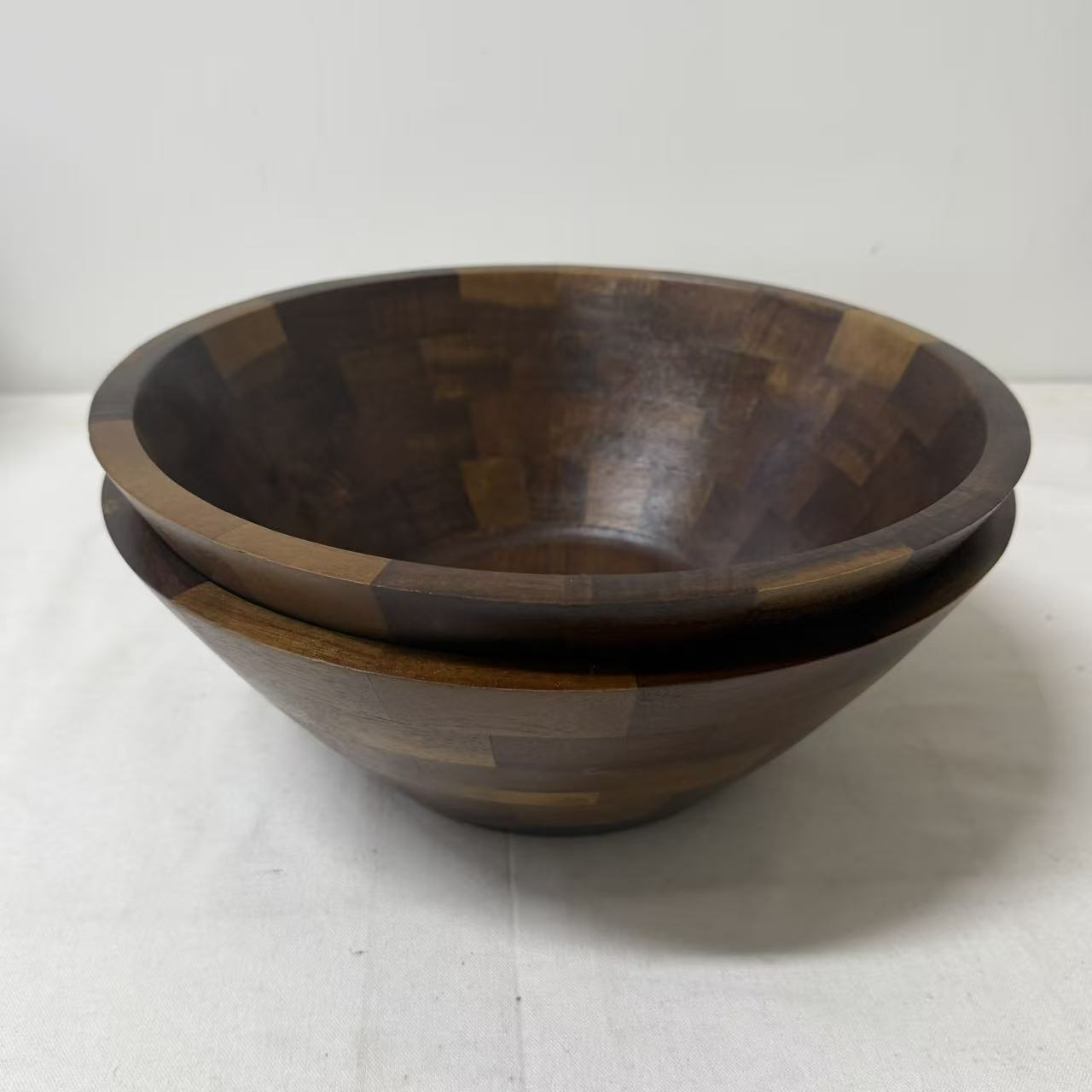
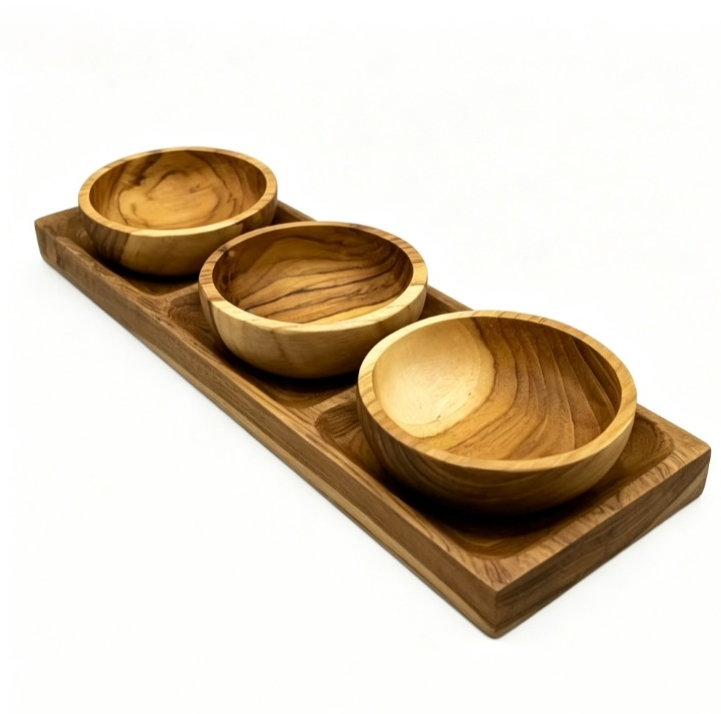
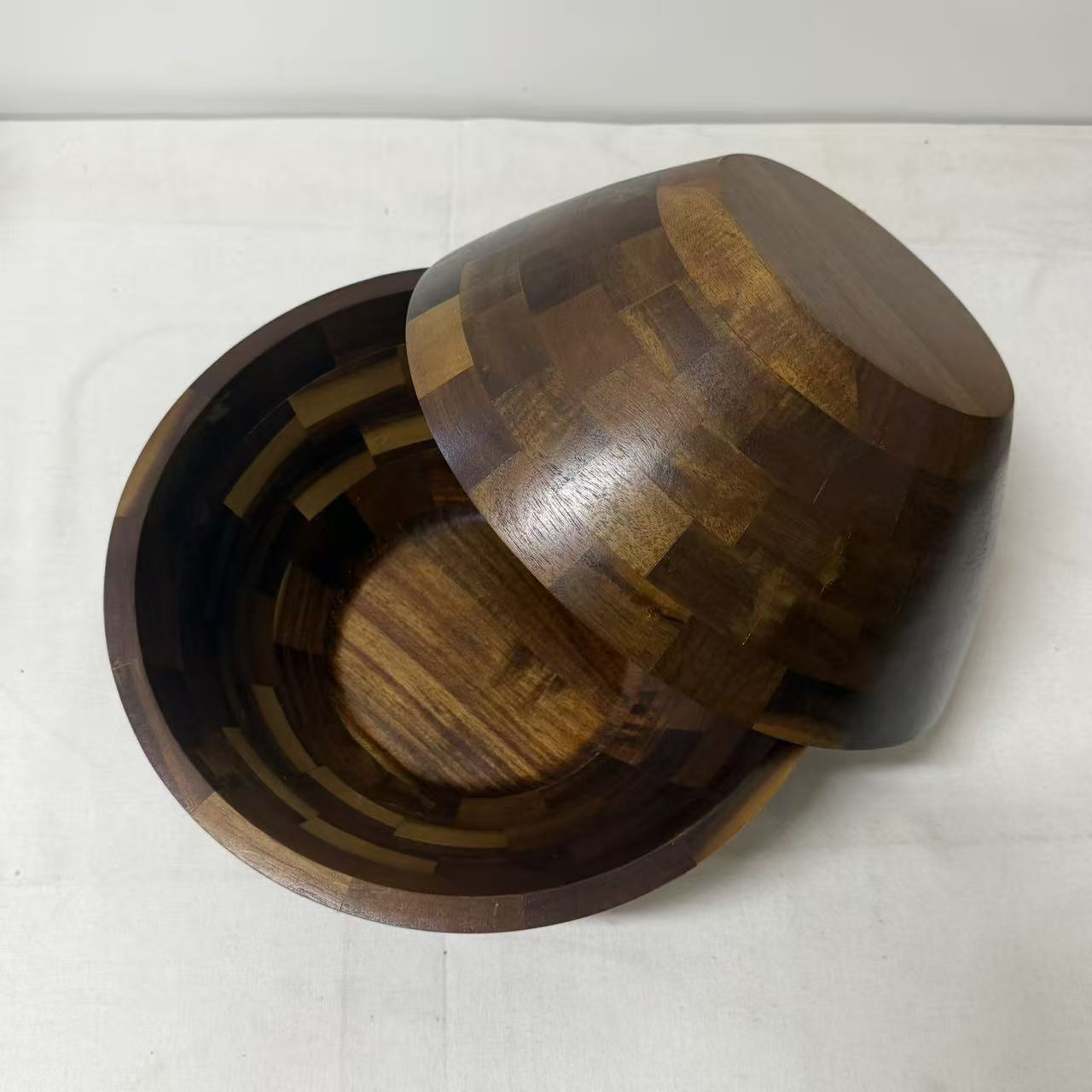
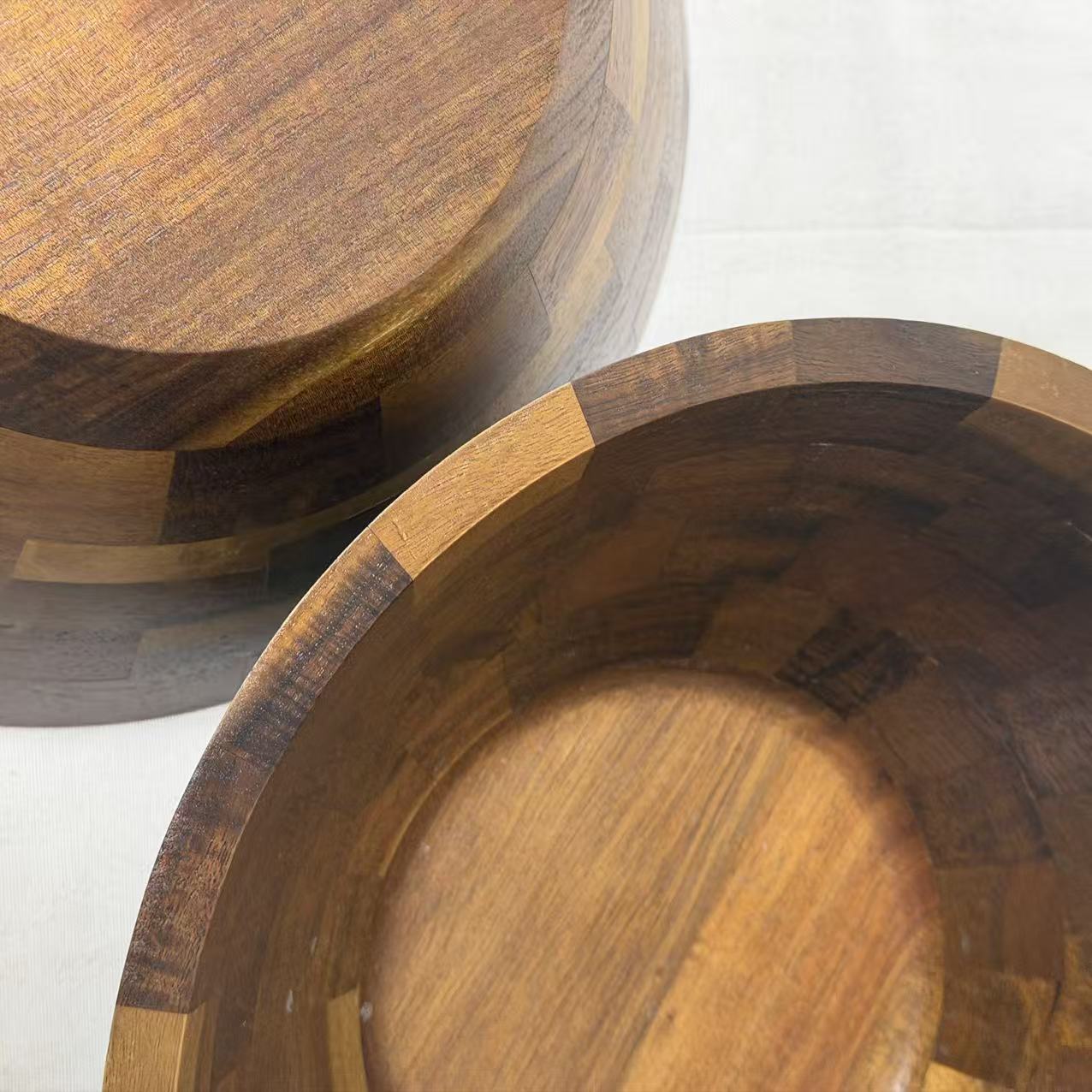
Wooden salad bowls combine natural beauty with practical serving performance, making them suitable for restaurants, hotels, retailers, and homeware brands. Crafted from selected wood such as acacia, each bowl displays distinctive grain patterns that help create an inviting presentation for salads, fruits, and shared dishes. Different diameters, depths, and finishes support varied serving requirements, from individual portions to family-style meals. For wholesale buyers, coordinated sizes and customizable designs make it easier to develop cohesive product collections. Our manufacturing approach emphasizes material selection, careful shaping, smooth sanding, and finishing inspections. These details help businesses source attractive wooden kitchenware with consistent quality and strong retail appeal.
Get A Quote

Case Study

Acacia Salad Bowls for Homeware Retailers

A homeware retailer wanted a natural alternative to conventional serving bowls for its seasonal kitchenware collection. Acacia wood offered distinctive grain variation and warm colors that complemented modern and rustic interiors. The project focused on a practical medium-sized bowl suitable for green salads, pasta salads, and fruit. Careful sanding created a smooth surface, while the selected finish enhanced the wood's natural appearance. Coordinated packaging and consistent sizing helped the retailer present the product as part of a unified collection. This example illustrates how wooden salad bowls can support differentiated product positioning and help retailers build a recognizable range of natural kitchen accessories.

Large Wooden Salad Bowls for Hospitality Businesses

A hospitality buyer needed larger serving bowls for buffet stations, shared dining tables, and catered events. The design brief prioritized generous capacity, a stable base, and a shape that allowed staff to toss and serve salads conveniently. A carefully finished wooden bowl provided a warm presentation for leafy greens, seasonal vegetables, and mixed dishes. The purchasing team also considered storage space, cleaning instructions, and consistency across multiple units. Selecting a coordinated range of sizes helped the business match different service formats without sacrificing visual consistency. This application demonstrates the value of combining functional design with natural materials in professional food presentation.

Wooden salad bowls bring together natural character, functional design, and versatile presentation for modern kitchens. Acacia wood is a popular option because its varied grain patterns give each bowl an individual appearance. Depending on the design, wooden bowls can serve green salads, pasta, fruit, bread, and shared side dishes in homes, restaurants, hotels, and catering environments. At Woodenky, product development can address different market requirements through choices in bowl diameter, depth, shape, wood selection, and surface finish. Manufacturing typically involves preparing suitable wood, shaping the bowl, sanding the interior and exterior, and applying an appropriate finish. Quality checks should consider surface smoothness, structural integrity, dimensional consistency, and finish suitability for the intended use. For distributors and private-label brands, customized specifications can help create distinctive kitchenware collections. Buyers can confirm logo methods, packaging formats, order quantities, and sample requirements before production. Wooden salad bowls should be cleaned according to the supplied care instructions and should not be left soaking in water. With appropriate care, they can remain attractive serving pieces for repeated everyday use.

Frequently Asked Questions

Which wood is suitable for wooden salad bowls?

Acacia is a popular choice because it offers attractive grain variation, warm coloring, and practical durability for serving products. Other wood options may suit different price points and design preferences. Buyers should confirm wood species, finish specifications, and intended food-contact suitability before placing a wholesale order.
Customization may include bowl dimensions, shapes, surface finishes, logo placement, and retail packaging, depending on production capabilities and order requirements. Before confirming an order, discuss your target market, expected quantity, and design references with the supplier. Reviewing a sample helps establish appearance and specification expectations.
Wash wooden salad bowls by hand using mild soap and lukewarm water, then dry them promptly with a clean towel. Avoid dishwashers, prolonged soaking, and harsh cleaning products. Follow the supplier's care instructions and use only finishes suitable for the intended food-contact application.
Yes, wooden salad bowls can enhance presentation in restaurants, hotels, catering operations, and buffet settings. Select suitable capacities and stable designs for the service environment. Commercial buyers should also establish cleaning procedures, inspect products regularly, and confirm that the bowl finish meets applicable food-contact requirements.
Buyers should confirm wood species, bowl dimensions, finish, minimum order quantity, sample availability, packaging, production lead time, and shipping arrangements. Requesting product specifications and reviewing a pre-production sample can reduce misunderstandings. For private-label projects, approve logo placement and packaging artwork before manufacturing begins.

Related article

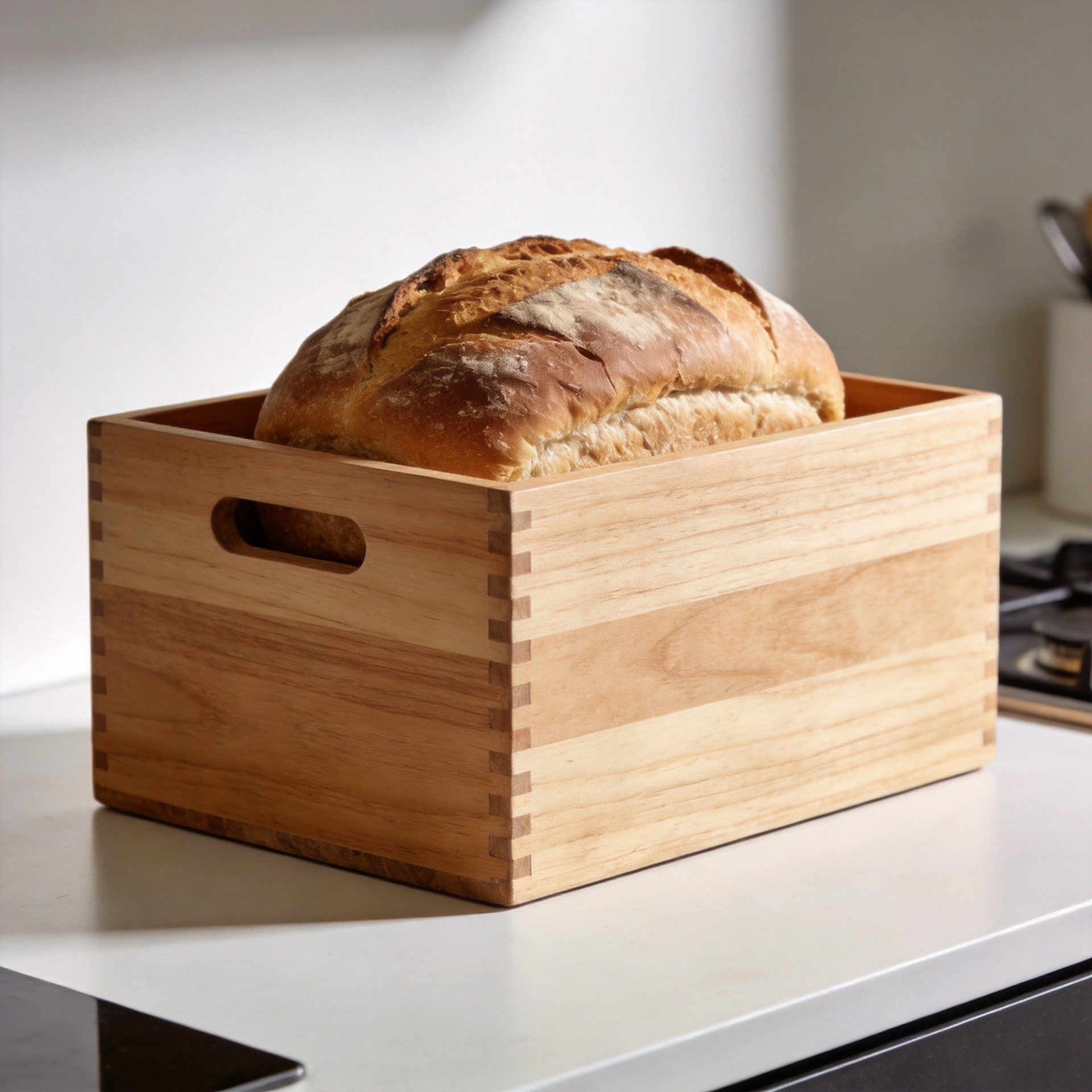
Why Are Wooden Bread Storage Boxes Popular in Modern Kitchens?

27

Oct

Why Are Wooden Bread Storage Boxes Popular in Modern Kitchens?

Discover why a wooden bread storage box brings order, warmth, and practical countertop storage to a modern kitchen.
View More
What Is the Best Wood for a Wooden Bowl?

27

Oct

What Is the Best Wood for a Wooden Bowl?

Find the best wood for a wooden bowl by comparing acacia, maple, walnut, cherry, durability, finish, and everyday care.
View More
How to Choose Wooden Dinner Plates for Restaurants and Hospitality?

27

Oct

How to Choose Wooden Dinner Plates for Restaurants and Hospitality?

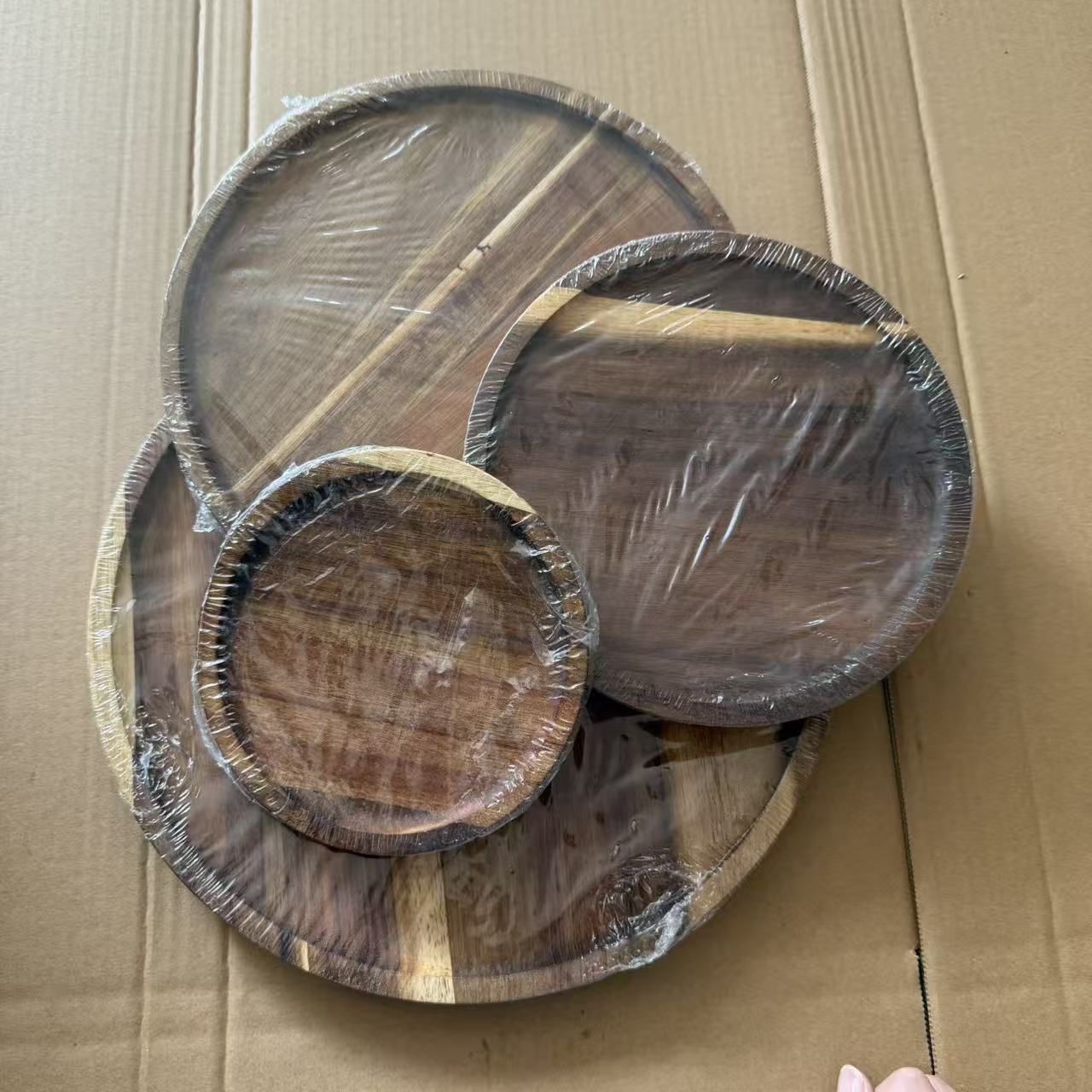
Choose a wooden dinner plate for restaurants and hospitality with a practical guide to materials, food-contact checks, service fit, and reorders.
View More
What Wood Is Best for a Wooden Cheese Board?

27

Oct

What Wood Is Best for a Wooden Cheese Board?

Choose the best wood for a wooden cheese board with a practical buyer comparison of acacia, maple, walnut, teak, care, and retail fit.
View More

Customer Testimonials

James Miller

The acacia wooden salad bowls arrived with consistent finishes and attractive grain patterns. Our kitchenware collection gained a premium look, and customer feedback improved after launch.

Emily Carter

We ordered custom wooden salad bowls for restaurant presentation. The smooth surfaces, practical sizing, and natural appearance met our requirements for everyday serving and upscale dining.

Get a Free Quote

Our representative will contact you soon.
0/1000
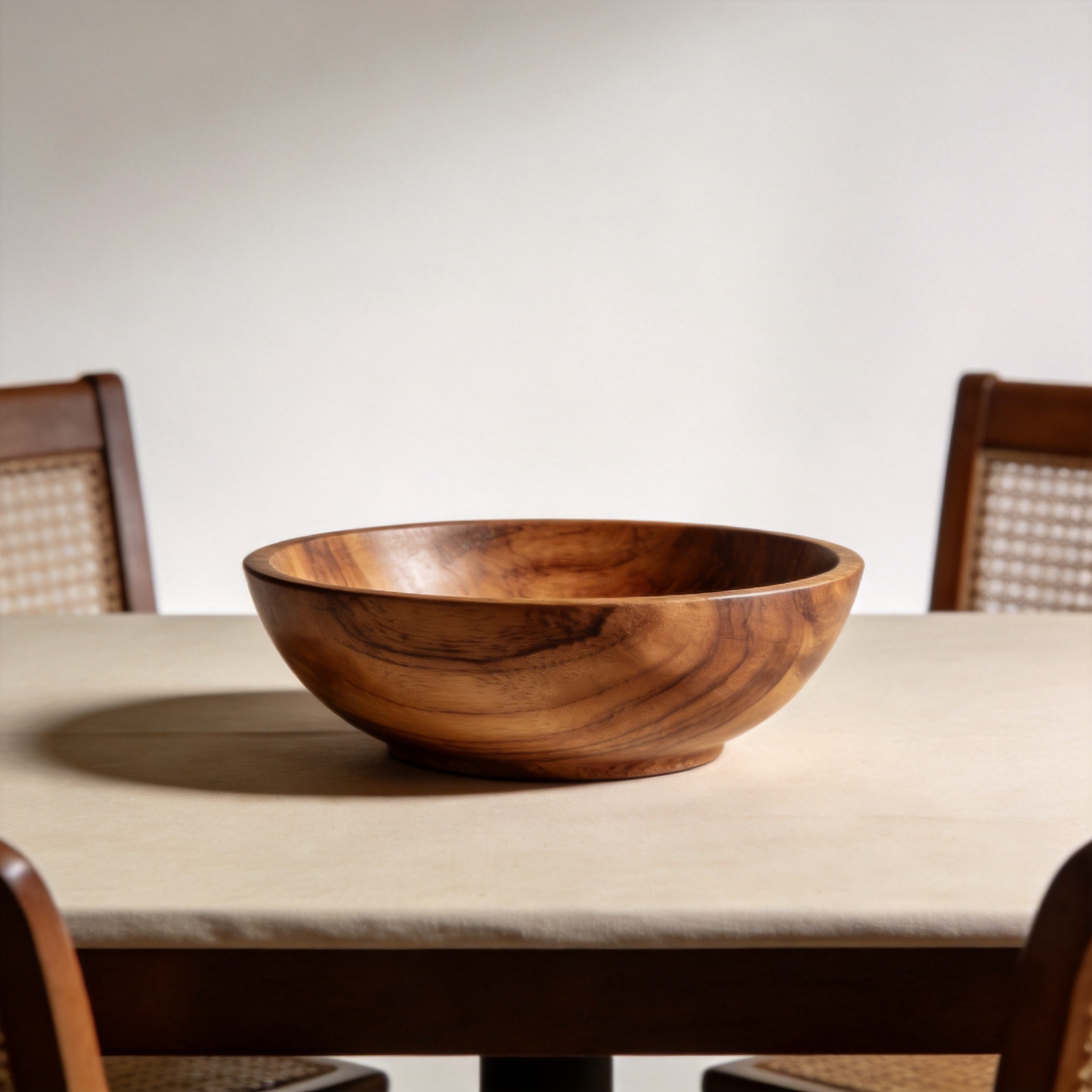
Distinctive Wood Grain for Elevated Food Presentation

Distinctive Wood Grain for Elevated Food Presentation

Natural wood grain gives wooden salad bowls a visual character that differs from uniform manufactured materials. Acacia, in particular, can display varied shades and patterns, making each piece distinctive while maintaining a coordinated overall collection. These qualities suit contemporary kitchens, farmhouse interiors, boutique homeware stores, and hospitality environments that emphasize natural presentation. A well-proportioned bowl can frame colorful vegetables, leafy greens, and fruit without distracting from the food itself. Buyers can evaluate grain appearance, dimensions, edge finishing, and surface smoothness when approving samples. For retailers, these product details provide useful selling points for collection descriptions, display planning, and product photography across multiple sales channels.
Flexible Specifications for Wholesale and Private Label

Flexible Specifications for Wholesale and Private Label

Wholesale wooden salad bowls can be developed around the practical requirements of distributors, retailers, and private-label kitchenware brands. Buyers may specify bowl sizes, shapes, wood preferences, finish appearance, and packaging details according to available manufacturing options. A coordinated size range can support individual servings, family meals, and larger shared dishes while creating a consistent collection. Before production, confirming sample approval, order quantities, tolerances, and inspection criteria helps establish clear expectations between buyer and supplier. Branding and packaging can further distinguish products in competitive retail environments. By aligning specifications with customer needs, businesses can build a more focused wooden kitchenware assortment for online stores, specialty shops, and hospitality supply channels.