Wooden Crockery Set Wholesale|Customizable B2B Solution

Welcome to our store!Black Friday Sale!

showlist/wooden-crockery-set, showlist/wooden-crockery-set, 
Inquiry
Inquiry

Customer Reviews of Wooden Crockery Sets

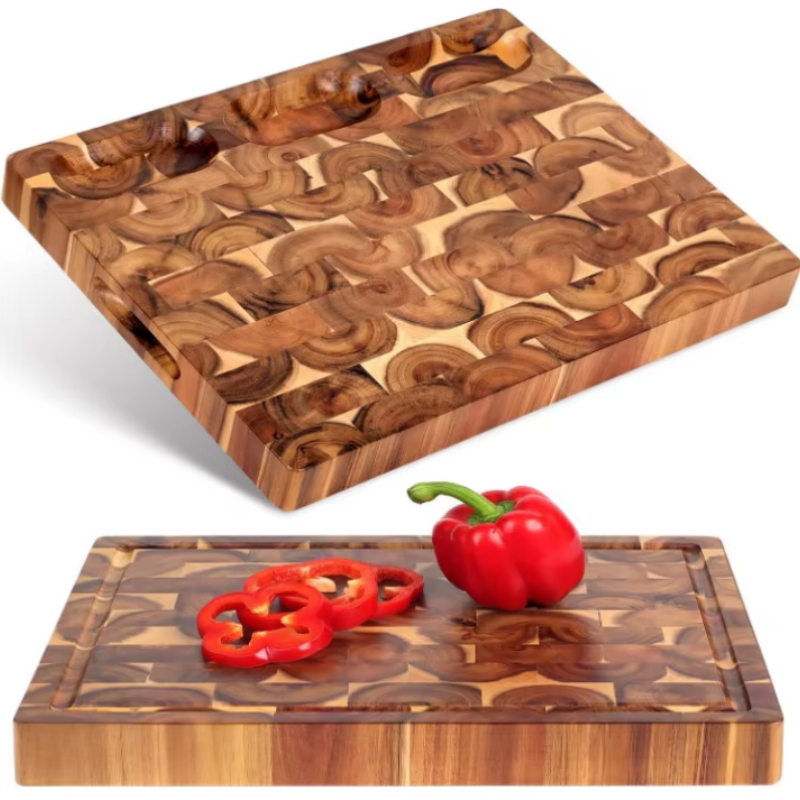
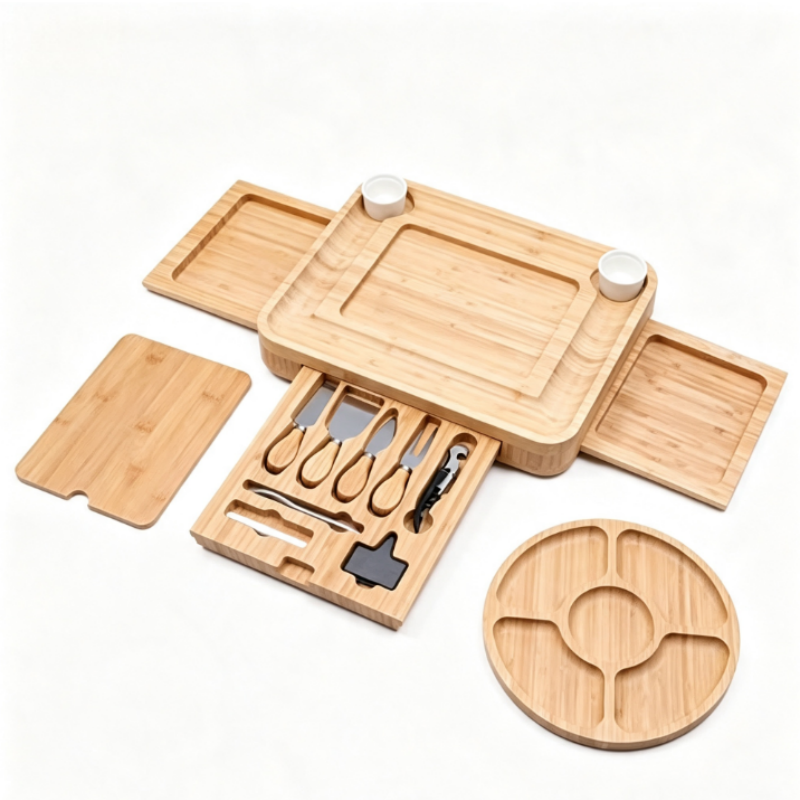
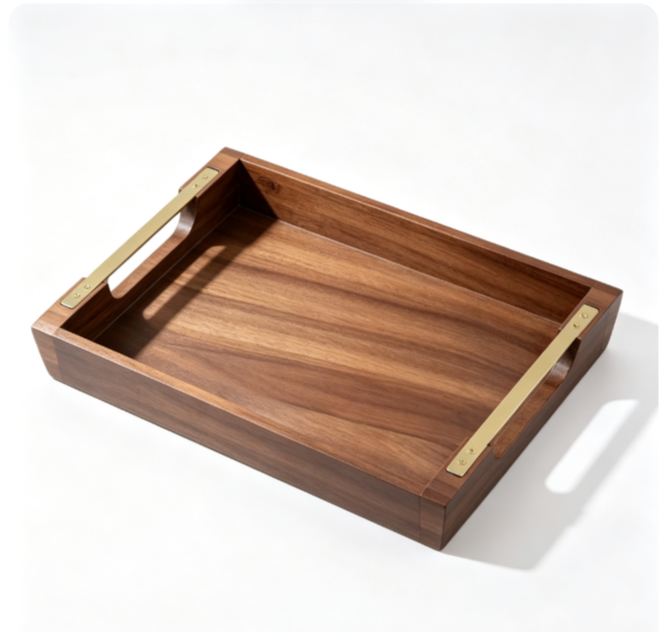
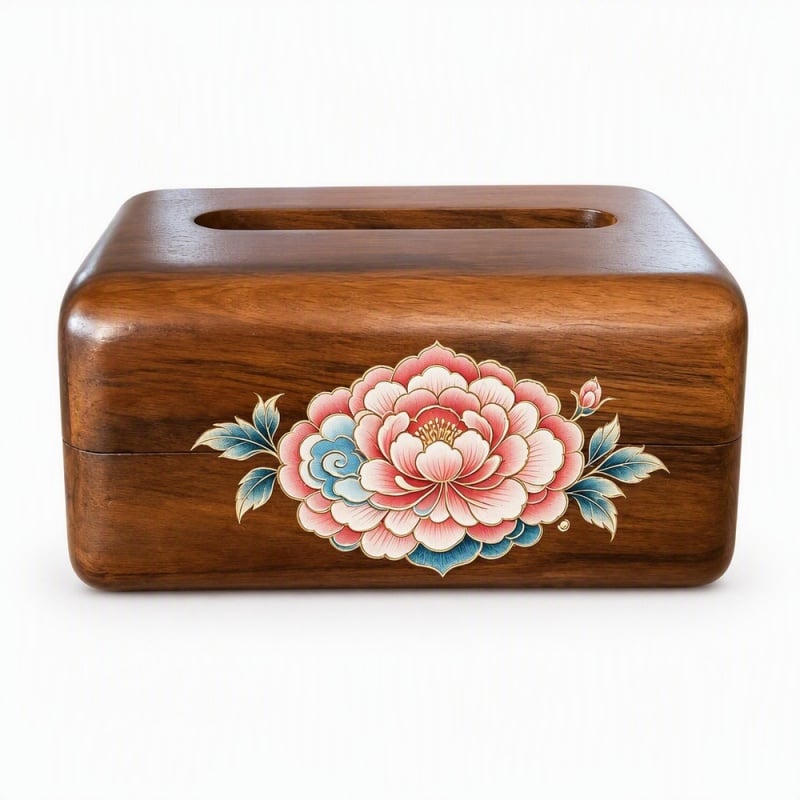
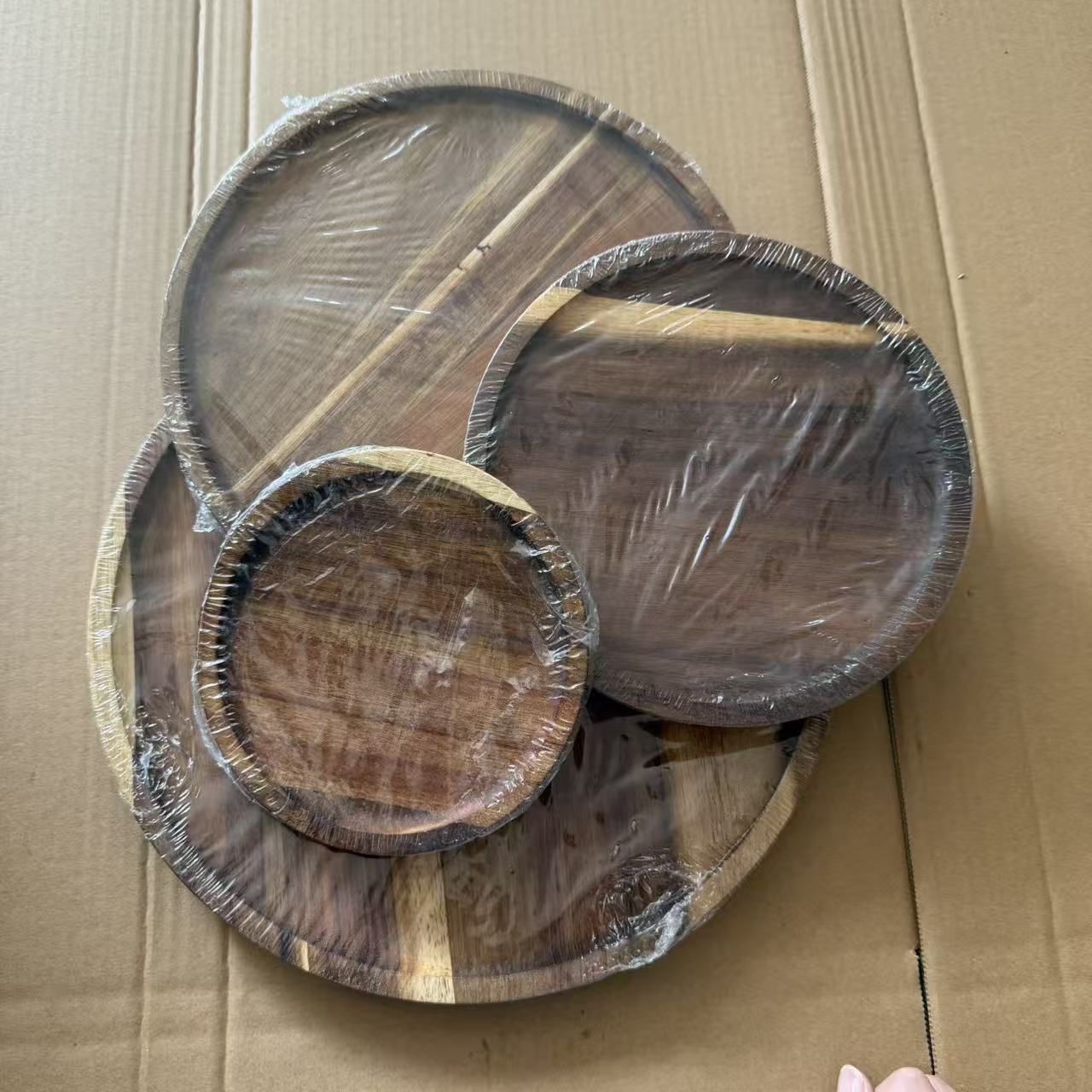
A wooden crockery set is both beautiful and functional. It is ideal for use in restaurants, boutique hotels, retailers, and gift brands. Wooden tableware provides warmth to any dining table, and with different wood grains and finishes, helps businesses create tableware suited for various styles of interiors. Wooden crockery sets are also beautiful and functional for serving. With consistent and organized production planning, and customizations, Wooden crockery is also great for private labeling. Surface finishes of crockery contribute to an attractive presentation for everyday and special occasion meals. With consistent specifications, production planning, and logistics, repeat purchases for commercial buyers are made easy.
Get A Quote

Case Study

Boutique Restaurant Tableware Collection

A boutique restaurant seeking a warmer dining atmosphere can incorporate wooden crockery into its breakfast, lunch, and sharing menus. Coordinated wooden plates and bowls create a cohesive presentation for salads, bread, appetizers, and selected dry or room-temperature dishes. For example, a restaurant introducing a six-piece wooden tableware collection can establish a consistent visual identity across its tables and promotional photography. Custom shapes and natural finishes help the establishment complement its interior design without relying on disposable decorative accessories. When planning the collection, buyers should confirm food-contact suitability, cleaning instructions, and resistance to the intended service conditions. These considerations support practical purchasing decisions and a consistent guest experience.

Homeware Retail and Private-Label Collections

A homeware retailer can use wooden crockery sets to expand its selection of natural-material dining accessories. Coordinated plates, bowls, and serving dishes create an appealing collection for housewarming gifts, seasonal promotions, and everyday kitchen use. A retailer launching a four-piece starter set, for instance, can combine complementary shapes and finishes to simplify merchandising and encourage customers to explore related products. Private-label customization may include laser-engraved logos, packaging designs, and selected dimensions, subject to production capabilities. Before confirming bulk orders, buyers should evaluate sample quality, finishing consistency, packaging protection, and minimum order quantities. These steps help establish reliable product specifications and reduce avoidable differences between samples and delivered goods.

Using natural materials such as wood for crockery gives the advantage of craftsmanship and product presentation. Some examples for wooden crockery are bowls and plates. Wooden crockery may be used in retail, hospitality, and private label projects. Manufacturing of wooden crockery includes choosing the right wood, cutting it into the right shape, and shaping it into the desired component. The surface of each component is then sanded. If a food-contact surface is required, a food-contact safe finish is applied to it. During quality control of such items, different aspects such as size, surface smoothness, presence of defects, uniformity of the finish, and safety of the packaging are to be checked. WoodenKY buyers may communicate with the company for any product specifications, design preferences, and other modifications by using the company website. Not all buyers may require samples to assess the appearance, and appropriateness, of the product for their end use.

Frequently Asked Questions

Can wooden crockery sets be customized for private-label brands?

Customization may include dimensions, shapes, finishes, logo engraving, and packaging, depending on manufacturing capabilities and order requirements. Businesses should provide reference images, technical specifications, target quantities, and branding guidelines when requesting a quotation. Approving a sample before mass production helps confirm the appearance and consistency of the finished collection.
Cleaning instructions depend on the wood species and protective finish. Generally, wooden tableware should be washed gently by hand, wiped dry promptly, and kept away from prolonged soaking or excessive heat. Buyers should follow supplier instructions and verify whether each item is suitable for its intended food-contact application.
Wooden crockery can suit selected restaurant and hotel applications, including decorative presentation and serving appropriate foods. Commercial buyers should assess durability, cleaning procedures, food-contact suitability, and local hygiene requirements before purchasing. Products must match the intended service conditions and should not be assumed suitable for commercial dishwashers unless specifically confirmed.
Buyers should specify product types, dimensions, wood preferences, quantities, finishing requirements, packaging, and destination market. Branding artwork and delivery expectations are also helpful. Requesting a quotation and pre-production sample allows purchasing teams to evaluate specifications, confirm costs, and clarify manufacturing timelines before committing to a larger order.
Branded packaging may be available depending on order volume, packaging design, and production capabilities. Buyers can discuss printed boxes, protective inserts, labels, and logo presentation when requesting a proposal. Confirm packaging dimensions, shipping protection, artwork approval procedures, and minimum quantities before finalizing the order.

Related article

Custom Wooden Cheese Boards for Gift and Retail Markets.

27

Oct

Custom Wooden Cheese Boards for Gift and Retail Markets.

Source a Wooden cheese board for gift and retail programs with practical advice on customization, packaging, OEM specs, and wholesale quality checks.
View More
How to Choose Wooden Dinner Plates for Restaurants and Hospitality?

27

Oct

How to Choose Wooden Dinner Plates for Restaurants and Hospitality?

Choose a wooden dinner plate for restaurants and hospitality with a practical guide to materials, food-contact checks, service fit, and reorders.
View More
Wooden Serving Tray Care Guide for Daily Use.

27

Oct

Wooden Serving Tray Care Guide for Daily Use.

Keep a wooden serving tray looking its best with practical daily cleaning, drying, and conditioning tips for long-lasting use.
View More
Why Are Wooden Cheese Boards Popular in Hospitality?

27

Oct

Why Are Wooden Cheese Boards Popular in Hospitality?

Discover why a wooden cheese board helps restaurants, hotels, and caterers elevate food presentation with practical buying guidance.
View More

Customer Testimonials

James Miller

Our wooden crockery collection helped us create a distinctive dining range. The natural grain, consistent finishing, and customizable designs made product presentation easier and improved customer interest across our homeware collection.

Emily Carter

We selected wooden crockery for our boutique dining concept. The lightweight construction and coordinated designs complemented our table settings, while flexible customization helped us maintain a consistent brand identity across multiple service areas.

Get a Free Quote

Our representative will contact you soon.
0/1000

Natural Wood Grain for Premium Product Presentation

Natural wood grain gives each wooden crockery set a distinctive appearance, making it attractive to homeware retailers, gift companies, and hospitality businesses seeking differentiated products. Variations in grain and tone contribute to an organic aesthetic that complements farmhouse kitchens, contemporary dining rooms, and boutique restaurant interiors. Businesses can explore coordinated plates, bowls, and serving pieces to establish a recognizable collection. For example, a retailer preparing a seasonal home entertaining display could combine several matching wooden items with neutral linens and natural decorations. Depending on manufacturing capabilities, selected shapes, sizes, and finishes may be customized to suit the collection. Buyers should confirm wood species, finish specifications, and sample approval procedures to ensure the final products meet their presentation requirements.

Practical Sourcing Support for International Buyers

Successful international sourcing requires clear specifications, reliable communication, and careful product evaluation. When purchasing wooden crockery sets, importers should assess product dimensions, wood characteristics, finishing quality, packaging strength, and compliance requirements for their destination markets. For example, a distributor preparing an initial order of 500 sets could request representative samples, confirm carton quantities, and establish inspection criteria before approving production. This planning helps identify potential issues before goods are shipped and makes purchasing decisions easier to document. Buyers should also clarify lead times, shipping arrangements, payment terms, and procedures for handling defects. By preparing these details early, businesses can evaluate suppliers more effectively and develop a repeatable procurement process for wooden dining products.