AR

Why Is Wooden Home Decoration Popular in Modern Interior Design?
Wooden home decoration has become a dependable choice in modern interiors because it brings warmth, tactile character, and visual calm to spaces that can otherwise feel overly smooth or temporary. For buyers planning assortments for supermarkets, homeware retailers, or trading programs, wood decor is also flexible: a small tray, a storage rack, and a furniture accent can sit within the same natural-material story while serving different price points and rooms.
The appeal is not simply nostalgia. Contemporary rooms often combine clean lines, neutral surfaces, and practical layouts. Natural furnishings add grain, depth, and a human scale that makes that simplicity feel welcoming. When selected with care, decorative wood products can support a modern scheme rather than turn it into a rustic theme.
Wood Brings Texture Without Visual Clutter
Modern design frequently relies on a restrained palette. That leaves room for material contrast. A pale wood shelf against a matte wall, a darker serving board on a stone counter, or a small carved object on an open bookcase introduces texture without demanding another bright color or busy print.
This is why wood decor works across several looks. Light-toned pieces can reinforce Scandinavian or coastal interiors; deeper tones can add definition to contemporary apartments; simple, unpainted forms can soften industrial metal and glass. The grain does part of the visual work, so an object does not need excessive ornament to look considered.
Natural Furnishings Make Minimal Spaces Feel More Lived In
Minimal rooms need focal points that feel intentional rather than sparse. Natural furnishings offer that balance. A wooden stool, wall shelf, fruit bowl, or kitchen organizer has a useful job, yet it also introduces an organic surface that changes subtly with light and viewing distance.
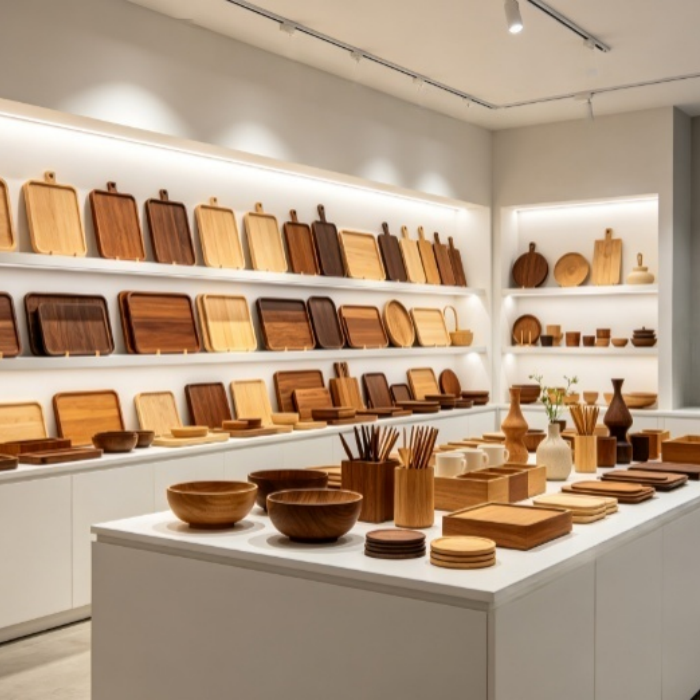
For retail planning, this function-and-display overlap is important. Customers can imagine a piece in daily use instead of treating it as a purely decorative purchase. Grouping related items—such as wooden kitchenware, compact storage pieces, and small furniture accents—can make a wood decor assortment feel practical as well as atmospheric.
Sustainable Home Decor Is About Better Choices, Not a Material Shortcut
Interest in sustainable home decor has strengthened the conversation around wood, but responsible claims need care. Wood is not automatically sustainable simply because it is natural. The stronger approach is to consider sourcing, efficient material use, finish choices, durability, packaging, and whether an item is likely to remain useful over time.
That perspective fits modern buying behavior. A well-made decorative item that coordinates with multiple rooms and seasons can remain relevant longer than a fast-changing novelty. Buyers can ask suppliers about material origin, construction, care guidance, and finish information before presenting an environmental message to their own customers.
For a wholesale assortment, durable forms and clear product information are often more credible than broad eco claims. This helps trading companies and retailers build a sustainable home decor offer around transparent decisions rather than vague labels.
Decorative Wood Products Work Across Rooms and Retail Displays
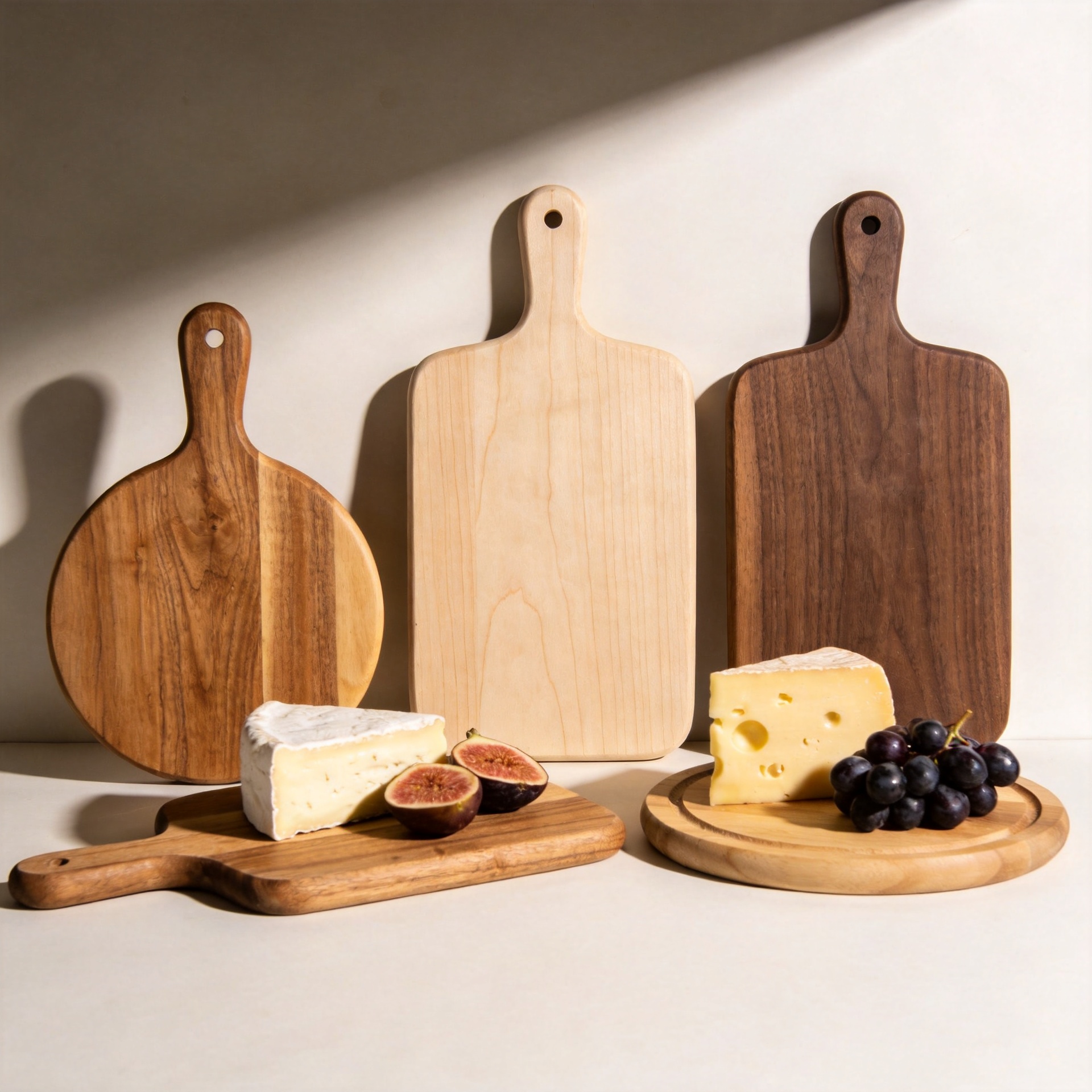
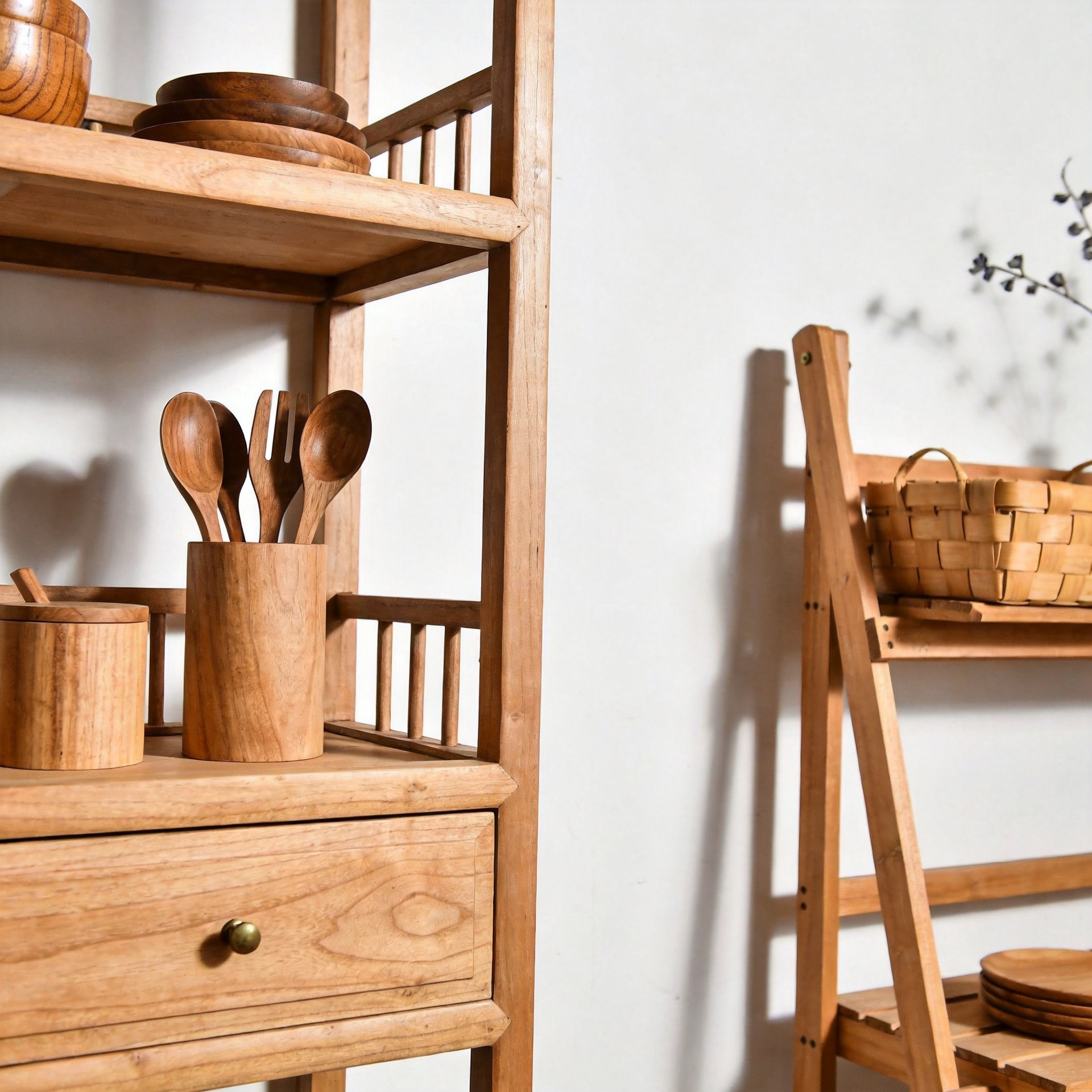
Wooden home decoration is easy to adapt because the same material language can move through the home. In living areas, it can appear as shelving, frames, trays, or occasional tables. In kitchens, it can show up through serving pieces, organizers, and countertop accents. In bedrooms and entryways, hooks, boxes, benches, and storage racks add order while keeping the visual mood consistent.
This cross-room relevance also helps merchandising. Instead of offering isolated objects, a retailer can create small stories: a warm kitchen counter edit, an entryway organization display, or a relaxed living-room shelf composition. Each story can include wood decor at different sizes and values, encouraging customers to combine pieces rather than purchase only one accent.
Wood Pairs Easily With Modern Materials
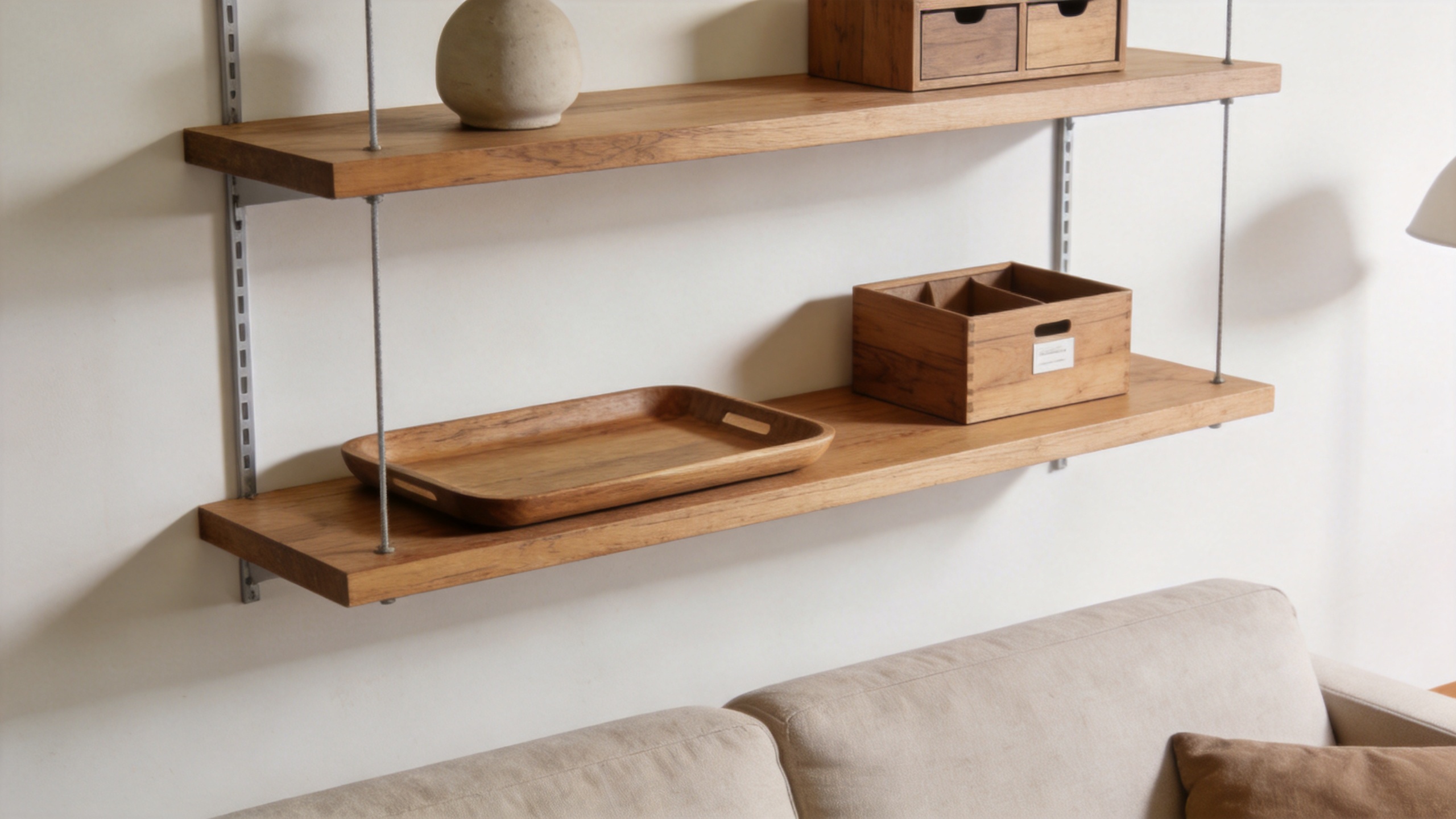
A common misconception is that wooden home decoration only suits traditional homes. In practice, wood often makes contemporary materials easier to live with. It can warm up black metal, balance polished stone, soften glass, and add depth beside linen, ceramic, or woven fibers.
The key is proportion. In a room with strong architectural finishes, one or two deliberate wooden elements may be enough. In a quieter setting, a repeated tone across a storage rack, tray, and table accessory can create a more unified result. Mixing too many unrelated stains can feel accidental, so it helps to work within a narrow family of light, medium, or dark finishes.
What Buyers Should Check Before Adding Wood Decor to an Assortment
- Material and construction: Ask what wood or wood-based material is used and how joints, edges, and surfaces are finished.
- Finish consistency: Natural variation is part of the appeal, but samples should establish the expected color range and surface character.
- Care communication: Clear care guidance helps customers keep decorative wood products looking appropriate in kitchens, bathrooms, or sunny rooms.
- Assortment logic: Combine functional natural furnishings with smaller giftable accents so the collection serves different buying occasions.
- Claim discipline: Match sustainability language to information that can be supported by the supplier and product documentation.
Why the Trend Has Staying Power
Wooden home decoration remains popular because it answers several modern needs at once: people want spaces that feel personal, products that are useful, materials that look less synthetic, and choices that can fit a more thoughtful home. Its value lies in versatility rather than in a single style.
For supermarkets and trading companies, the opportunity is to present wood decor as a coordinated, useful collection. When material information, finish expectations, and merchandising ideas are clear, wooden kitchenware, storage solutions, and furniture accents can help customers create interiors that feel contemporary, grounded, and easy to live with.