AR

Benefits of Wooden Display Stands for Product Presentation.
A well-chosen Wooden display stand does more than lift merchandise off a counter. It gives shoppers a clearer focal point, establishes a material mood, and helps a product look intentional rather than simply placed. For retailers, wholesalers, and brand teams, a Wooden display stand can turn a small collection into a more coherent product story without requiring an elaborate fixture program.
From a retail-buying perspective, the important question is not whether wood automatically looks premium. It is whether the stand makes the item easier to notice, understand, and handle. When it does, a Wooden display stand supports visual merchandising while keeping the product, rather than the fixture, at the center of attention.
Why presentation starts with a clear focal point
Shoppers process a display quickly. A product sitting flat among many similar items can disappear into the shelf, while a modest change in height or angle makes it easier to scan. A Wooden display stand creates that separation. It can raise a hero item, frame a limited group of SKUs, or establish a simple progression from entry product to premium option.
This matters in a busy store display. Clear sightlines and defined product zones make browsing less demanding. Rather than filling every surface, a buyer can use a Wooden display stand to create breathing room around the products that need explanation, sampling, or closer inspection. The result is a display that feels organized without becoming overly formal.
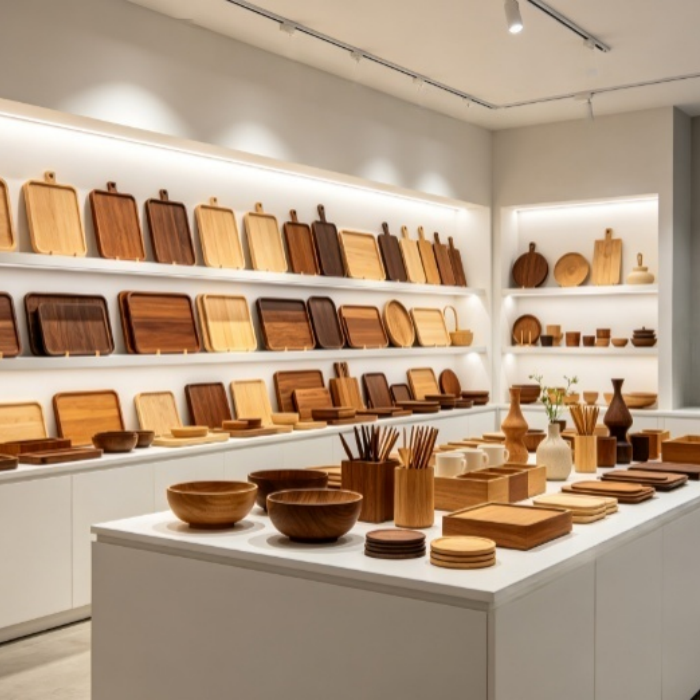
Wood also brings visual warmth that works well with home goods, gifts, food presentation pieces, cosmetics, stationery, and craft-led assortments. The grain and tone can soften a grid of packaged products, especially when the rest of the presentation uses clean labels and restrained signage. Natural variation should be treated honestly: it can add character, but samples and finish standards remain important when a range needs a uniform look.
How a Wooden display stand improves product visibility
It adds height and hierarchy
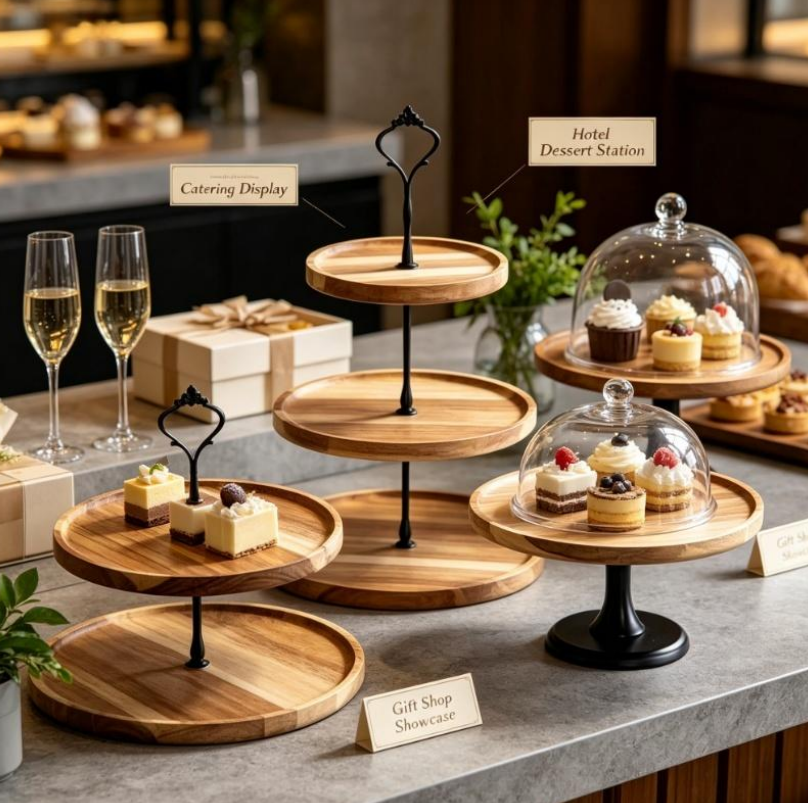
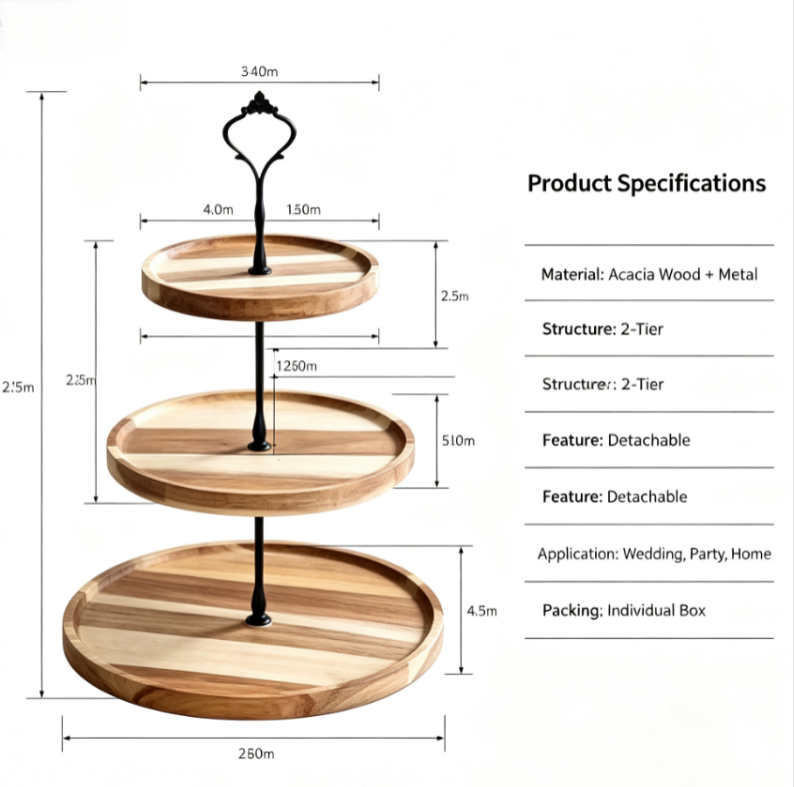
Height is one of the simplest tools in visual merchandising. A Wooden display stand can make a product visible above surrounding stock, creating a clear entry point for the eye. Tiered formats are particularly useful when several sizes, flavors, or colors belong together. Instead of presenting every item at the same level, the display can guide shoppers from a lead product to related options.
The clearest hierarchy is purposeful. Put the product with the clearest story at the most visible position, keep supporting products within reach, and avoid obscuring labels. A Wooden display stand should clarify the assortment, not make customers search for basic information.
It supports touch and comparison
Presentation is also functional. A low countertop Wooden display stand can bring smaller items forward so shoppers can pick them up without disturbing the rest of the arrangement. For products that benefit from texture, weight, or finish evaluation, this accessibility is more useful than a decorative backdrop alone. It gives sales teams a natural place to begin a demonstration and helps customers compare related items side by side.
For trade-show tables and wholesale showrooms, the same principle helps buyers assess a range more quickly. A Wooden display stand can distinguish samples from reserve stock and keep a conversation focused on the curated selection.
Material character can reinforce brand presentation
Wood is not a shortcut to a brand identity, but it is a flexible base material. A light, simple Wooden display stand can suit a clean modern concept; a richer grain or darker finish can support a more traditional or gift-oriented setting. The right direction depends on the merchandise, packaging, lighting, and audience.
That flexibility makes wood a practical part of branding materials. Repeated use of compatible tones across signage holders, risers, trays, and a main Wooden display stand can make a multi-SKU presentation feel connected. For a retailer building a natural-material story, pairing wooden kitchenware, storage pieces, and furniture-inspired accents can also create a recognizable visual language across categories.
Still, material selection needs discipline. Confirm the intended finish, edge treatment, load requirement, and cleaning routine before placing an order. A stand for lightweight boxed goods has different requirements from one used for glass containers, ceramics, or high-traffic sampling. If the display will be used repeatedly, buyers should ask how the surface is protected and how visible wear will be managed.
Where wooden display stands work especially well
- Countertops: A compact Wooden display stand can call out new arrivals, impulse items, or product bundles without crowding the checkout area.
- Retail shelving: A small riser or stepped Wooden display stand can separate hero products from replenishment stock and improve label visibility.
- Window and feature zones: A larger Wooden display stand can provide a stable base for a seasonal narrative, especially when products are shown in a realistic lifestyle grouping.
- Trade shows: Portable display accessories help turn a standard table into a more navigable sample presentation and give visitors a reason to pause.
- Hospitality and event settings: A carefully specified Wooden display stand can elevate non-food items such as amenities, welcome gifts, or retail merchandise where a warmer presentation is appropriate.

A practical buying checklist
Before selecting a Wooden display stand, define the job it needs to do. Start with the products: their dimensions, weight, packaging, and the way customers are expected to interact with them. Then evaluate the setting. A counter fixture may need a small footprint; a retail display may need several heights; a trade-show unit may need to pack flat or travel safely.
- Match the footprint to the merchandise. The stand should support the item securely while leaving enough label or packaging visible.
- Choose height for sightlines. Test whether the Wooden display stand improves visibility from the approach path without blocking adjacent products.
- Specify finish expectations. Agree on color range, grain variation, corners, coating, and sample approval criteria when consistency matters.
- Plan for replenishment. Staff should be able to restock or reset the presentation quickly during normal store operations.
- Coordinate the message. Use price cards, product benefits, and display accessories sparingly so the product remains the focal point.
For wholesalers and trading companies, a request for samples is useful when the stand will become part of a repeatable program. Reviewing a physical sample alongside the intended product and packaging can reveal balance, finish, and usability issues that a drawing alone may not show.
Use display accessories to complete, not clutter, the story
A Wooden display stand is most effective with a limited set of supporting elements: a concise product card, consistent price communication, and lighting that does not create glare. Too many display accessories compete for attention and undermine the hierarchy the stand was meant to create. A good rule is to let the stand set the stage, then let the merchandise provide the detail.
It is also worth thinking beyond the first installation. The strongest presentation systems are easy to refresh. A reusable Wooden display stand can support a new colorway, a different product bundle, or a seasonal campaign by changing only the products and a small amount of signage. That adaptability helps a store display stay current without rebuilding the fixture every time the assortment changes.
Final perspective
The main benefit of a Wooden display stand is not decoration alone. It helps brands create visibility, hierarchy, accessibility, and a more coherent material story around their merchandise. When the proportions, finish, and use case are specified carefully, a Wooden display stand can be a practical presentation tool for retail counters, shelves, showrooms, and events.
For buyers, the most reliable approach is to judge the stand in context: place the real product on it, test the shopper’s viewing angle, and check how easily the team can replenish it. That is where visual merchandising becomes useful rather than merely attractive.