AR

How to Choose the Best Wooden Storage Rack for Your Space?
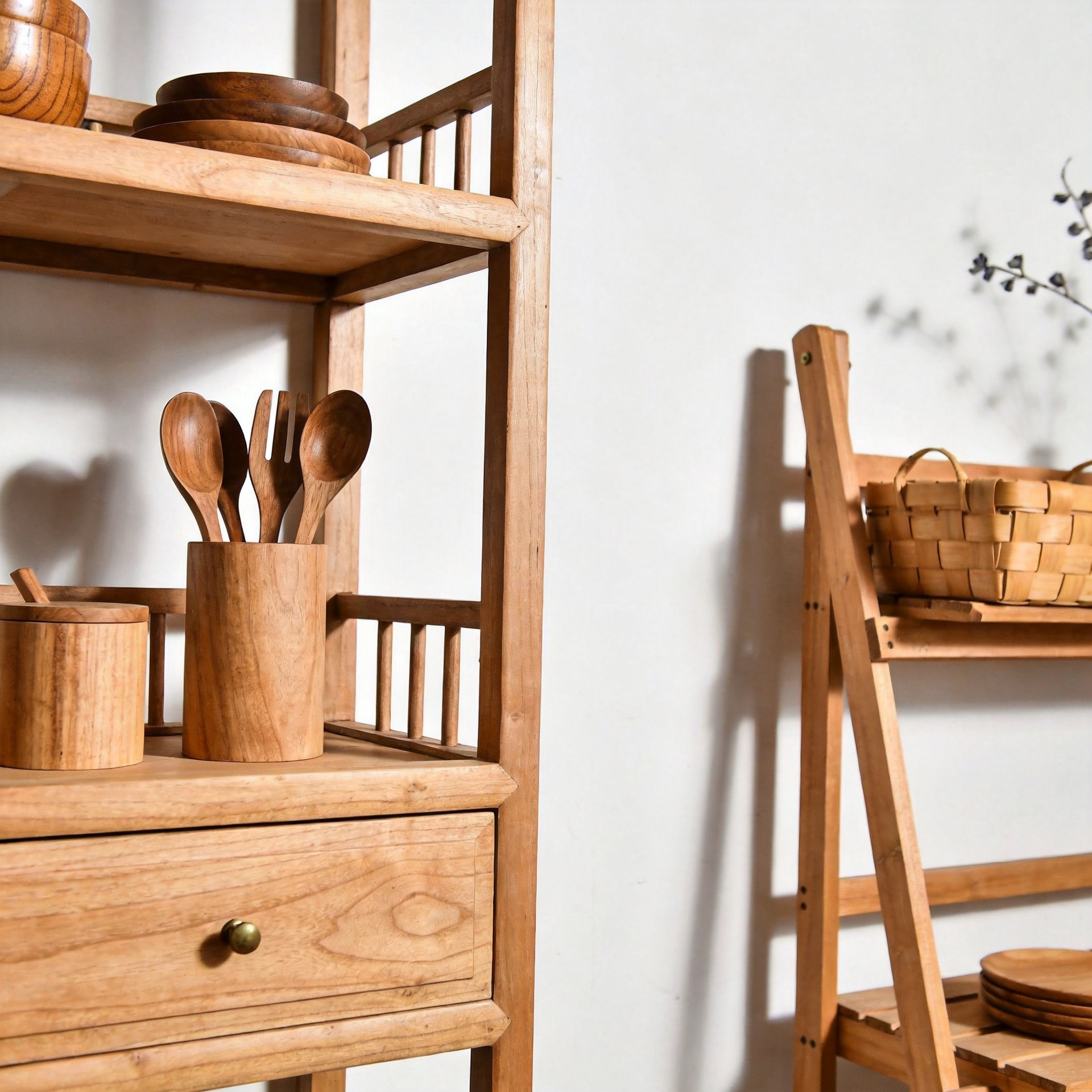
A wooden storage rack can make a crowded room feel calmer, but only when it fits the room, the things you actually own, and the way you live. It is tempting to shop by finish alone. I used to choose storage furniture almost entirely by how it looked in photos; then a shallow unit failed to hold the baskets and books it was meant to organize. The better approach is to treat a wooden storage rack as a small planning project: measure first, define the load, then compare construction and placement.
There is no single correct choice. A slim organization rack can be ideal beside a desk, while a deeper piece of wooden shelving suits a pantry, entryway, or family room. The goal is not to buy the largest wooden storage rack; it is to choose one that earns its footprint every day.
1. Start with the space, not the product photo
Before looking at storage furniture, measure the usable width, height, and depth of the spot. Include baseboards, door swings, radiators, vents, and the room needed to walk comfortably past the rack. For a wooden storage rack placed in an entryway, allow room for bags or shoes to be taken on and off. For a wooden storage rack beside a sofa, check that it will not crowd a side table or block an outlet.
Then measure the objects. Books need more shelf height than folded linens; storage baskets need more depth than small home accessories. A quick paper template or painter’s-tape outline on the floor can reveal whether a wooden storage rack will feel balanced rather than bulky. If you want the rack to disappear visually, choose a narrower profile or a tone close to nearby woodwork. If it will organize a blank wall, a taller design may work better.
2. Match shelf dimensions to your storage job
The right organization rack is defined by what it has to hold. List the categories first: books, pantry jars, children’s bins, plants, towels, shoes, or decorative home accessories. Next, note the tallest, deepest, and heaviest item in each category. This turns a vague search for wooden shelving into a useful checklist.
- For books: look for shelves that are deep enough for the book sizes you own and enough vertical clearance to remove them easily.
- For baskets: confirm interior shelf width and depth, not only the outside dimensions of the wooden storage rack.
- For display: vary the visual weight; leave some open space around framed photos, ceramics, or plants.
- For utility storage: prioritize easy access and a practical shelf layout over a decorative silhouette.
Adjustable wooden shelving can make a wooden storage rack more flexible when the contents will change. Fixed shelves are not automatically worse; they simply need spacing that already suits your intended items. If a listing does not clearly state shelf dimensions or load guidance, ask before treating the rack as heavy-duty storage furniture.
3. Look beyond color: inspect wood, finish, and joinery
Wood is not one uniform material. Grain variation and warm tones can make a wooden storage rack feel more intentional in a room, but appearance alone does not tell you how it was built. I used to assume a natural-looking finish automatically meant better quality. In practice, the finish, the way shelves meet the uprights, and the quality of any hardware matter just as much.
Inspect product information and samples, where possible, for straight shelf edges, consistent finishing, stable feet, and clearly described assembly points. A detail like a well-supported shelf connection is easy to overlook at checkout, but it matters once the wooden storage rack is loaded. For a visible rack, ask whether natural color variation is expected so that you can decide whether a coordinated look or a more uniform appearance is important to you.
Avoid placing a wooden storage rack where it will face persistent splashes, standing water, or direct heat from a vent. Wood responds to changing humidity, so steady indoor conditions and routine dusting are more useful than harsh cleaners. This is not a reason to avoid wood; it is simply a practical boundary when choosing storage furniture for a bathroom, laundry room, or damp basement.

4. Compare stability before styling
A low, wide wooden storage rack is often a straightforward choice for a busy family room. A tall, narrow unit may use vertical space efficiently, but it deserves closer attention to its base, shelf loading, and wall-anchoring instructions. Put heavier objects on lower shelves and lighter home accessories higher up. Do not let a beautifully styled top shelf hide an unstable loading pattern.
If the manufacturer identifies the unit as one that should be anchored, follow those instructions and use fittings appropriate to the wall construction. This is especially important in homes with children or pets. An organization rack should not be selected solely because it is tall or because its shelves look generous in an image; safe use depends on the whole installation and on how it is loaded.
5. Choose a layout that supports daily habits
The most successful wooden storage rack makes frequently used items easy to reach. Keep everyday items between knee and shoulder height, use baskets to contain smaller pieces, and reserve the highest shelf for seasonal objects or display. In a kitchen or dining area, wooden shelving can group serving pieces and linens. In a home office, it can separate reference books from cables and supplies. In an entry, a shallow wooden storage rack can give shoes and grab-and-go items a defined home.
Before buying, imagine a normal Tuesday rather than a perfectly styled photograph. Who will return objects to the rack? Will bins be lifted out often? Does the space need open display, concealed baskets, or a mix of both? Those answers are more valuable than a trend label when selecting storage furniture.
6. Use a final comparison checklist
When two options look similar, compare them against the same questions:
- Does the wooden storage rack fit the measured width, height, and depth?
- Do the shelf dimensions suit the largest items you intend to store?
- Are the shelf supports, finish, feet, and assembly details clearly described?
- Will its location stay reasonably dry and away from direct heat?
- Does the rack have appropriate stability or anchoring guidance for its height and use?
- Will the design still work if your storage needs change next season?
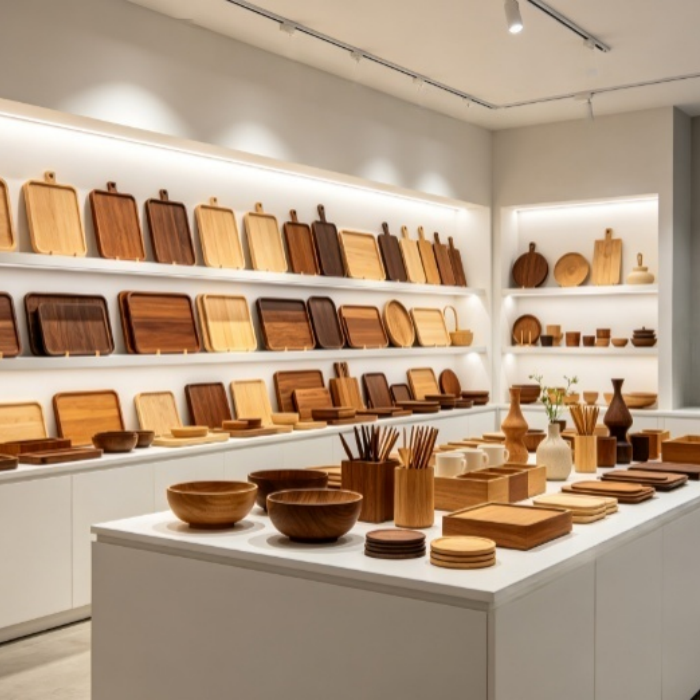
For buyers building a coordinated range, it can also help to work with a supplier whose woodworking capability spans wood storage racks, wooden kitchenware, and wooden furniture. That range does not prove the specifications of any one item, but it can make it easier to discuss a consistent material direction across several home categories.
Make the choice that fits your room
The right wooden storage rack is not necessarily the most elaborate one. It is the one that fits the measurements, carries an appropriate load, complements the room, and is simple for people to use. Focus on shelf size, construction clarity, stability, and real daily habits first. Once those basics are right, the warmth of wooden shelving and well-chosen home accessories can do the enjoyable work of making the space feel finished.