AR

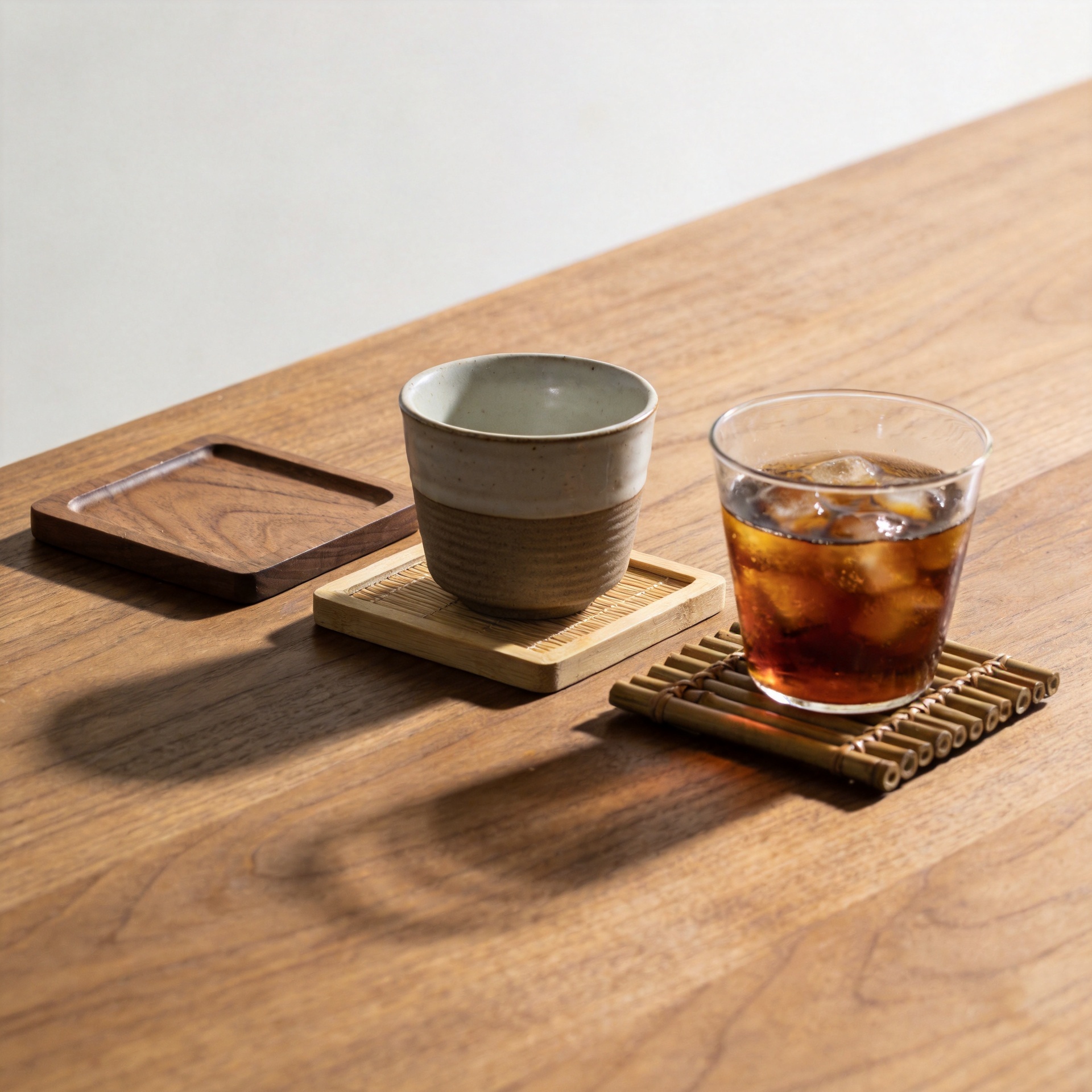
Why Is Wood a Popular Material for Drink Coasters?
Wood earns a place on tables because it solves a small everyday problem without looking like a piece of protective equipment. Wooden coasters soften the visual impact of a glass, help separate condensation from a finished surface, and bring warmth that plastic or metal often cannot. For homes, cafés, gift ranges, and hospitality settings, that combination of function and character is hard to ignore.
There is no universally right coaster material for every setting. A coaster beside a bedside water glass has different demands from one used under iced drinks at a busy bar. Still, when people choose wooden coasters, they are usually responding to a useful mix of natural texture, customization potential, and practical table protection.
Wood feels intentional, not purely utilitarian
Many drink accessories are designed to disappear. Wood does the opposite in a quiet way: grain, tone, and edge profile make each piece feel considered even when it is only a small circle or square on a table. This is one reason wooden coaster sets work so well with natural, rustic, modern, and mixed-material interiors. They can look casual with a morning coffee yet polished enough for a dinner table.
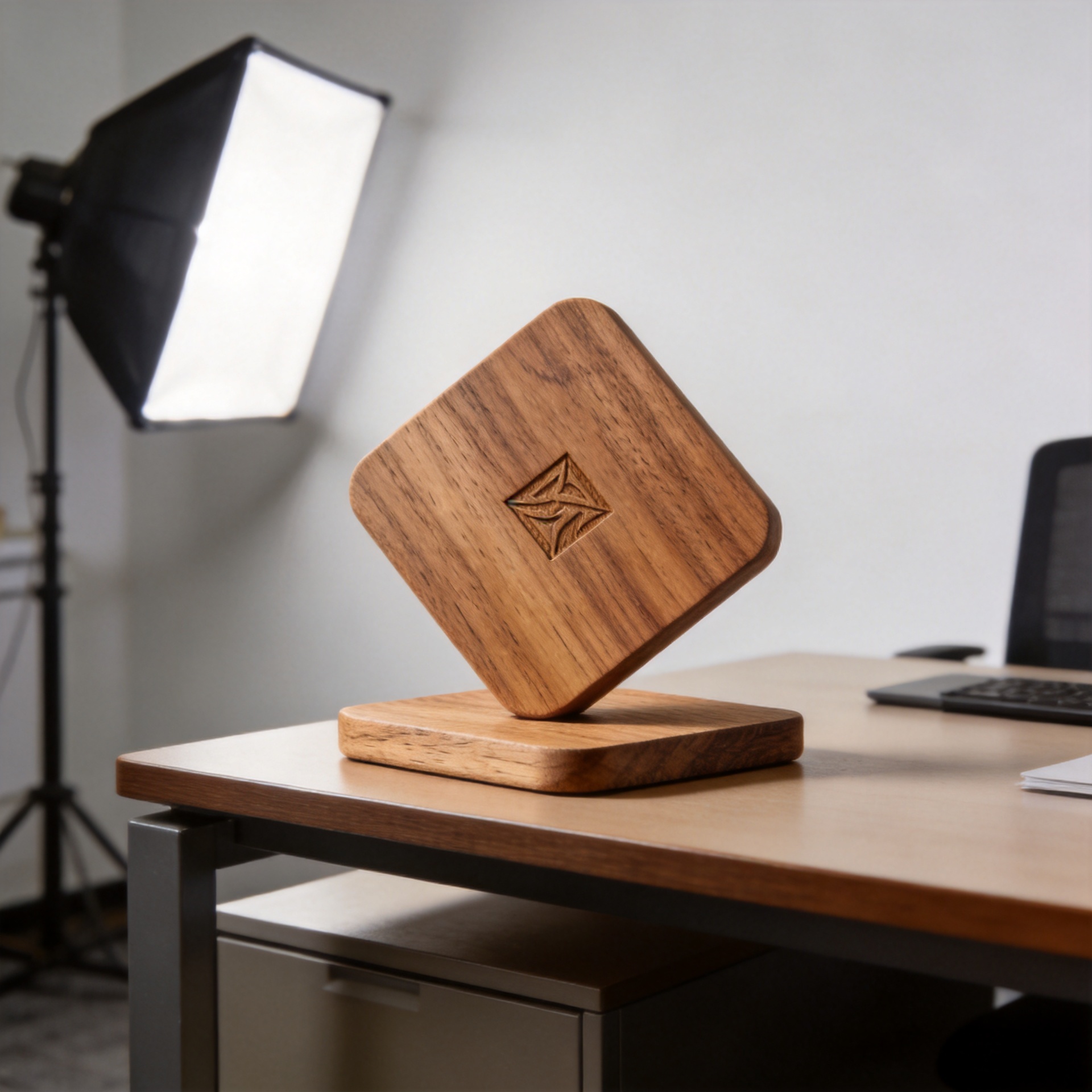
That visual flexibility also supports personalization. A logo, initial, date, or simple pattern can be engraved into wooden coasters without requiring a separate decorative layer. The result is useful for wedding favors, corporate gifts, retail sets, or branded hospitality drink accessories. Importantly, personalization should not be the only reason to choose wood; the underlying blank still needs a stable shape, a smooth finish, and a base that sits flat.
Wood coaster materials offer a practical balance of feel and performance
The strongest appeal of wood coaster materials is not that wood is waterproof. It is not. Wood is hygroscopic, meaning it exchanges moisture with the surrounding environment, and a coaster that is repeatedly soaked or left under standing water can stain, swell, or warp. But for normal drink service, a properly made and properly finished wooden coaster creates a useful buffer between a cold glass and the tabletop.
In actual use, base flatness matters more than many specifications suggest. A coaster that rocks can let a glass tip or allow condensation to escape at the edges. A good design also considers thickness, sanded edges, and a protective underside such as cork, felt, or non-marking pads. Those construction choices can matter as much as the species named on the label.
Wood also has a less clinical feel than hard stone or metal. It is warmer to the touch and less likely to make a sharp clink when a glass is set down. That may sound minor, but it changes the experience of everyday drink accessories, especially on a dining table or desk used throughout the day.
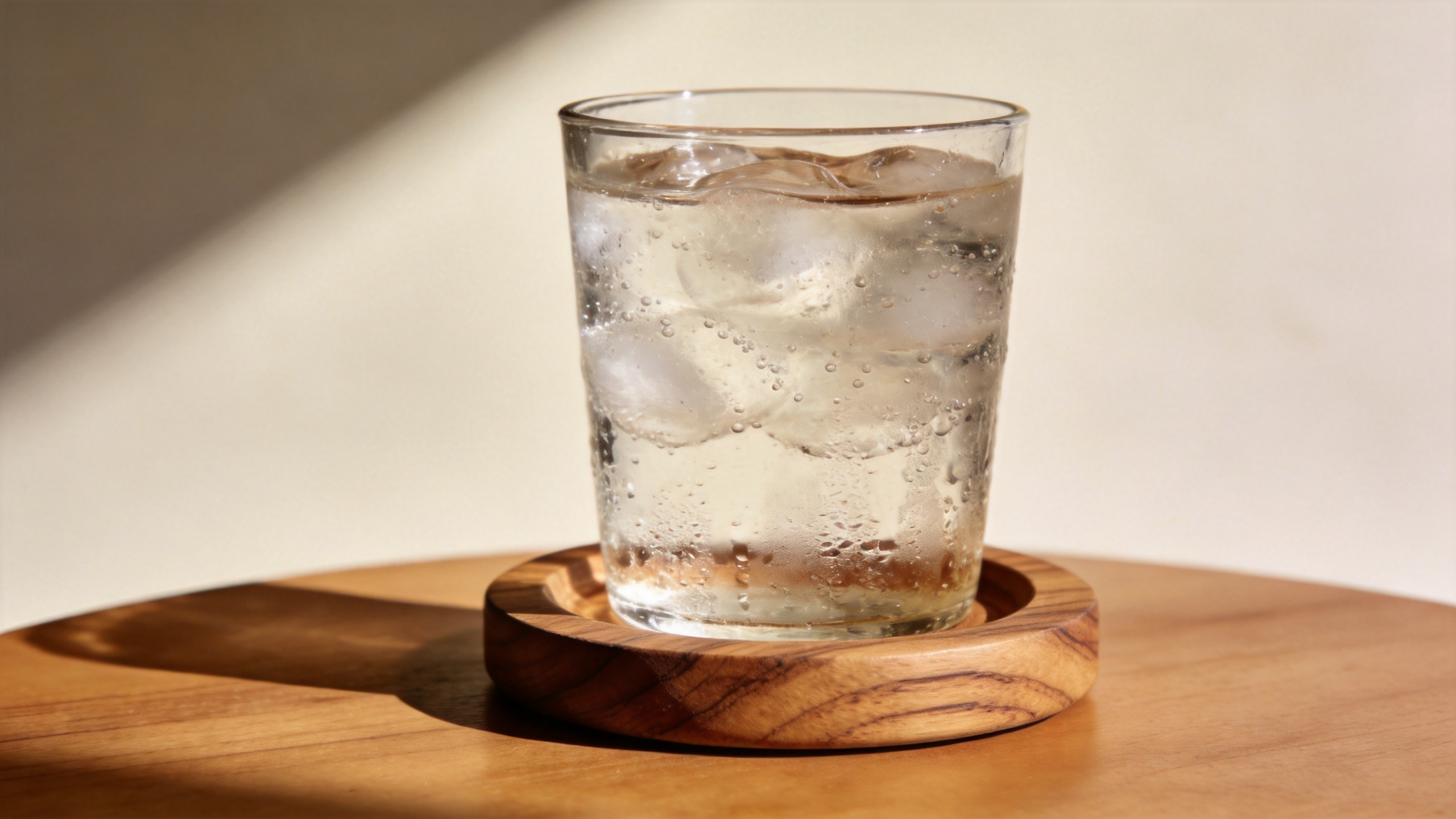
Why an acacia coaster is a frequent choice
An acacia coaster is popular because acacia is commonly valued for its dense feel, visible grain, and warm color variation. Those characteristics can make a simple coaster look substantial without excessive decoration. Searchable material references often describe acacia as a hard, dense hardwood, though exact hardness varies by species, moisture content, and test method. For coaster buyers, the practical takeaway is modest: a denser species can be a sensible starting point for a surface that sees frequent glass contact and handling.
Acacia should not be treated as maintenance-free. The finish and drying process remain important. I used to assume that a natural hardwood name automatically meant a better product; in practice, sealing and finishing are equally important. A well-applied finish can help a coaster handle ordinary condensation, while poor sanding or uneven sealing can leave it looking tired quickly.
Natural variation is part of the appeal of an acacia coaster. If a buyer needs a perfectly matched color across a large display, that variation may require grading and clear expectations. If the goal is a warm, individual look, the same variation can be a strength.
How does a bamboo coaster compare?
A bamboo coaster often appeals to buyers looking for a light, clean-lined alternative. Bamboo is technically a grass rather than a hardwood, and many bamboo coaster products are laminated or engineered from strips. That construction can produce a consistent appearance and a crisp contemporary look. It can also make it easier to create uniform sets.
However, “bamboo” alone does not predict performance. Adhesive quality, lamination, surface finish, and exposure to standing moisture all matter. A bamboo coaster can be a sensible option for a streamlined aesthetic, but it should still be wiped dry after spills and should not be treated as dishwasher-safe unless the manufacturer has specifically verified that use. The same care principle applies to most wooden coasters: wipe, air-dry, and avoid soaking.
Wood helps turn protection into a design detail
Coasters are small, but they sit in a highly visible place: directly beneath a drink. Wood lets that protective function contribute to the atmosphere of a space. It pairs naturally with ceramic mugs, clear glassware, stoneware, and metal bar tools, and it can bridge a table setting that might otherwise feel overly uniform.
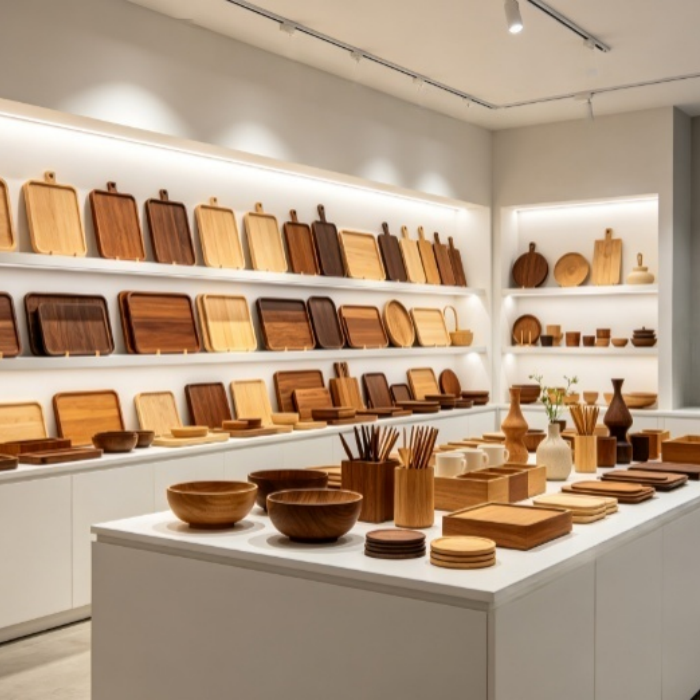
For retailers and buyers, that makes wooden coasters more than an add-on. A well-designed set can be bundled with mugs, carafes, serving trays, or other drink accessories. It can also offer an accessible entry point into a wider natural-material collection. The material story is easy to explain, but the product still benefits from honest details about grain variation, finish, care, and any verified sourcing documentation.
What to check before choosing wooden coasters
- Surface finish: Ask whether the top is sealed evenly and whether the finish is intended for normal condensation exposure.
- Bottom protection: Look for felt, cork, or another non-marking layer if the coaster will sit on delicate furniture.
- Flatness: Place it on a level surface and check that it does not rock under a glass.
- Material expectations: Choose an acacia coaster for pronounced grain and weight, or a bamboo coaster for a more uniform, lighter look.
- Care instructions: Prefer clear guidance to hand-wipe, dry promptly, and avoid prolonged soaking or dishwasher cycles.
- Claim support: If environmental or food-contact claims matter, request the relevant documentation rather than assuming a wood species proves them.
The lasting appeal of wooden coasters
Wooden coasters remain popular because they make a practical task feel more personal. They protect a table from everyday moisture, add texture where a setting needs warmth, and offer room for species choice, engraving, and design variation. Whether the preference is for an acacia coaster with expressive grain or a bamboo coaster with a cleaner, more uniform appearance, the right choice comes down to construction and intended use—not just the word “wood” on the package.
For regular use, choose a stable, well-finished piece, wipe it dry after spills, and let the material bring a natural, useful detail to the table.